Mauna Kea + Mauna Loa
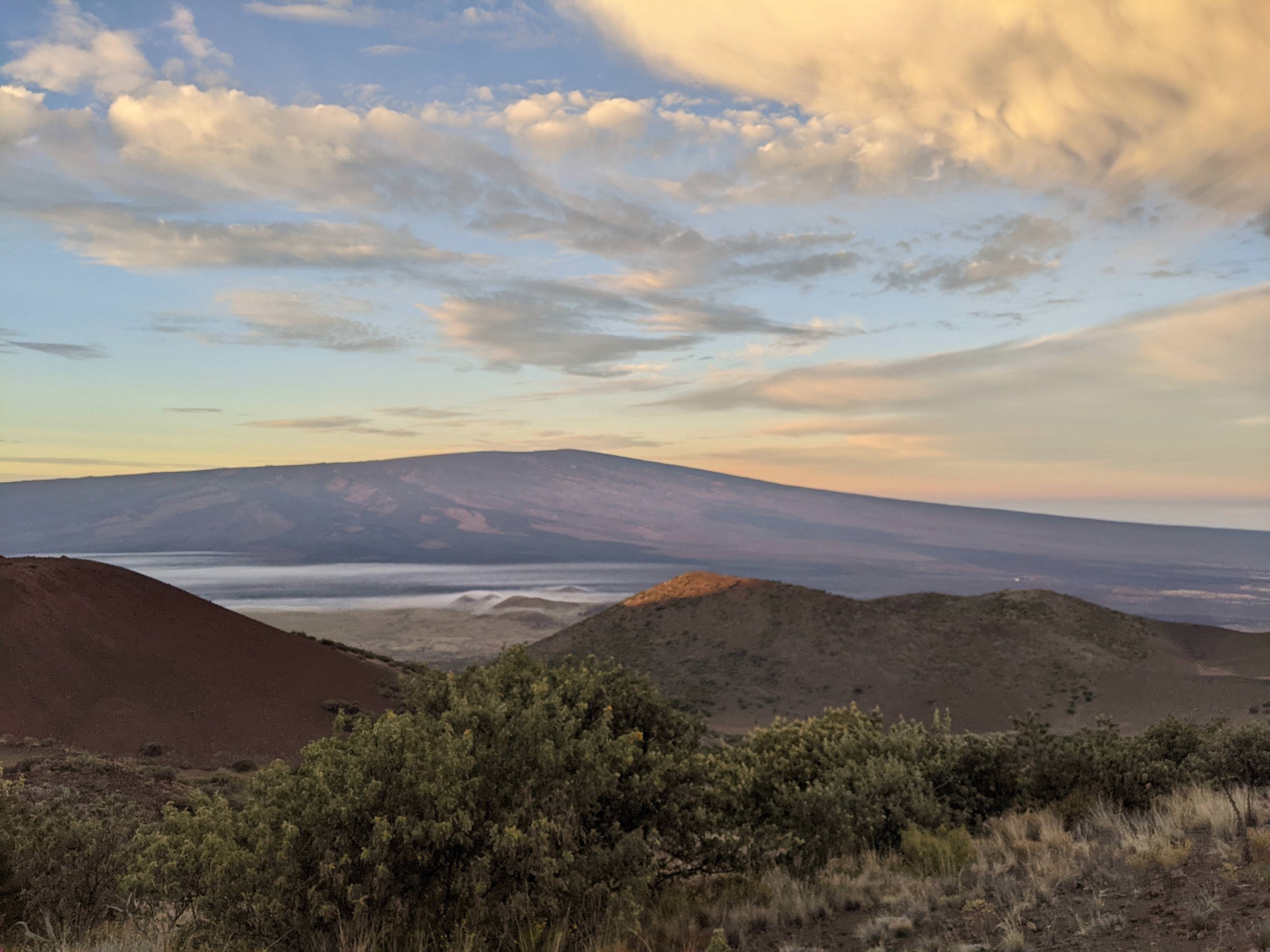
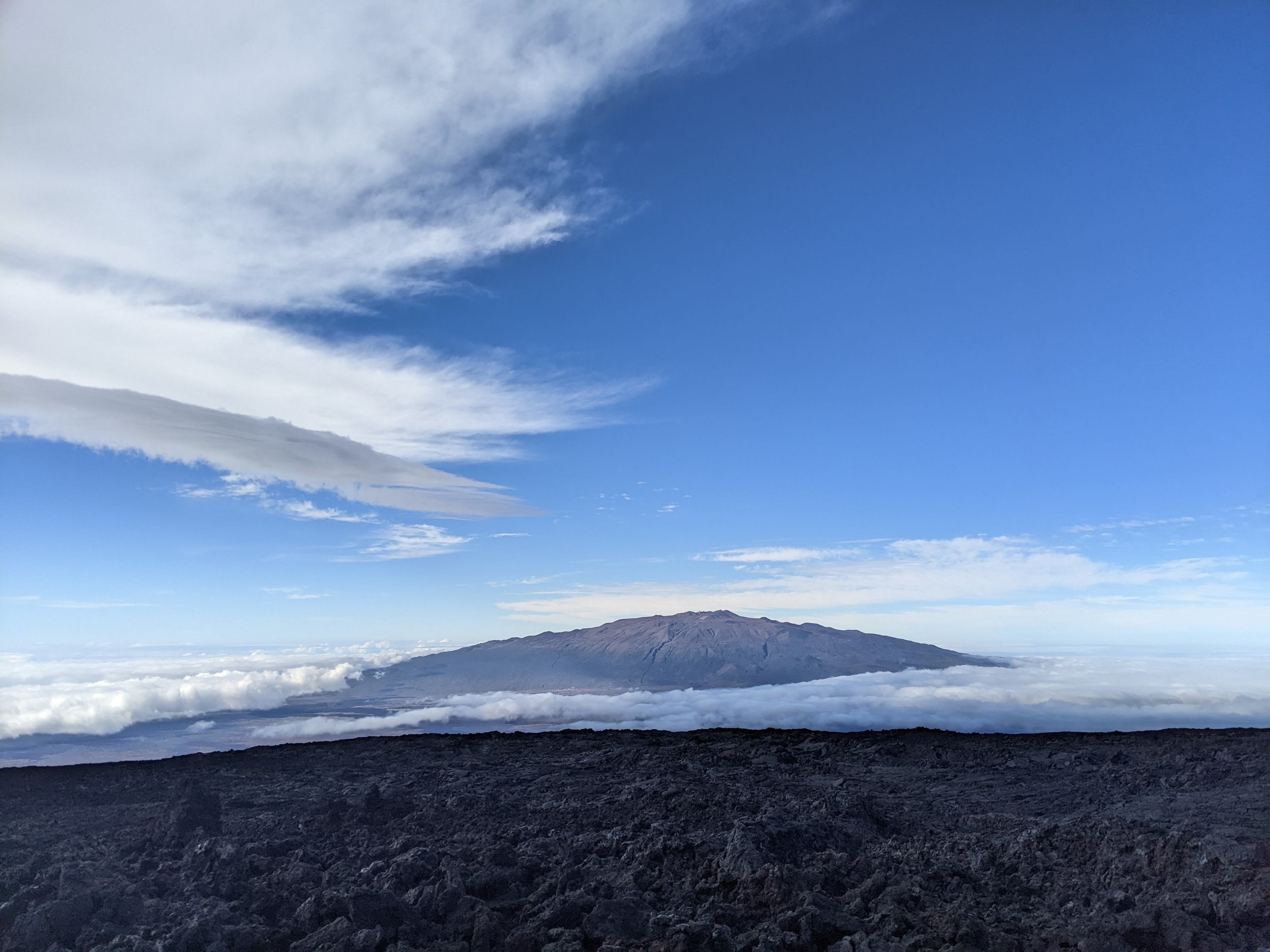
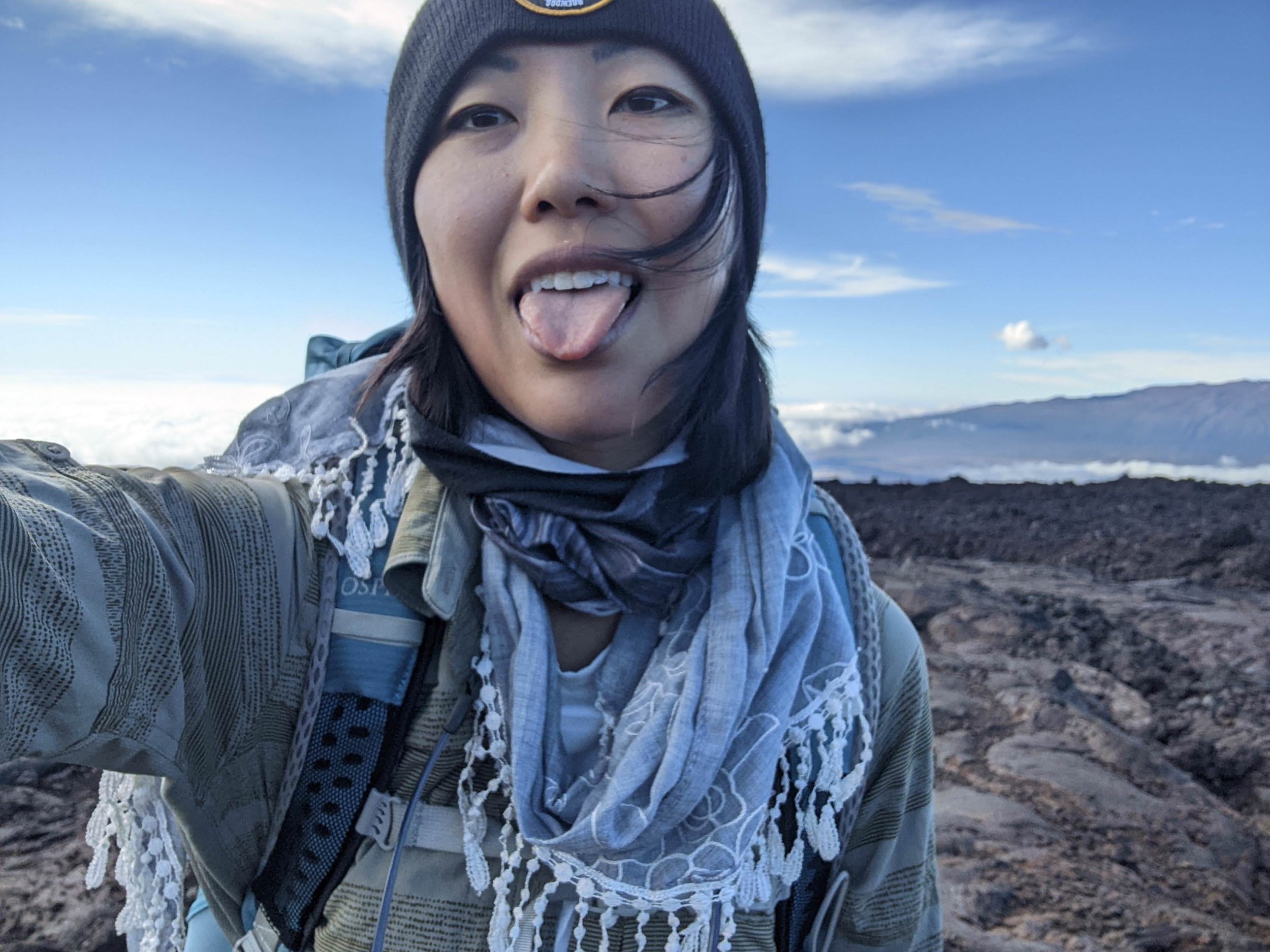
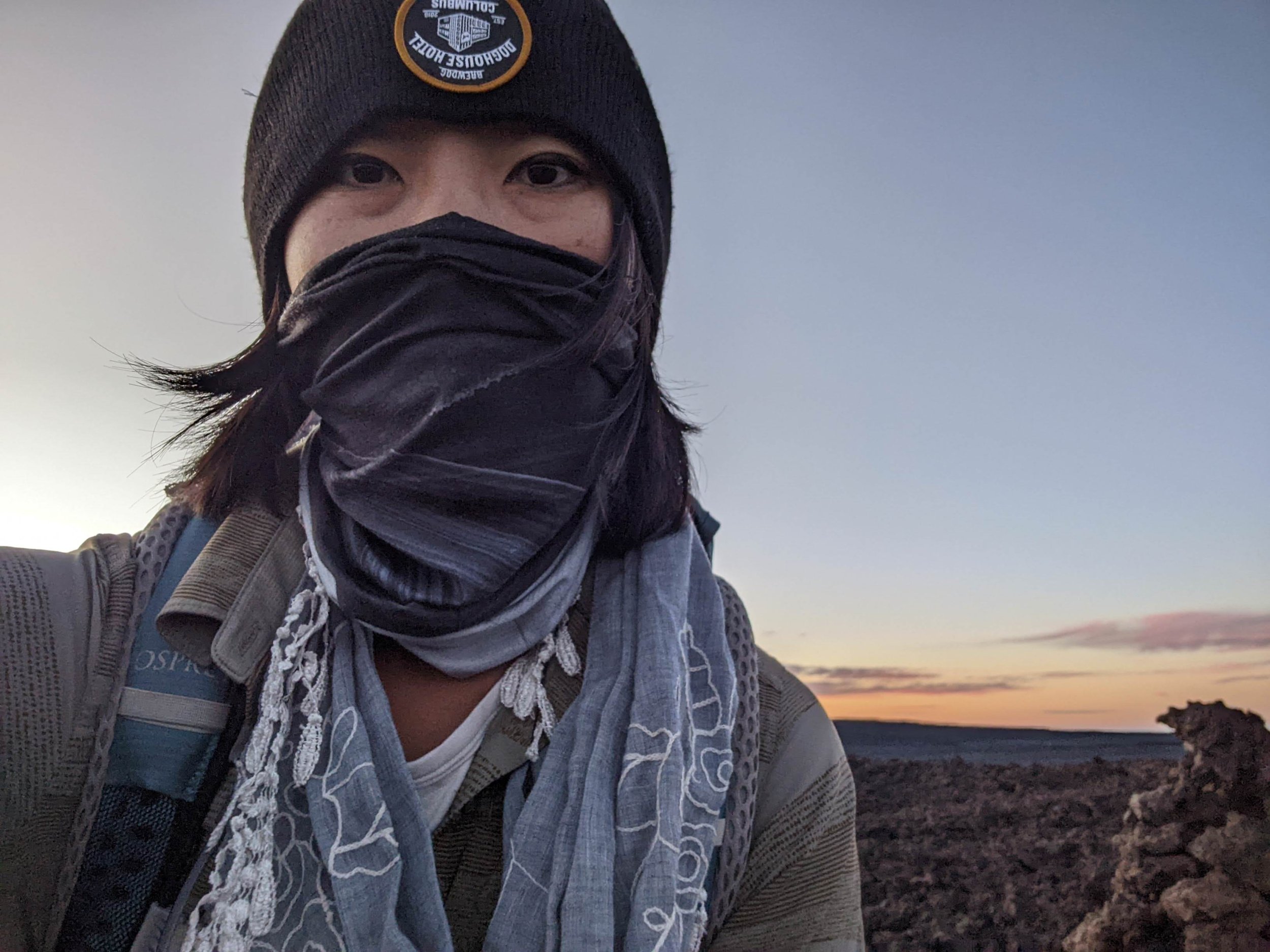
The moment I learned about Mauna Kea—a dormant volcano on the island of Hawaiʻi rising 13,803ft above sea level—I knew I had to climb it. As the highest point in the state and the second-highest island peak on Earth, it stands just 125ft taller than its massive neighbor, Mauna Loa. Originally, I posted in a local hiking group with a modest plan: climb the two giants on back-to-back days. Then, a Big Island local and PCT thru-hiker named "Bridges" saw my post. He threw out a wild counter-proposal: Why not hike both in a single day? As far as he knew, it had never been done. The stakes were high. I had never climbed two 13ers in one day, nor had I ever gone straight from sea level to high altitude without acclimatizing at the trailhead. Having suffered from altitude sickness in the past, I packed Diamox just in case. I prepped two separate setups—a nimble daypack for Mauna Kea and a heavier overnight pack for the Mauna Loa summit cabin—and went to sleep at 10 PM.
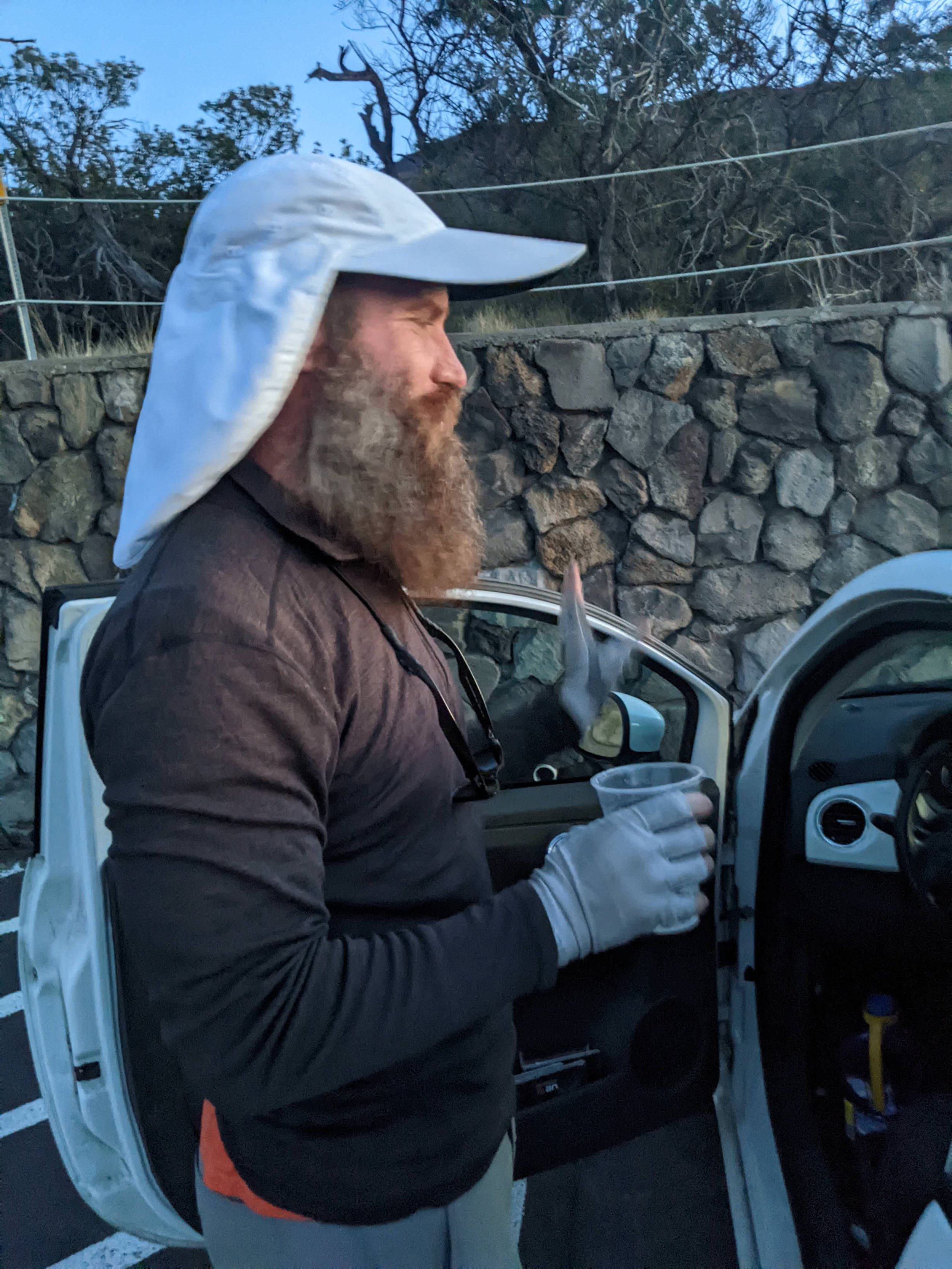
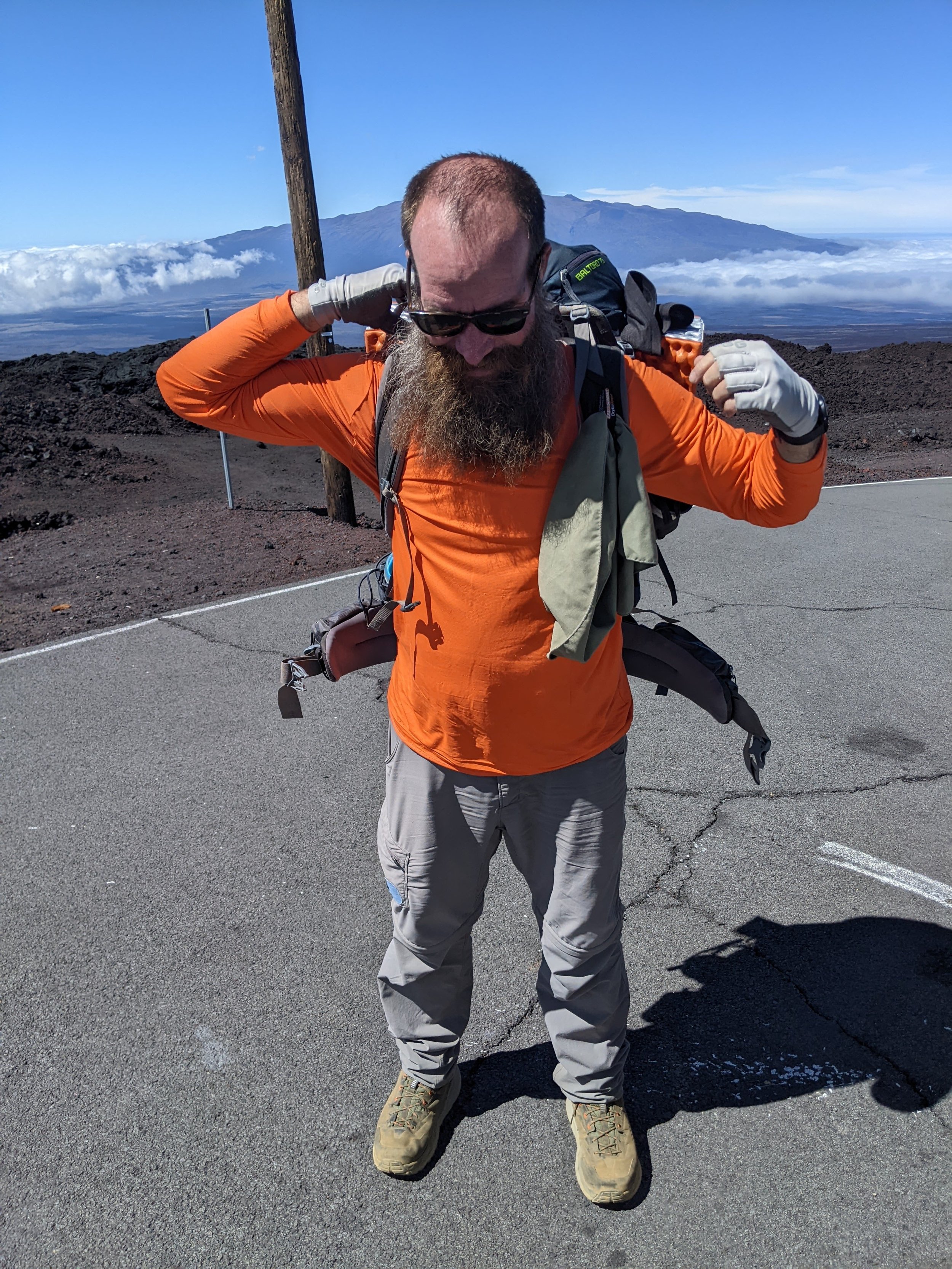
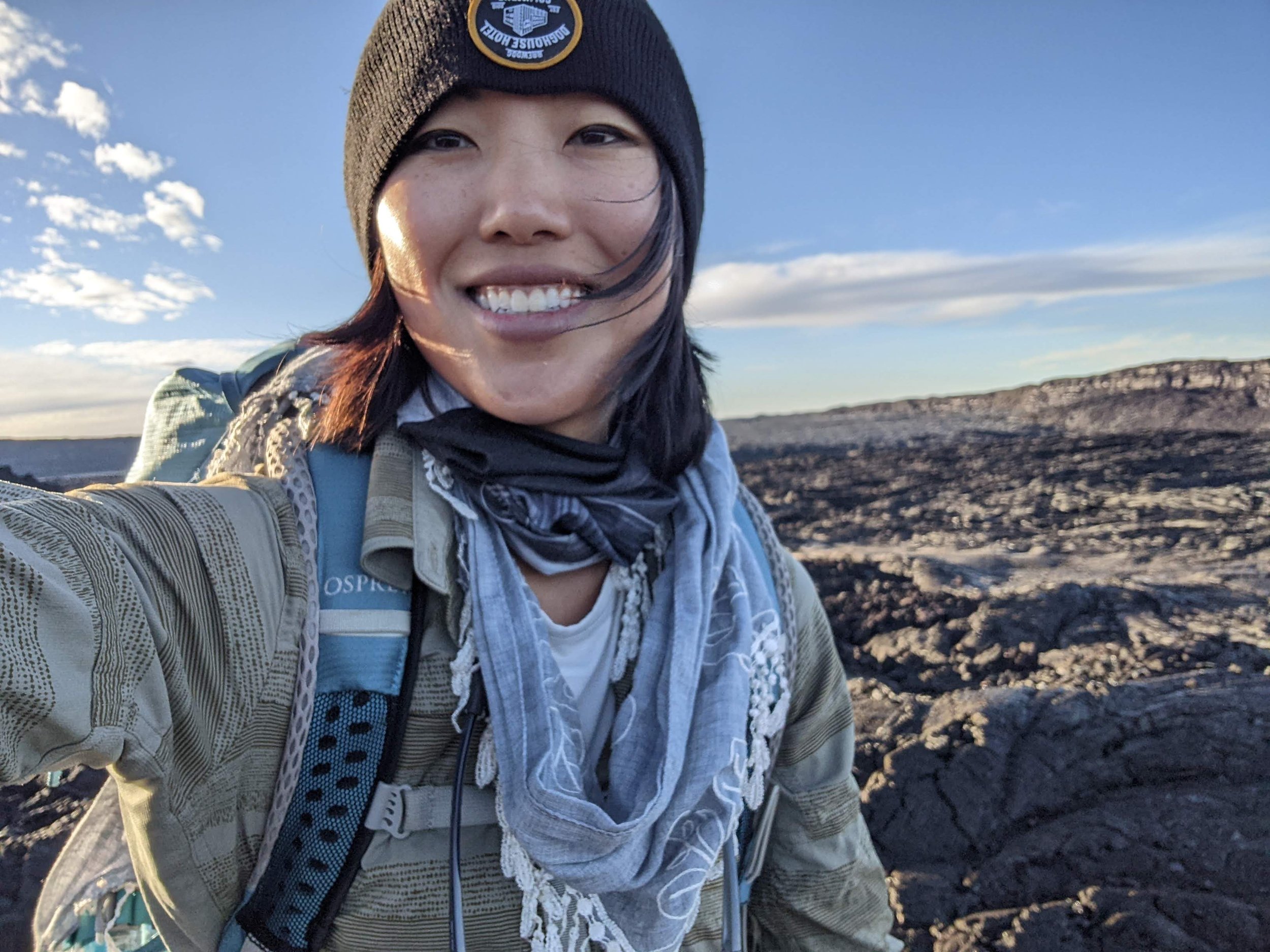
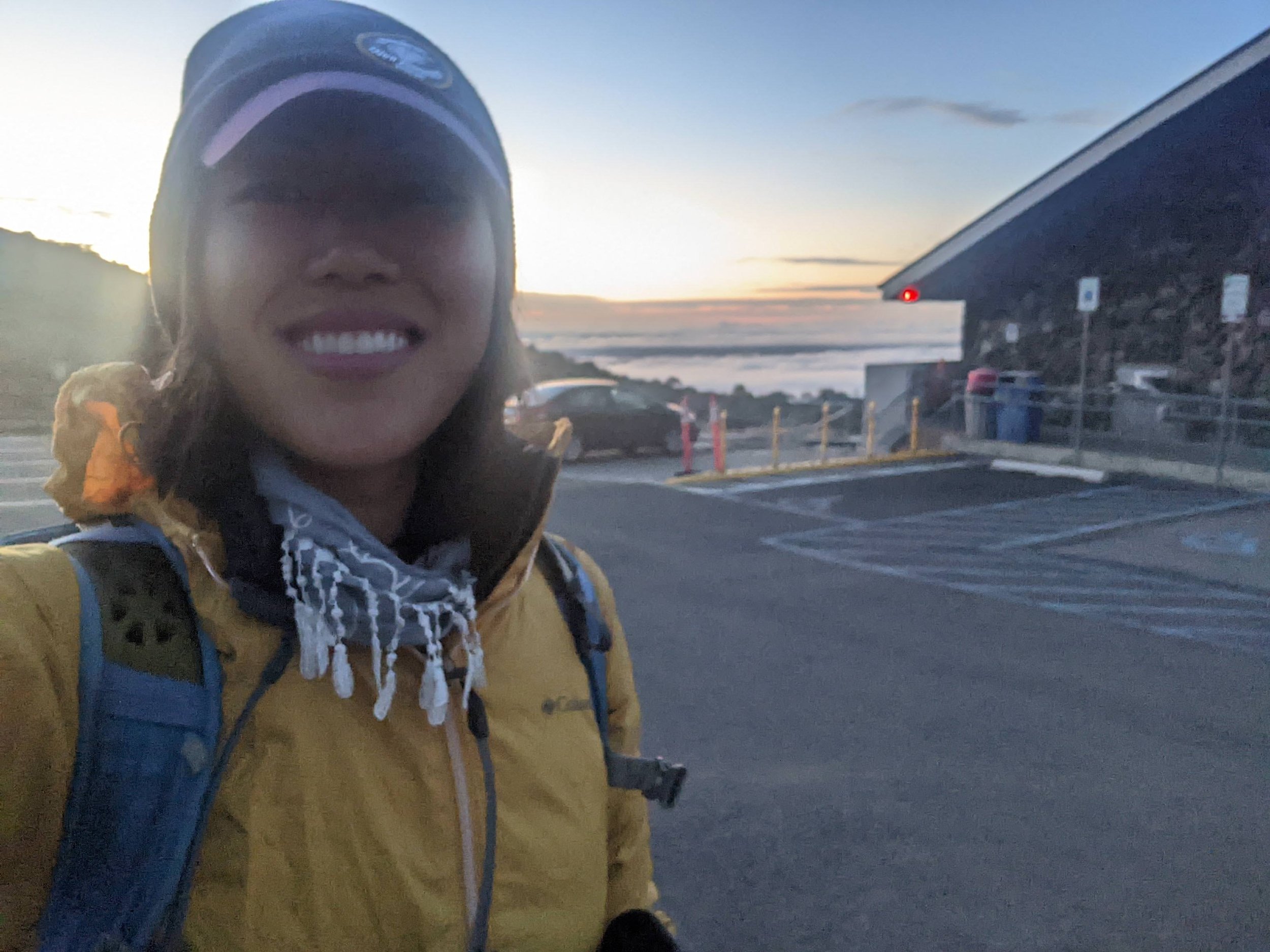
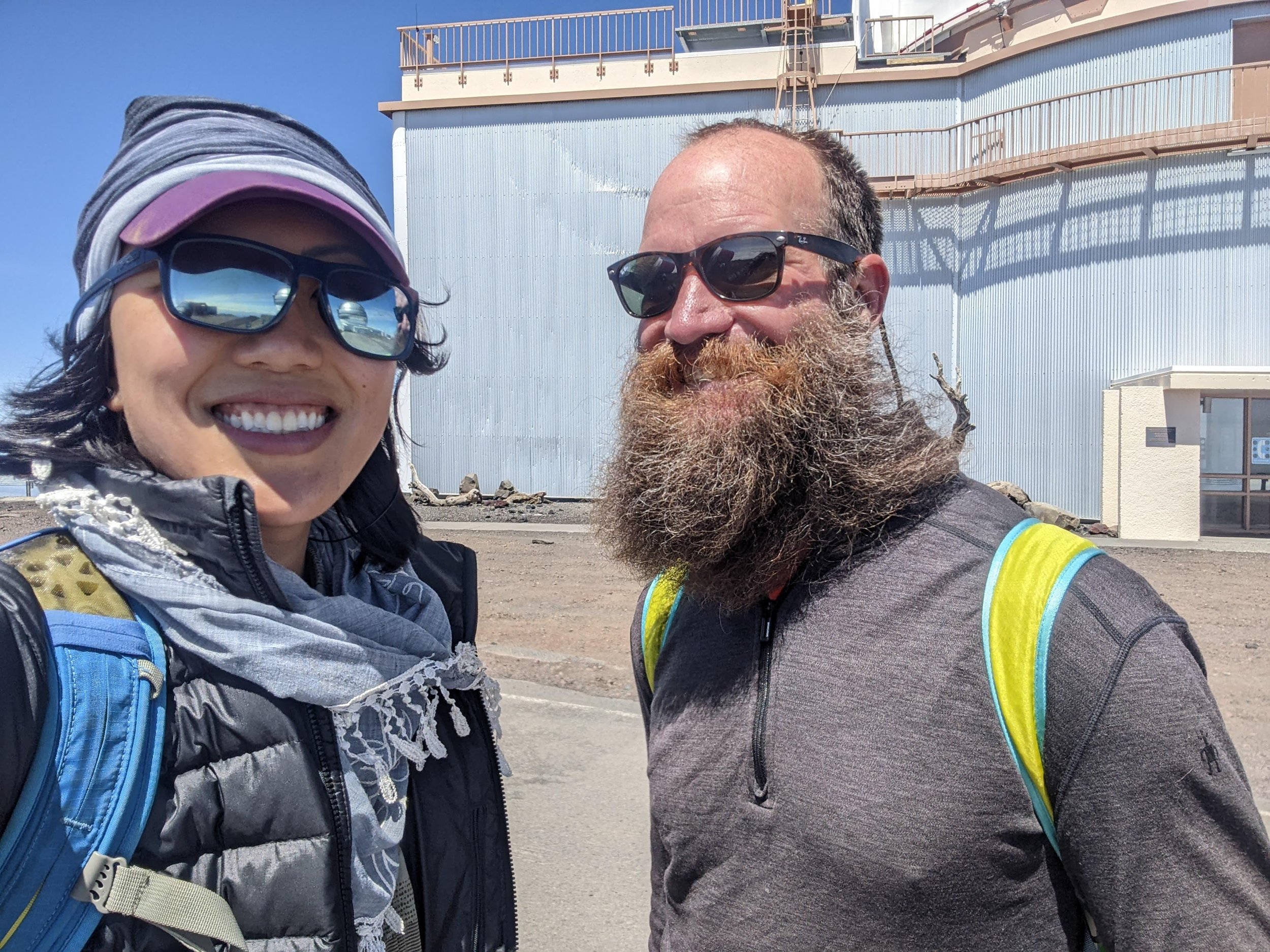
At 4 AM, my new partner-in-climb pulled up. To my surprise, this bearded thru-hiker was driving a tiny Fiat 500. Within the first two minutes of chatting, any lingering nerves vanished; I knew everything was going to be okay.
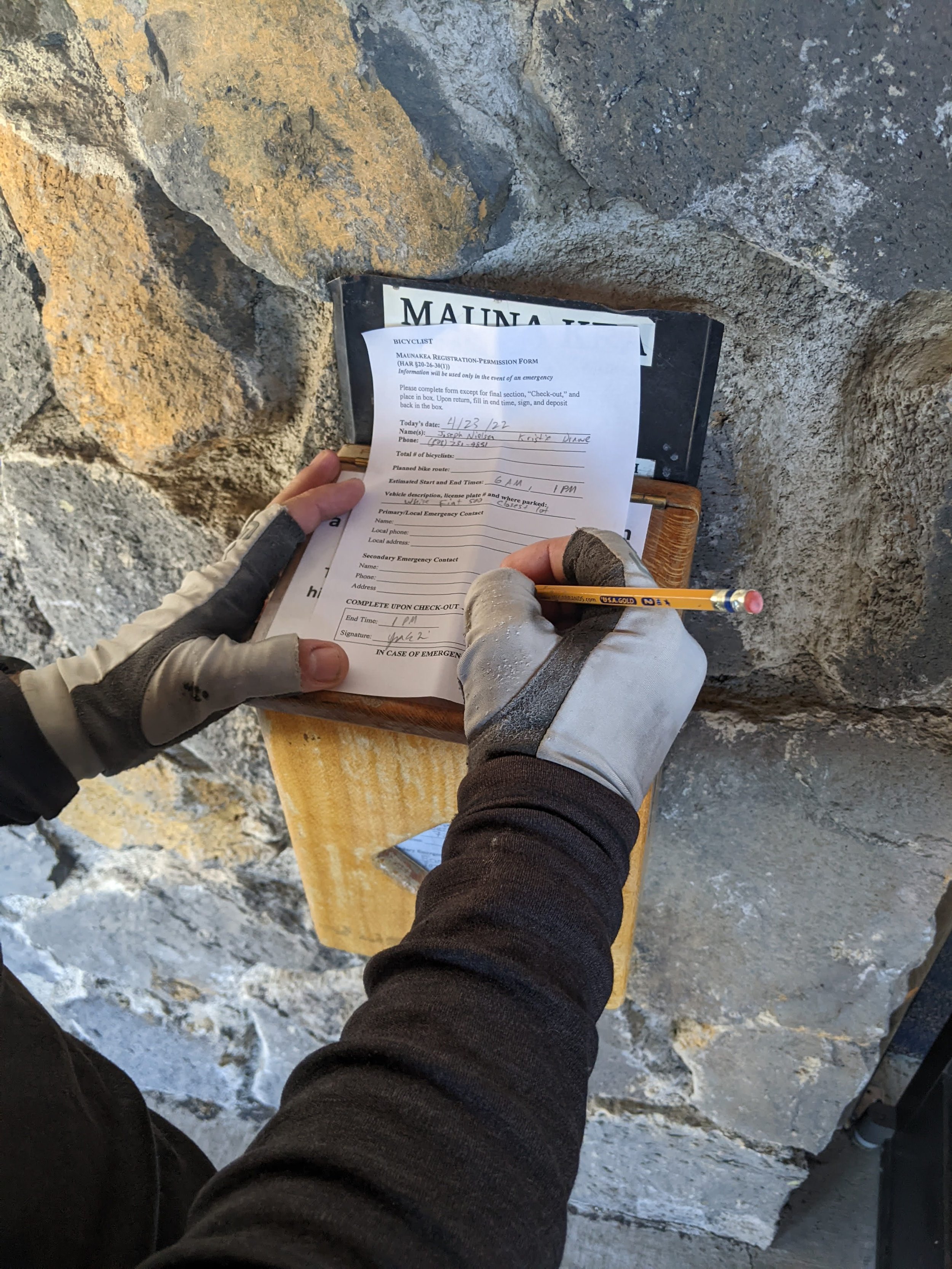
📌 The Mauna Kea Safety Log
Cost: Free
Permit Required? No advanced reservation needed.
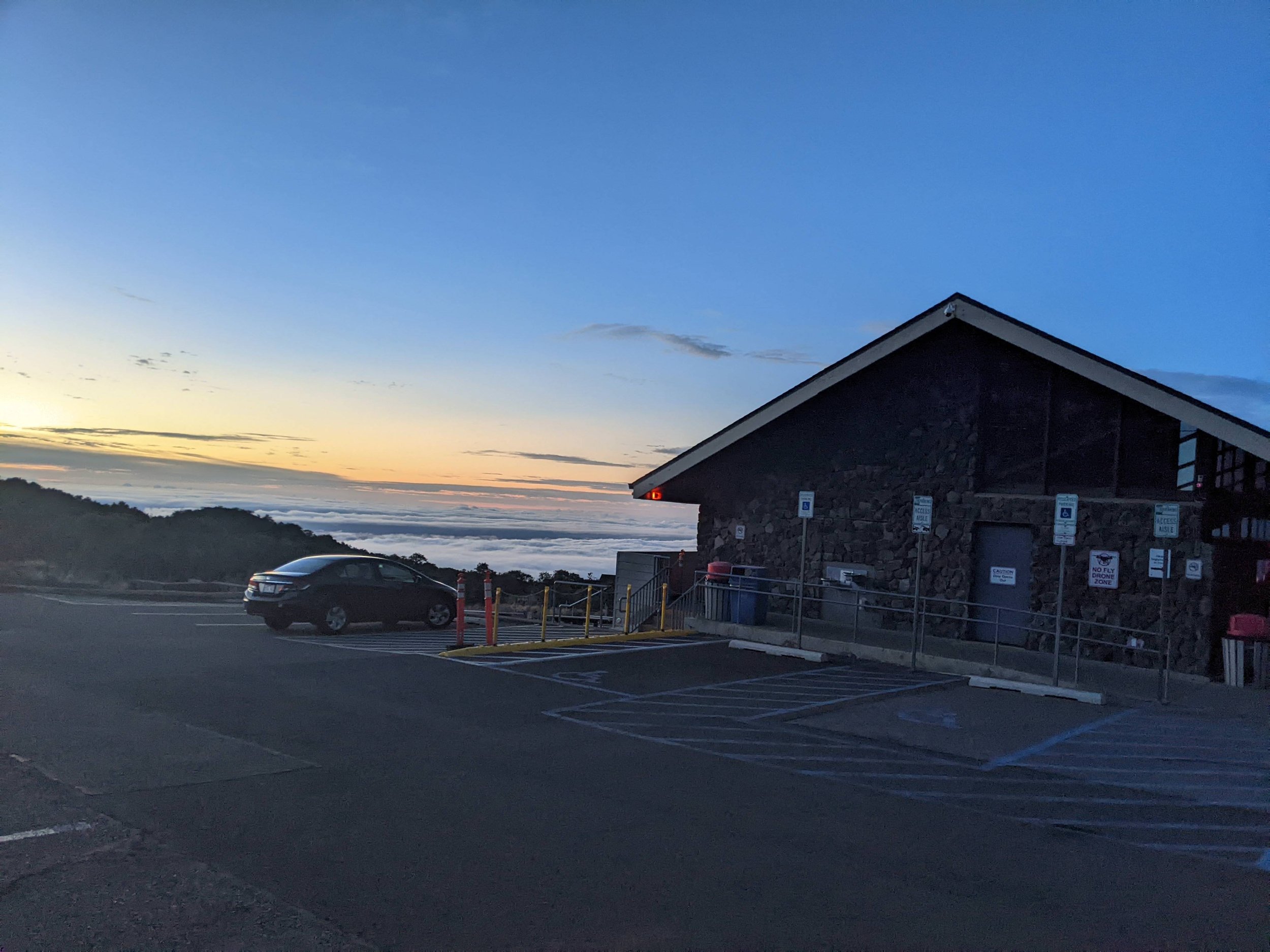
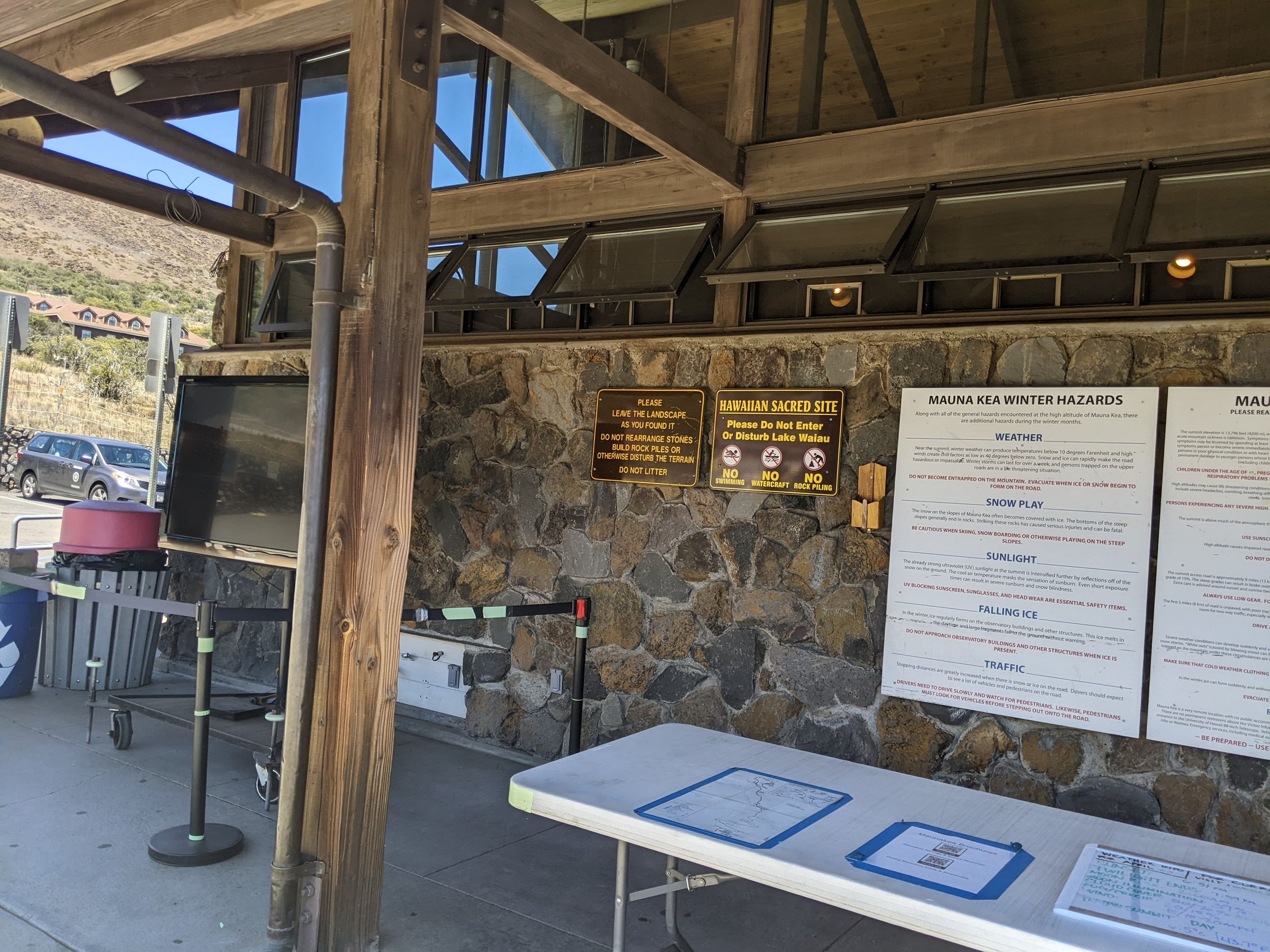
The Process: You must fill out a physical Hiker/Biker Registration Form at the Onizuka Visitor Information Station (VIS) before starting your ascent.
What you need: Just basic info—your group size, vehicle description/license plate, emergency contact, and your estimated return time.
Don't Forget: This is a safety protocol managed by the rangers. You must check back out at the station as soon as you finish your hike so they don't trigger an accidental search and rescue.
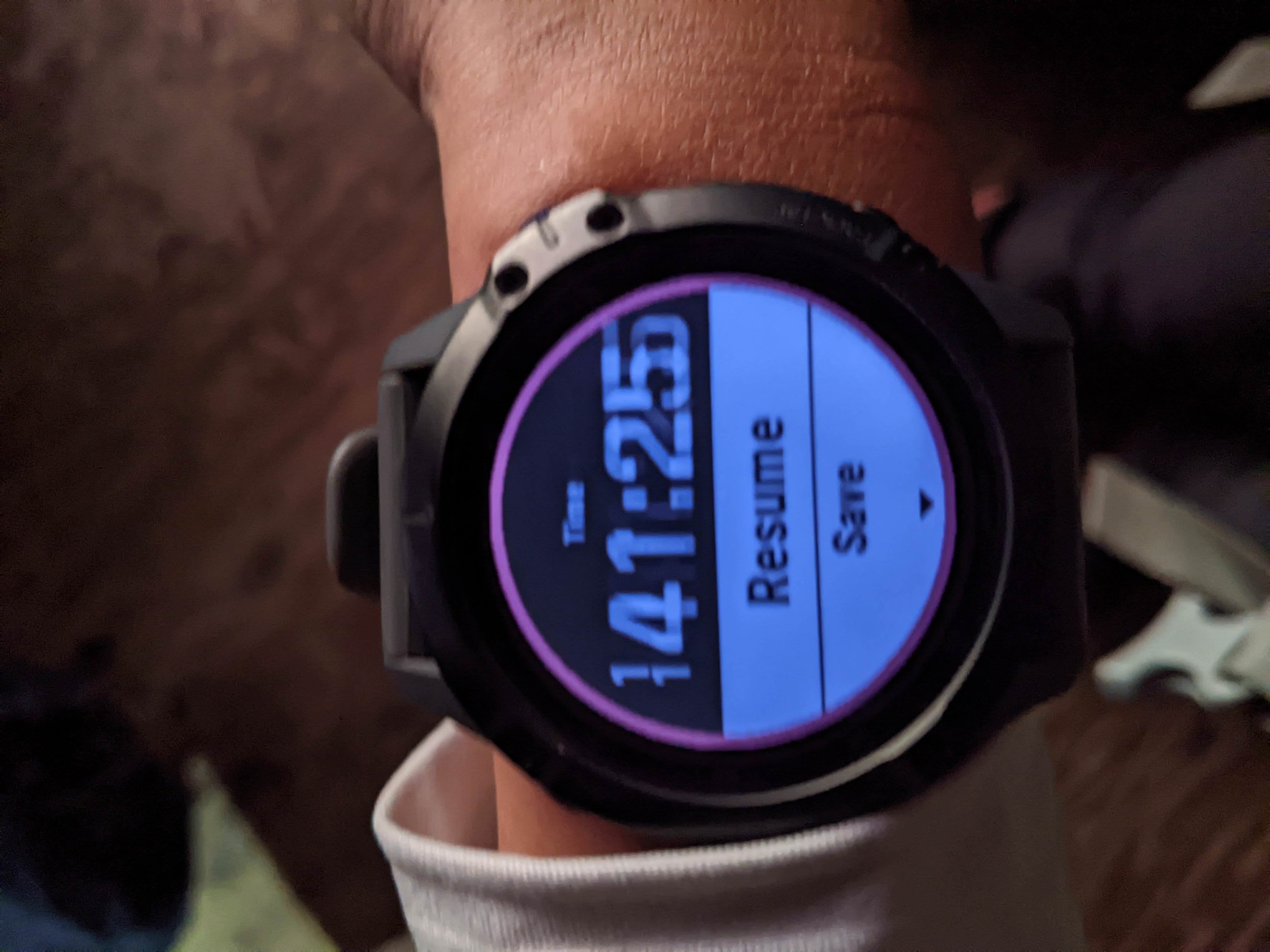
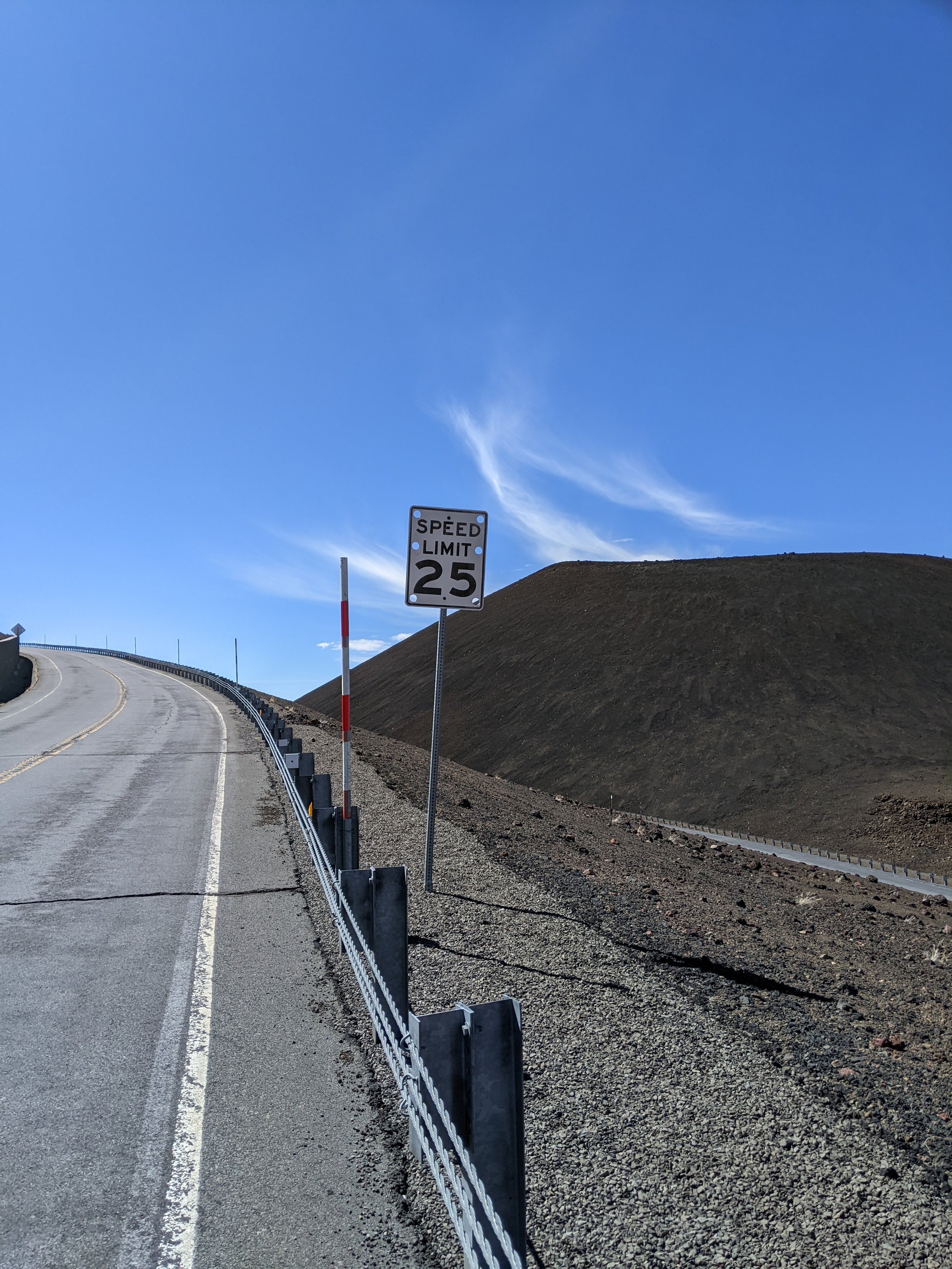
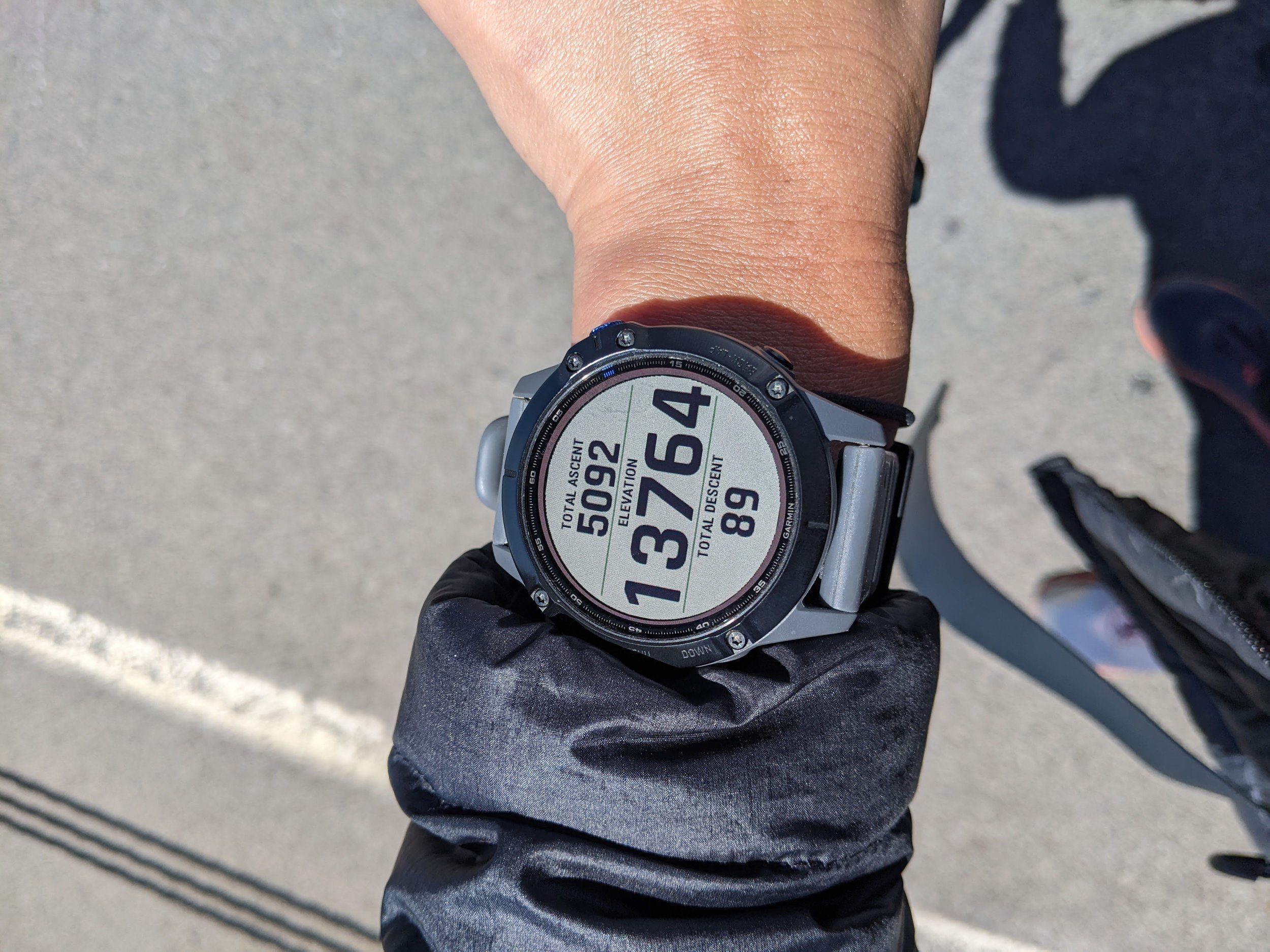
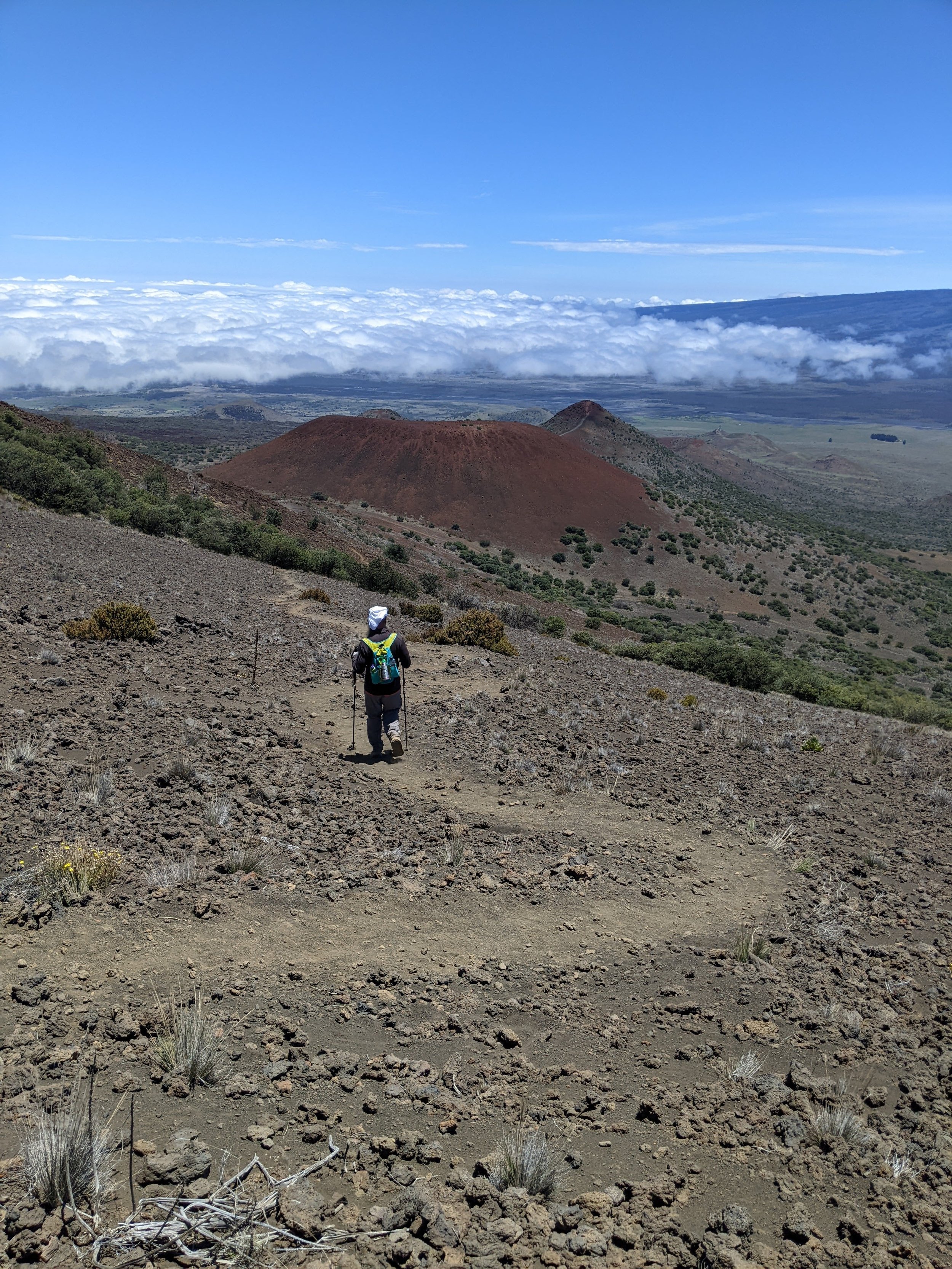
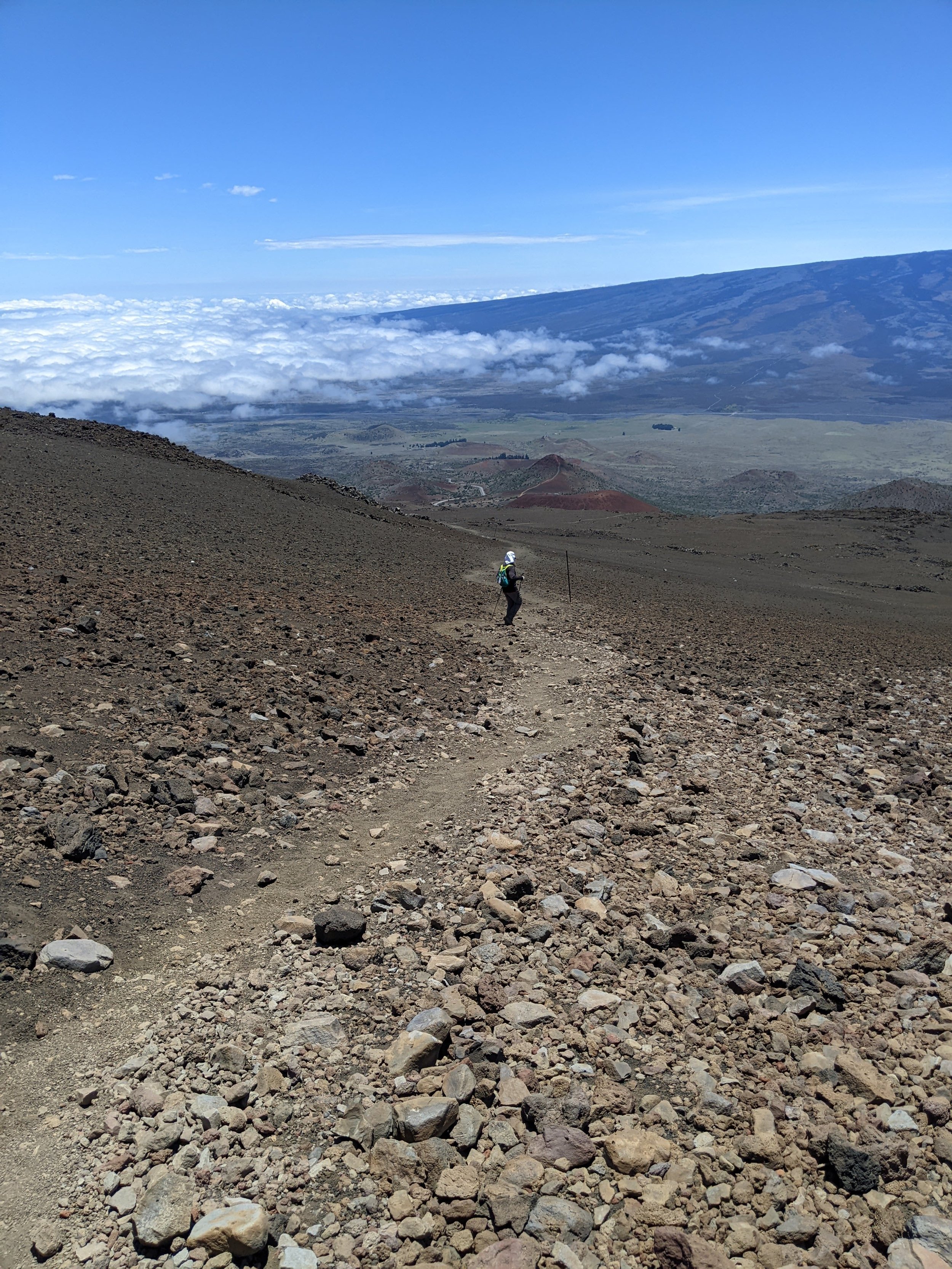
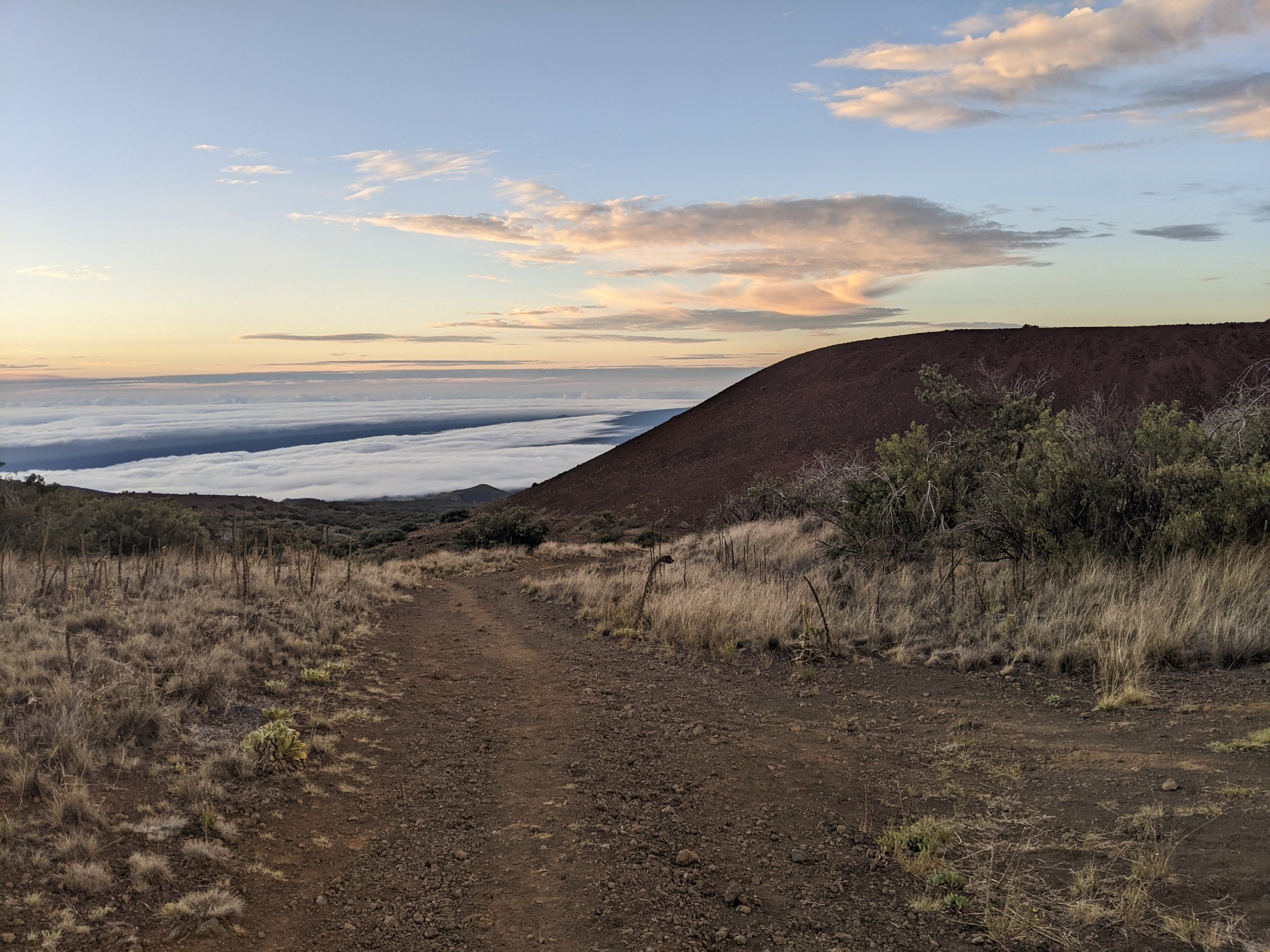
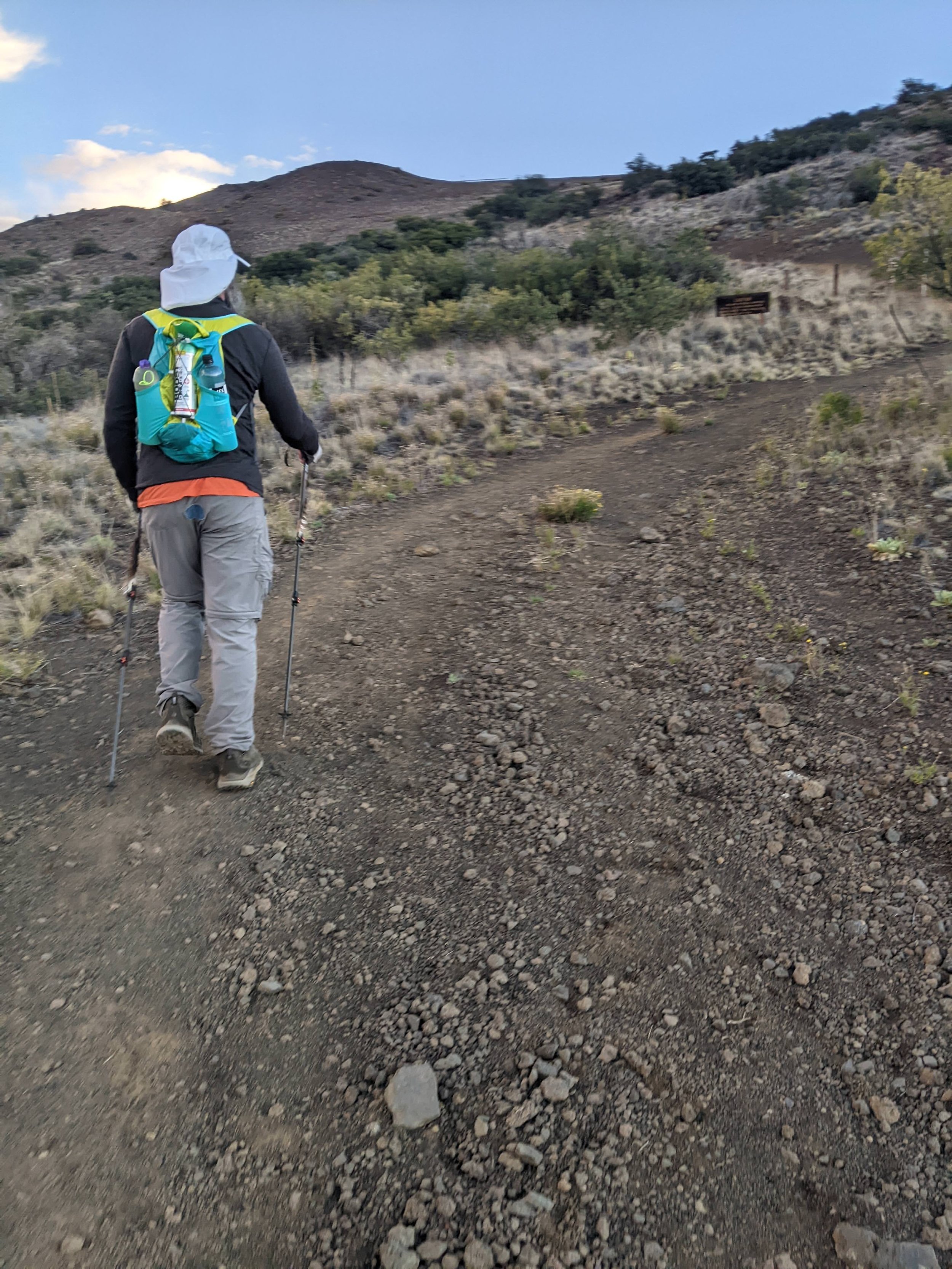
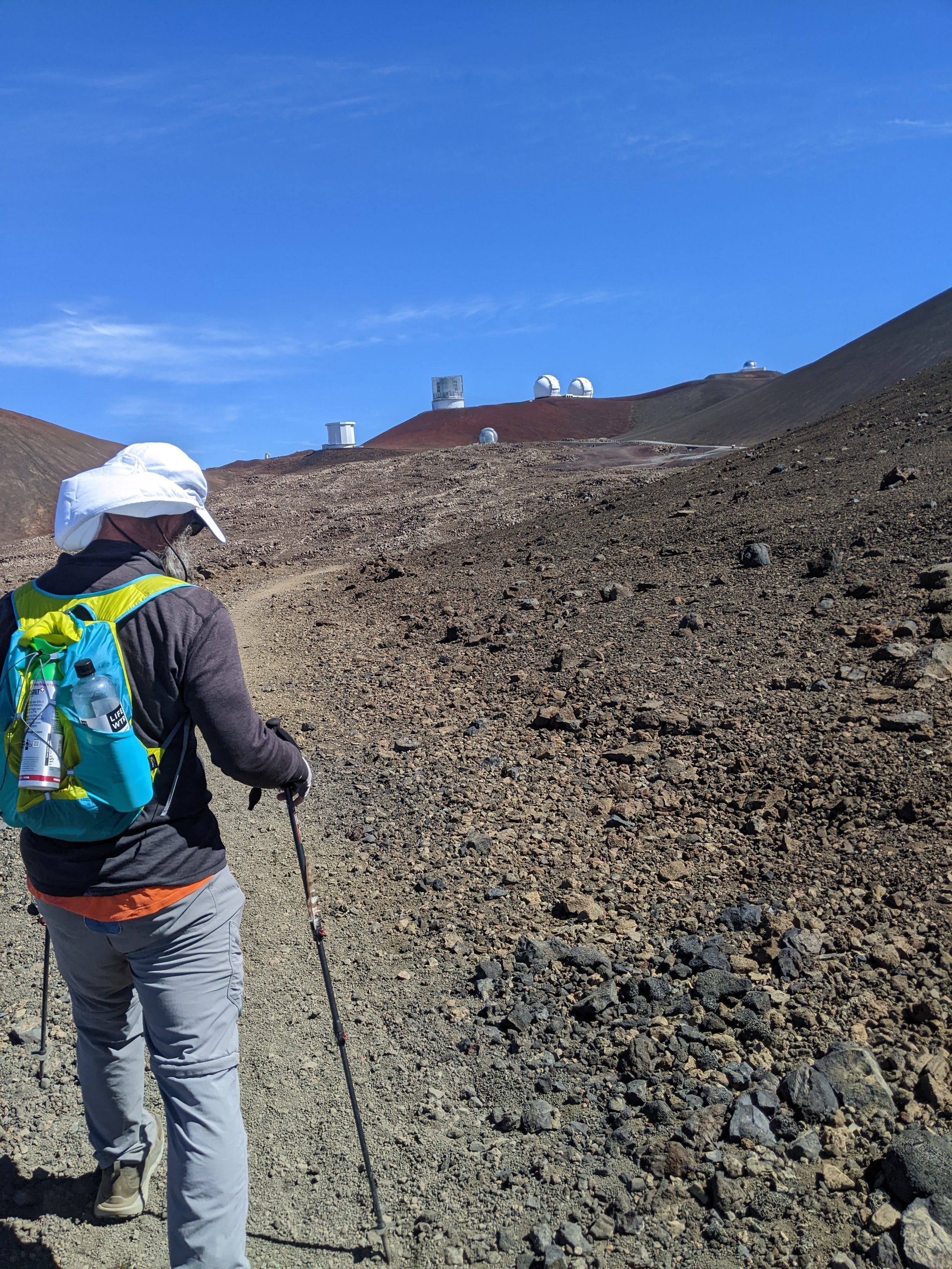
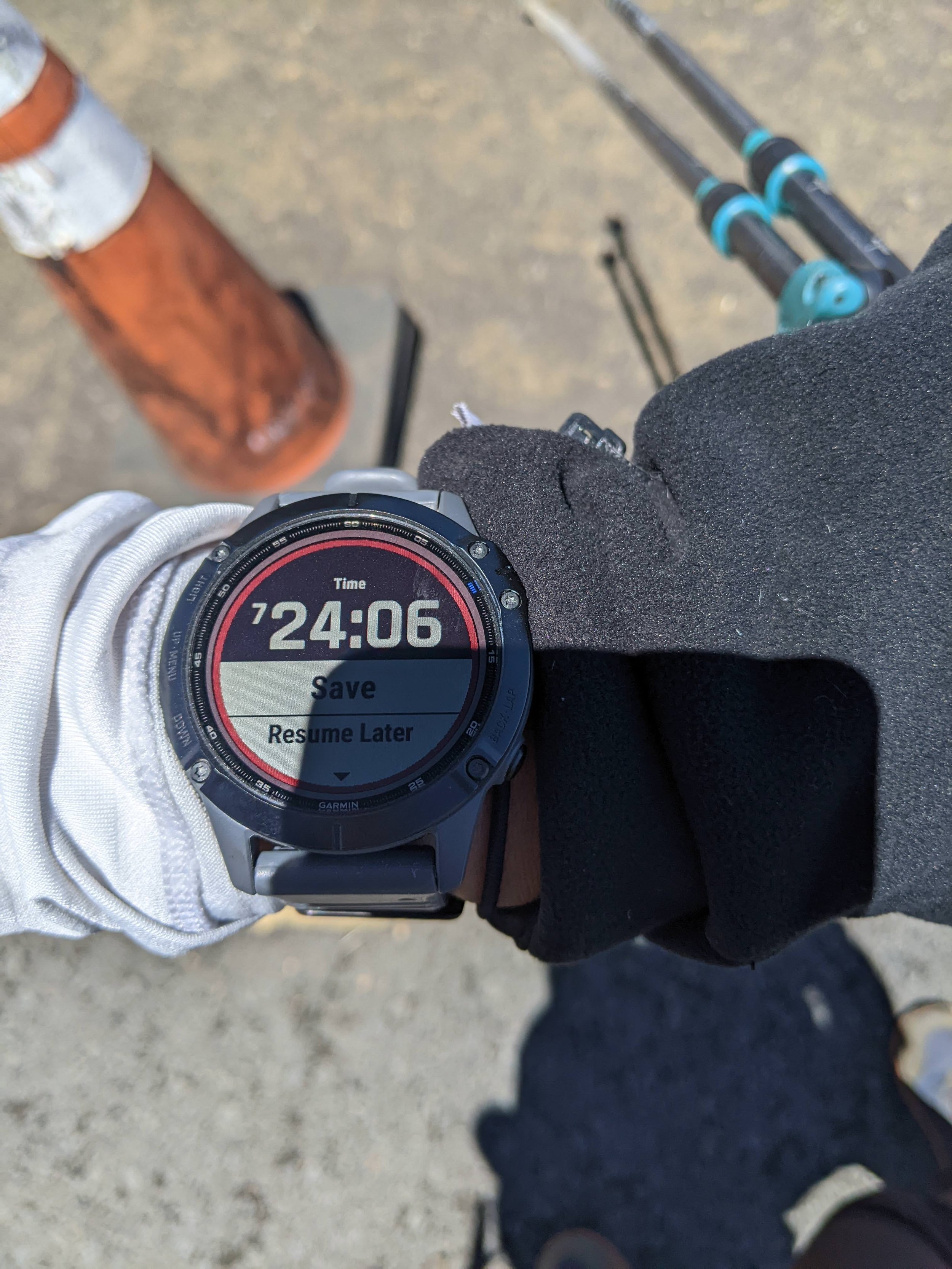
We hit the trail for Mauna Kea at 6:00 AM on Saturday, April 23rd. The round trip was a rigorous 13.4 miles with 5000ft of elevation gain. We reached the 13803ft summit at 10:30 AM (a 4.5-hour ascent) and made it back down by 1:00 PM, clocking exactly 7 hours for peak number one.
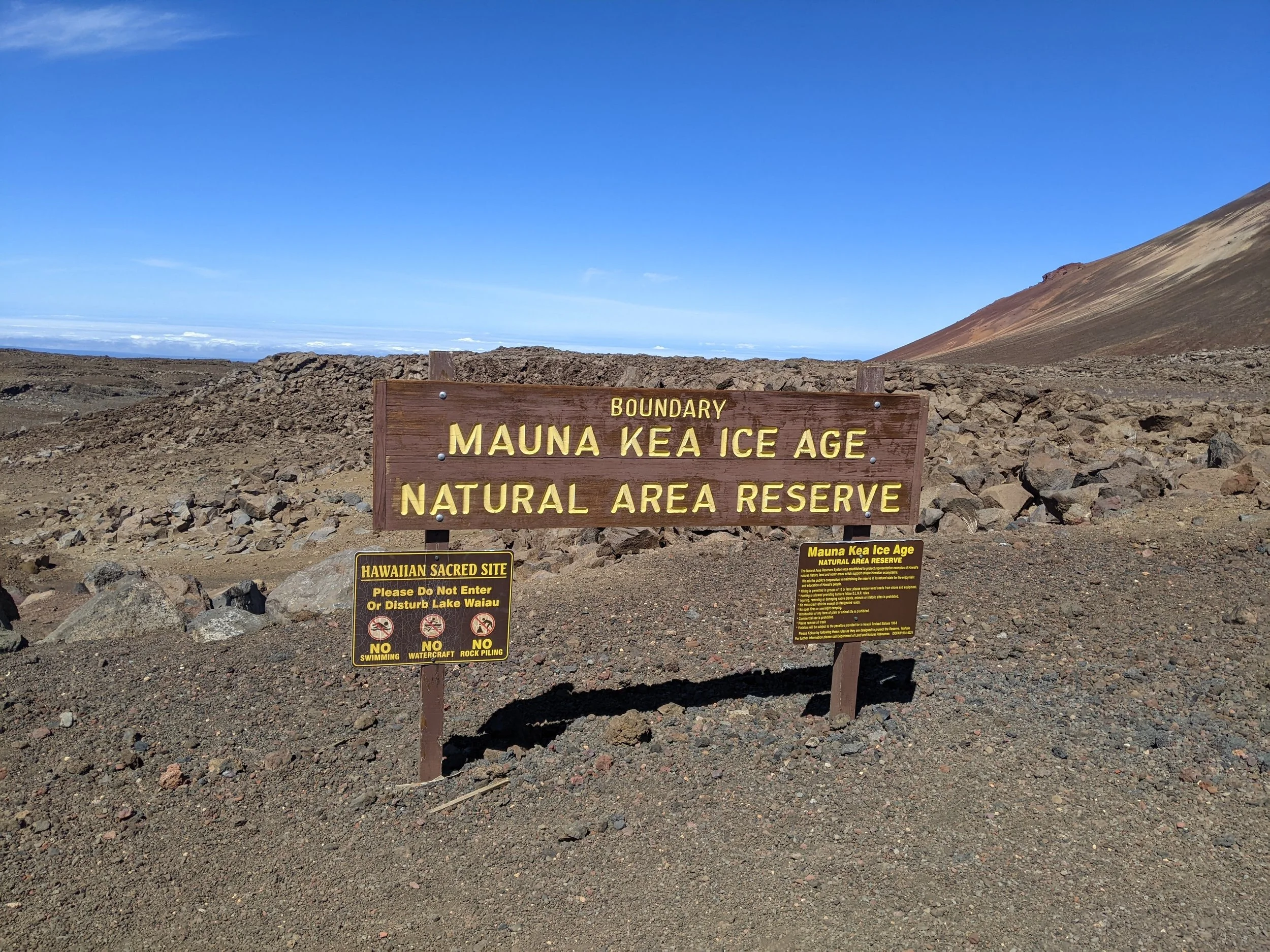
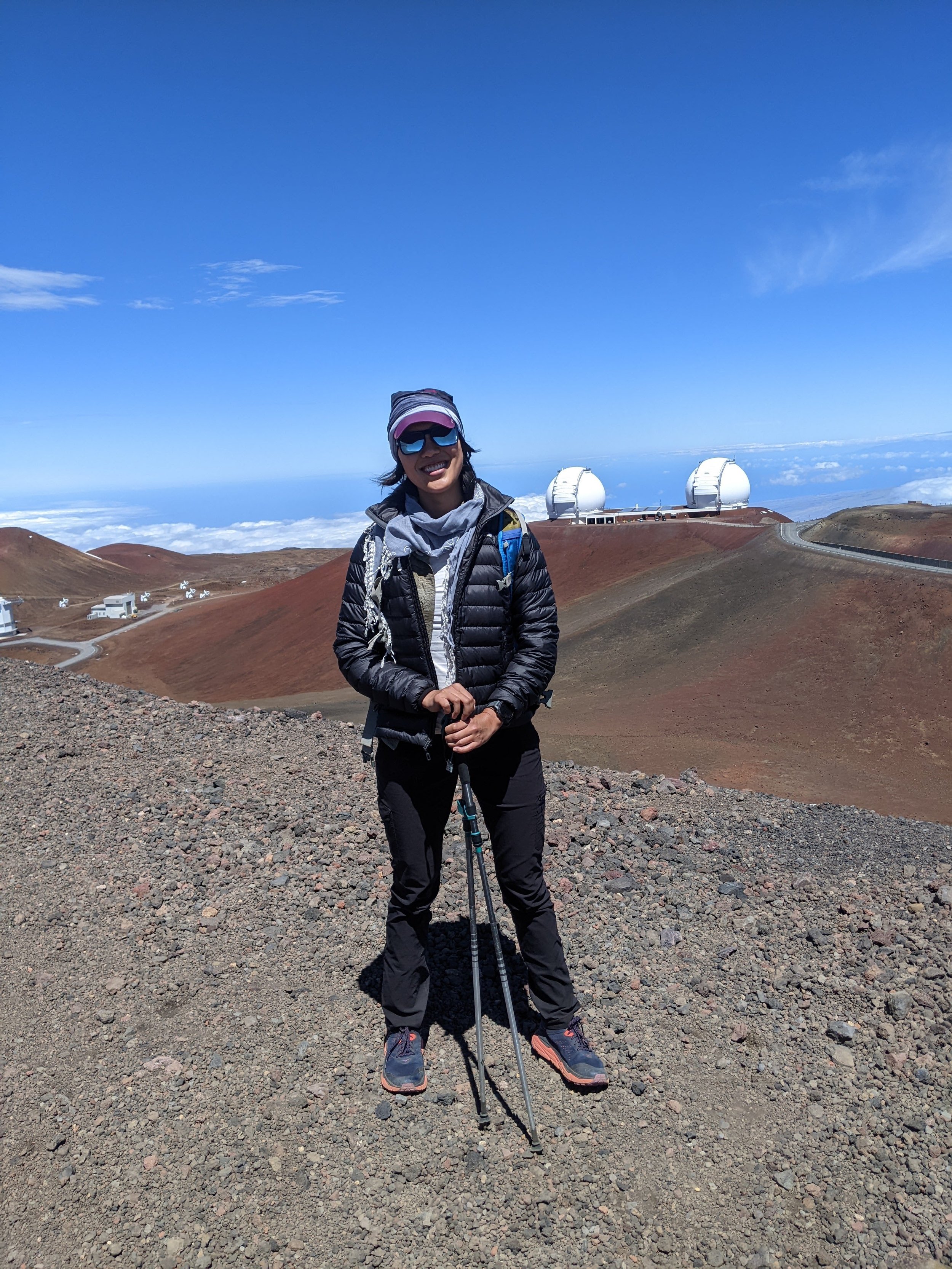
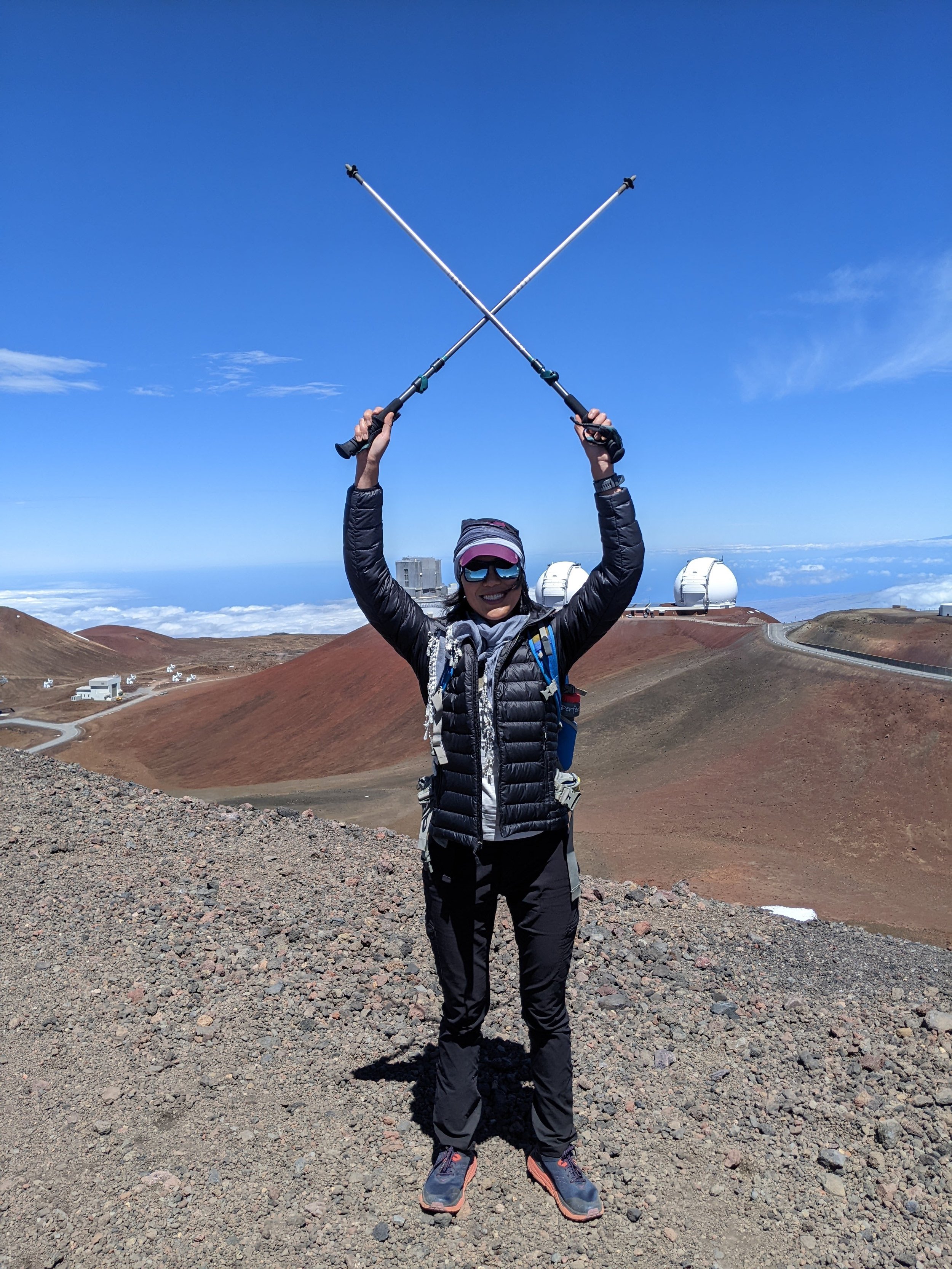
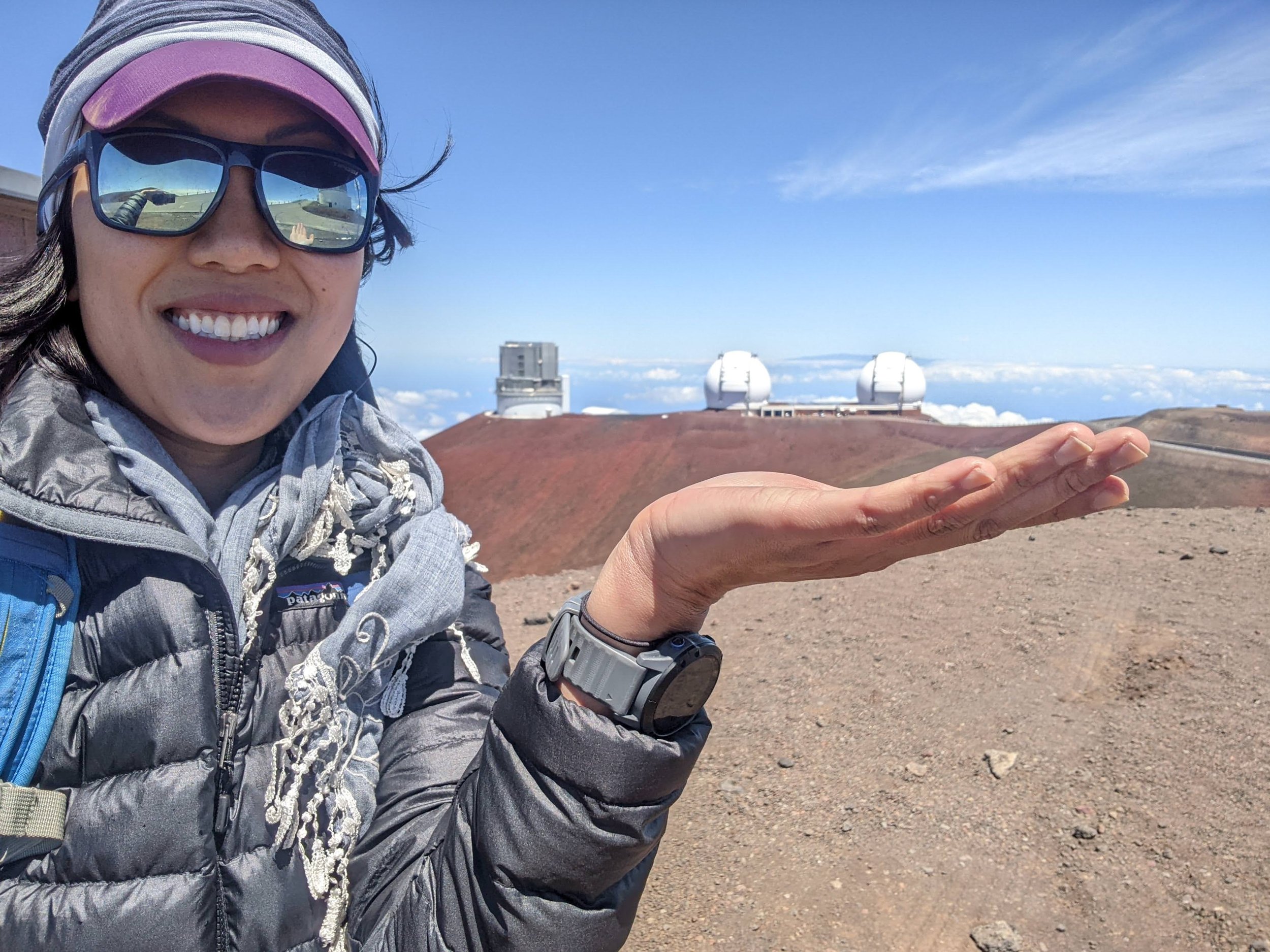
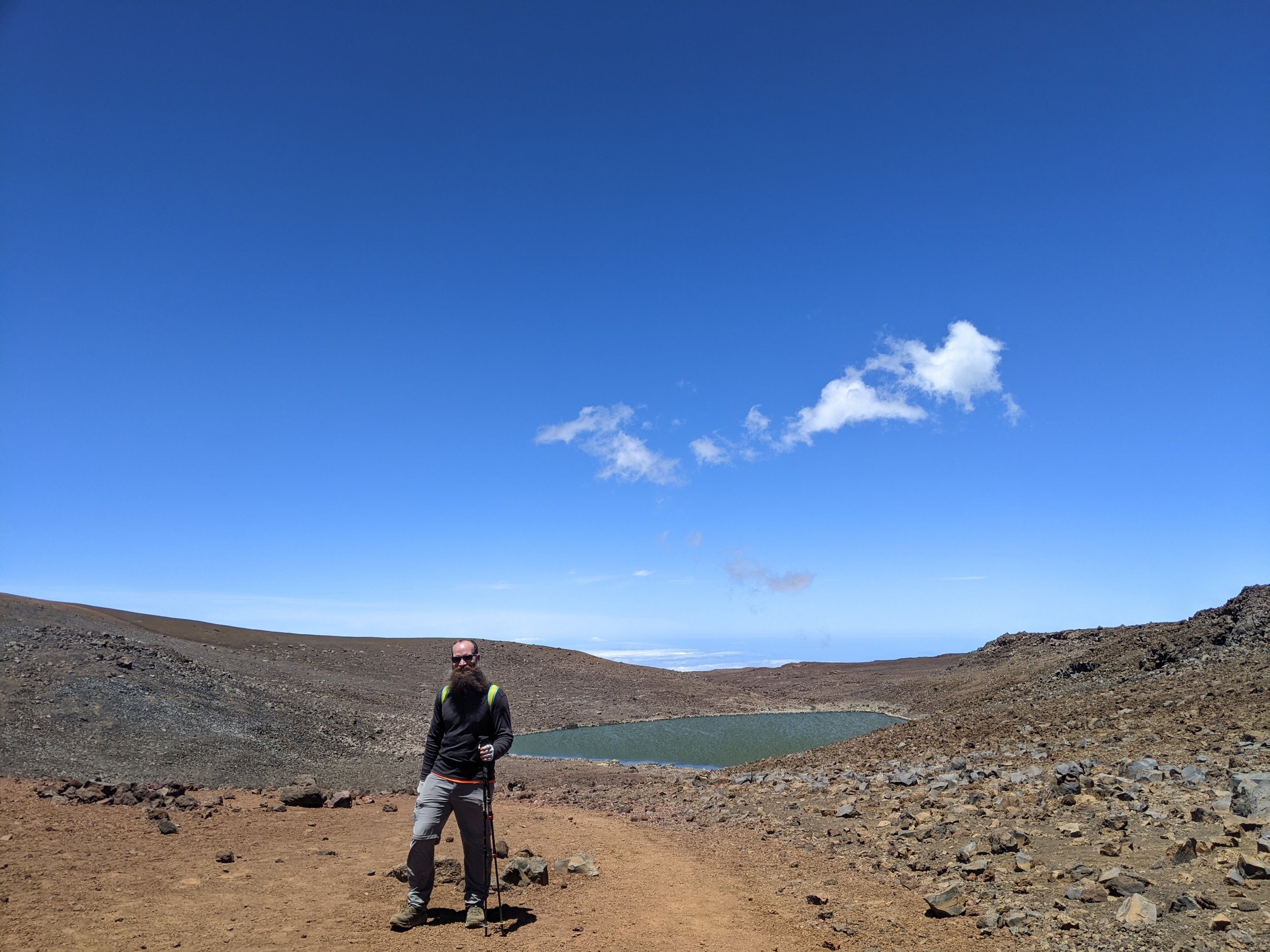
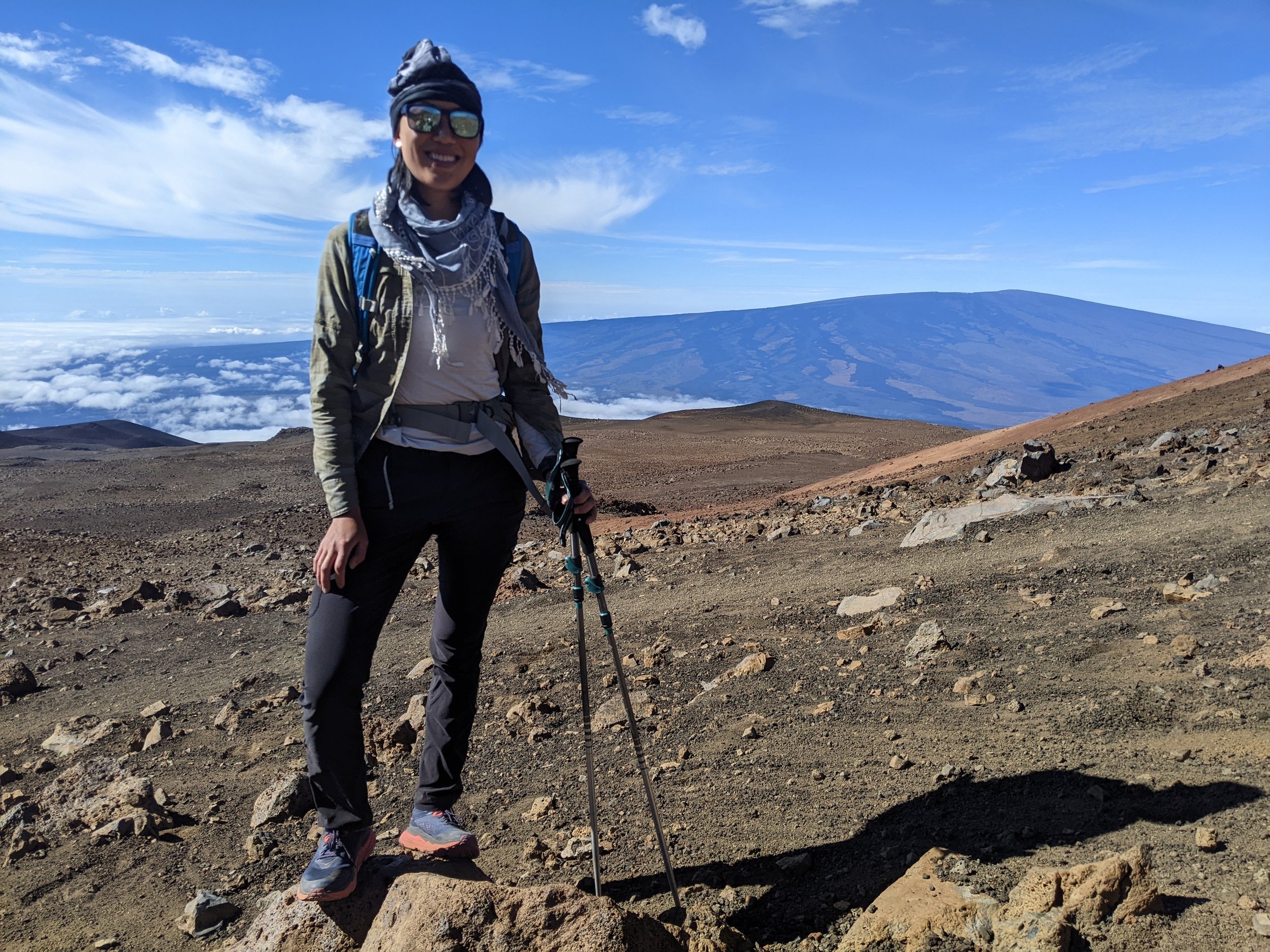
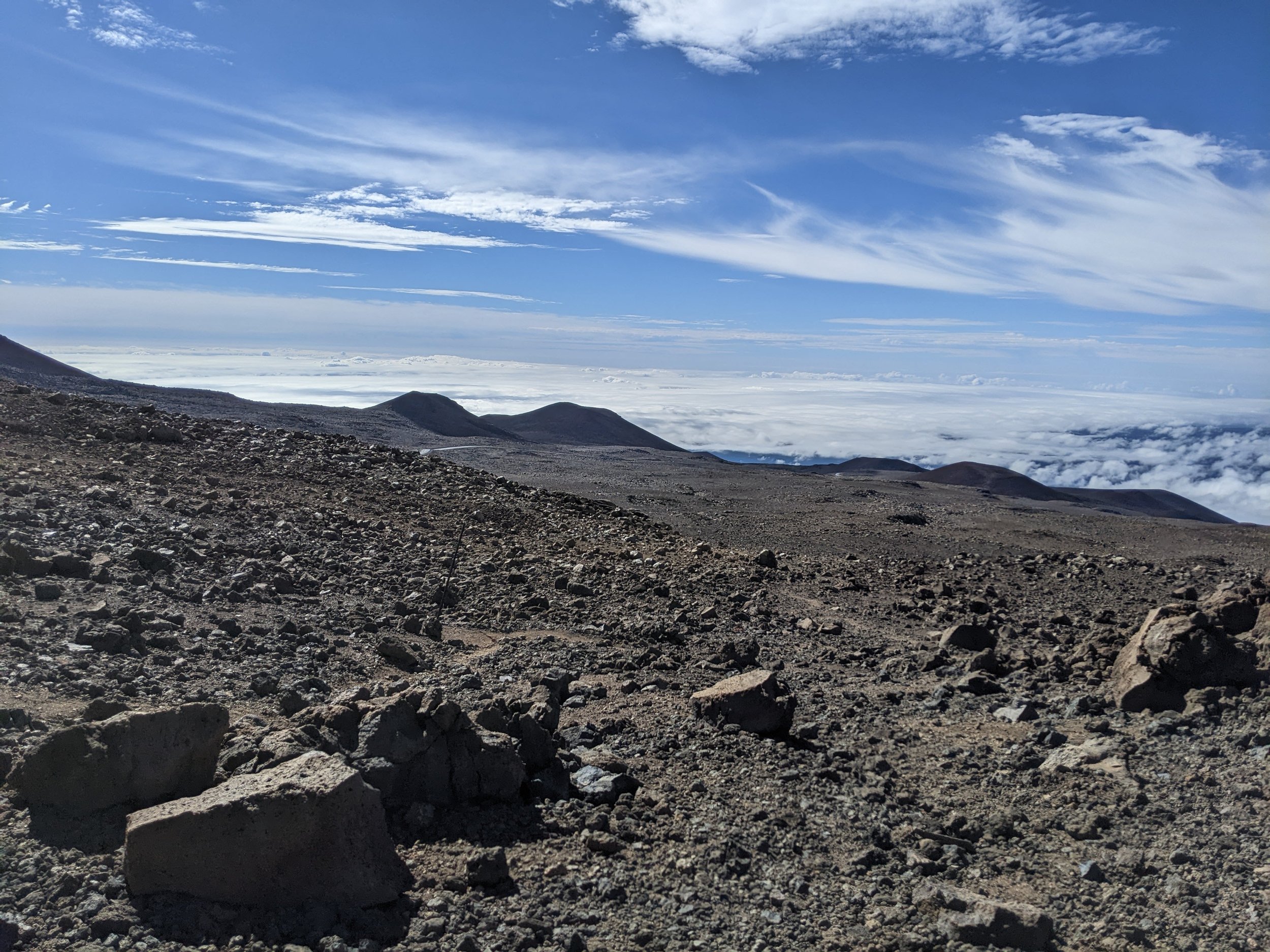
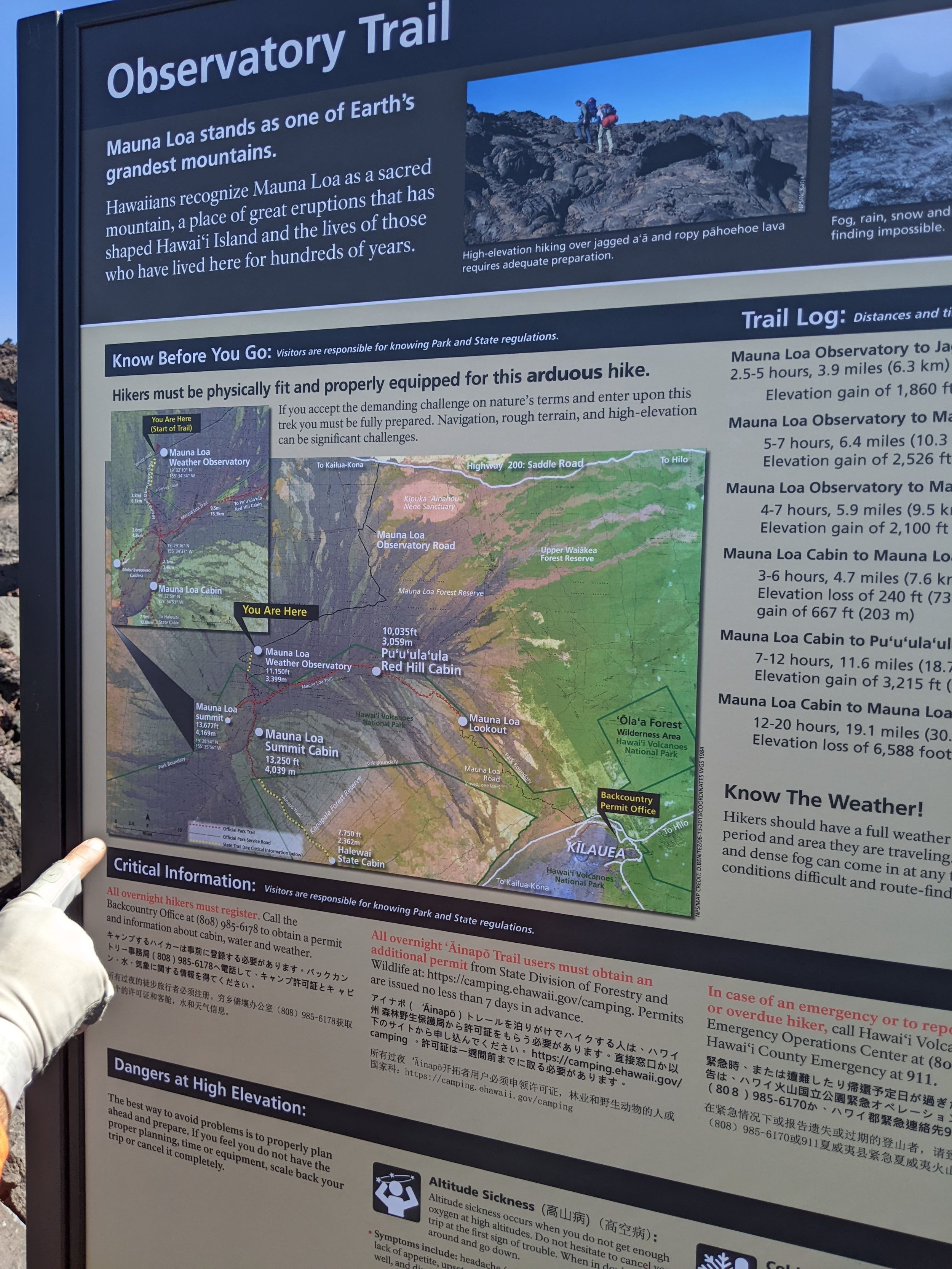
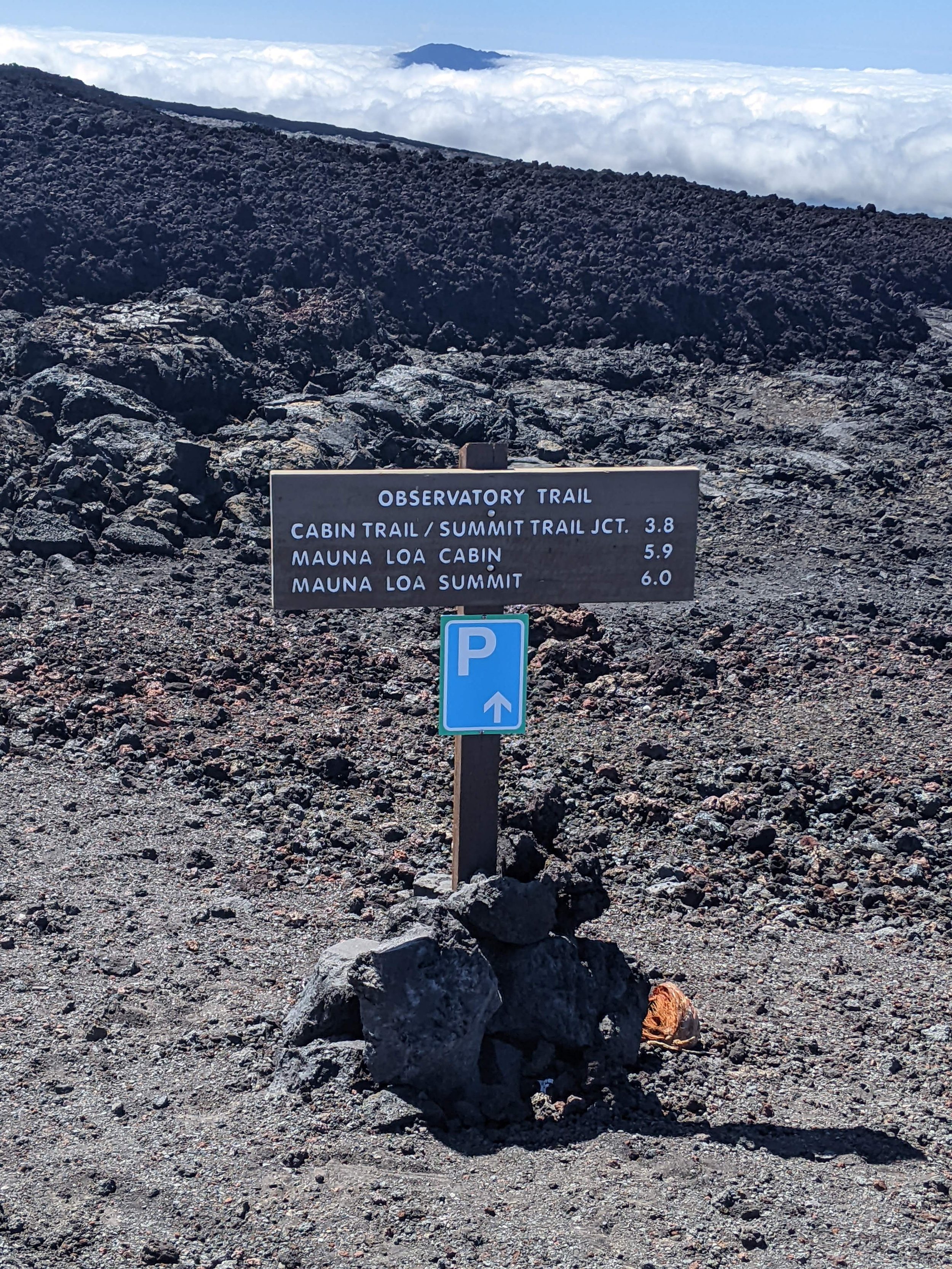
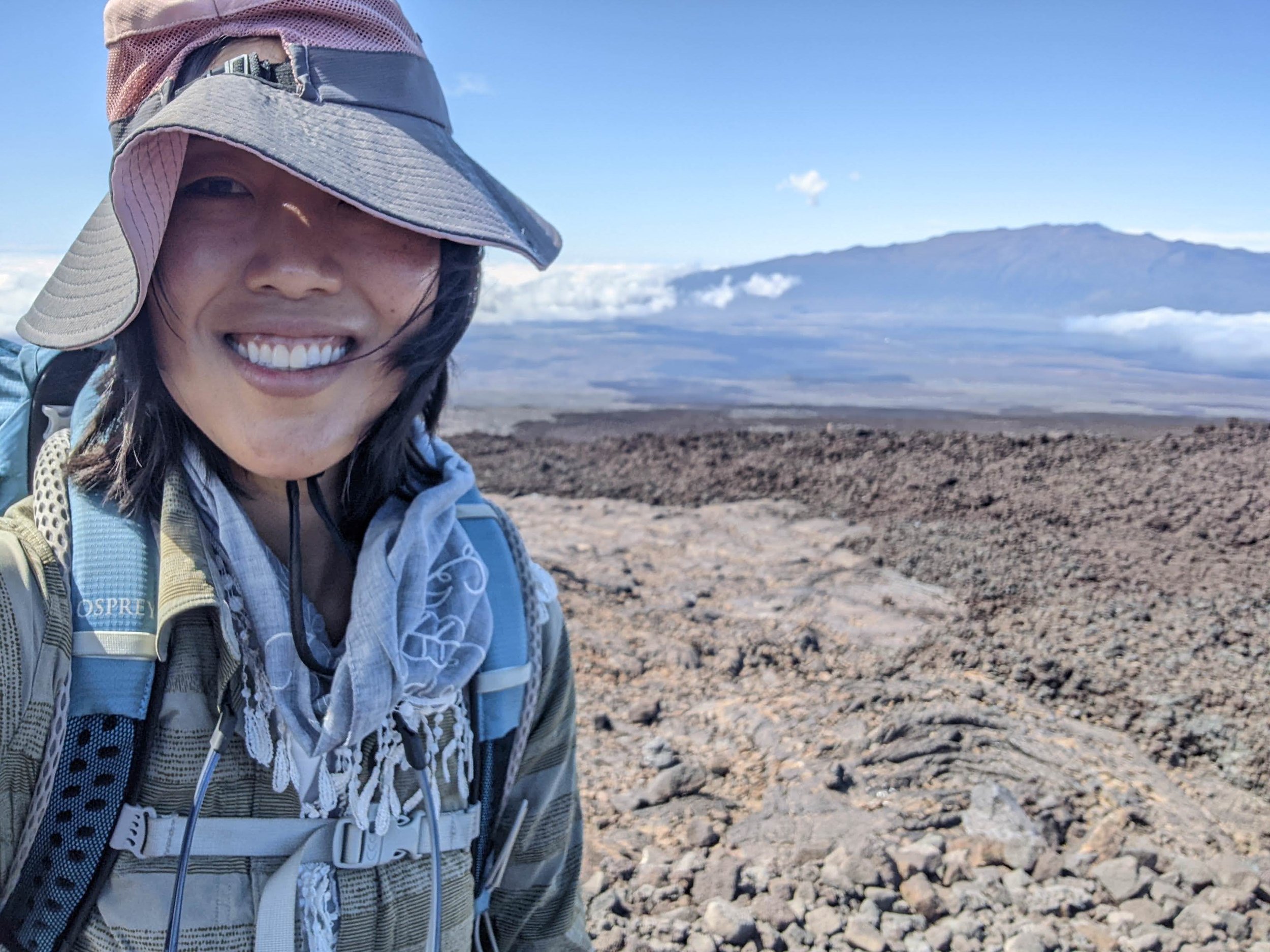
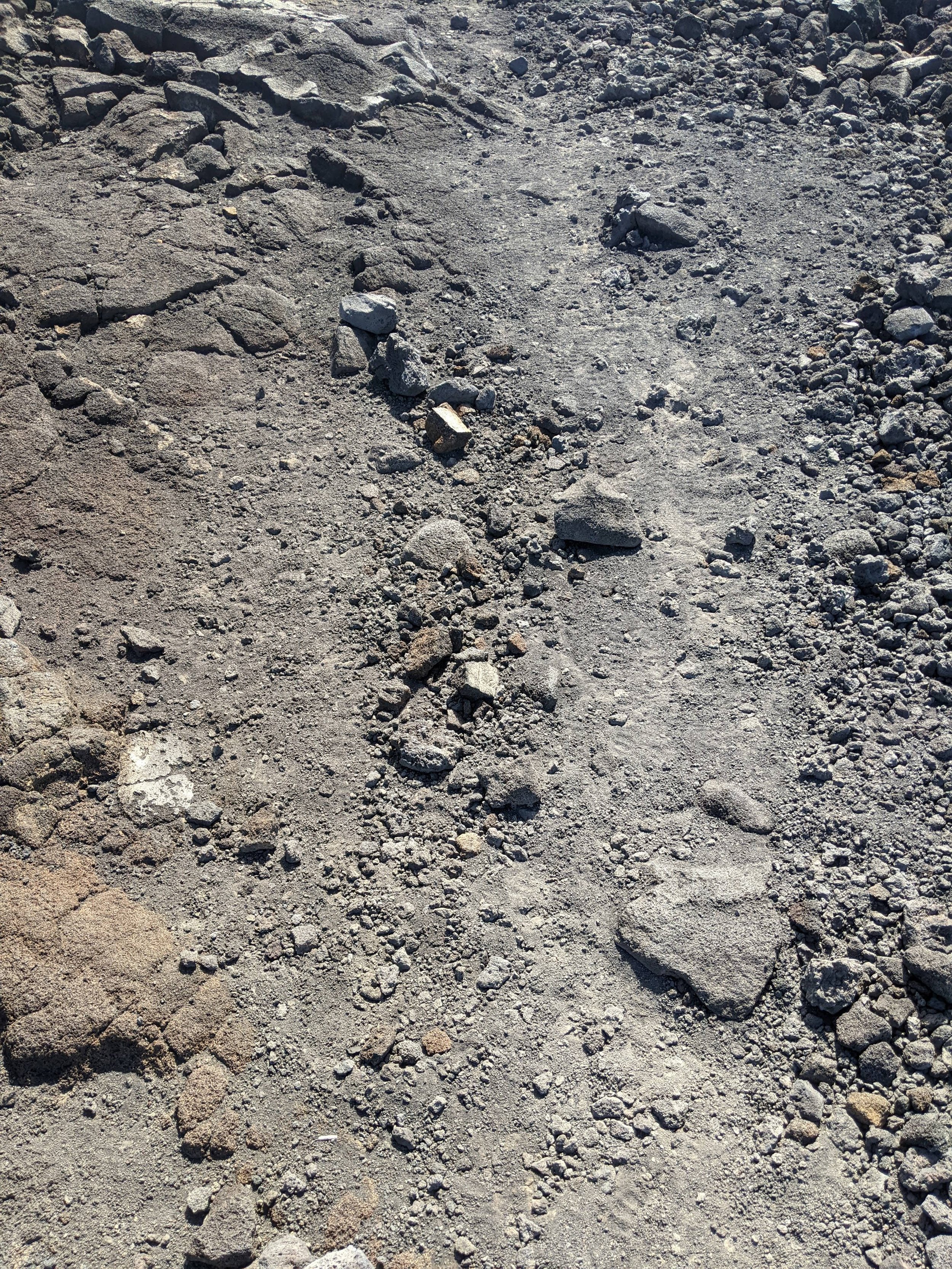
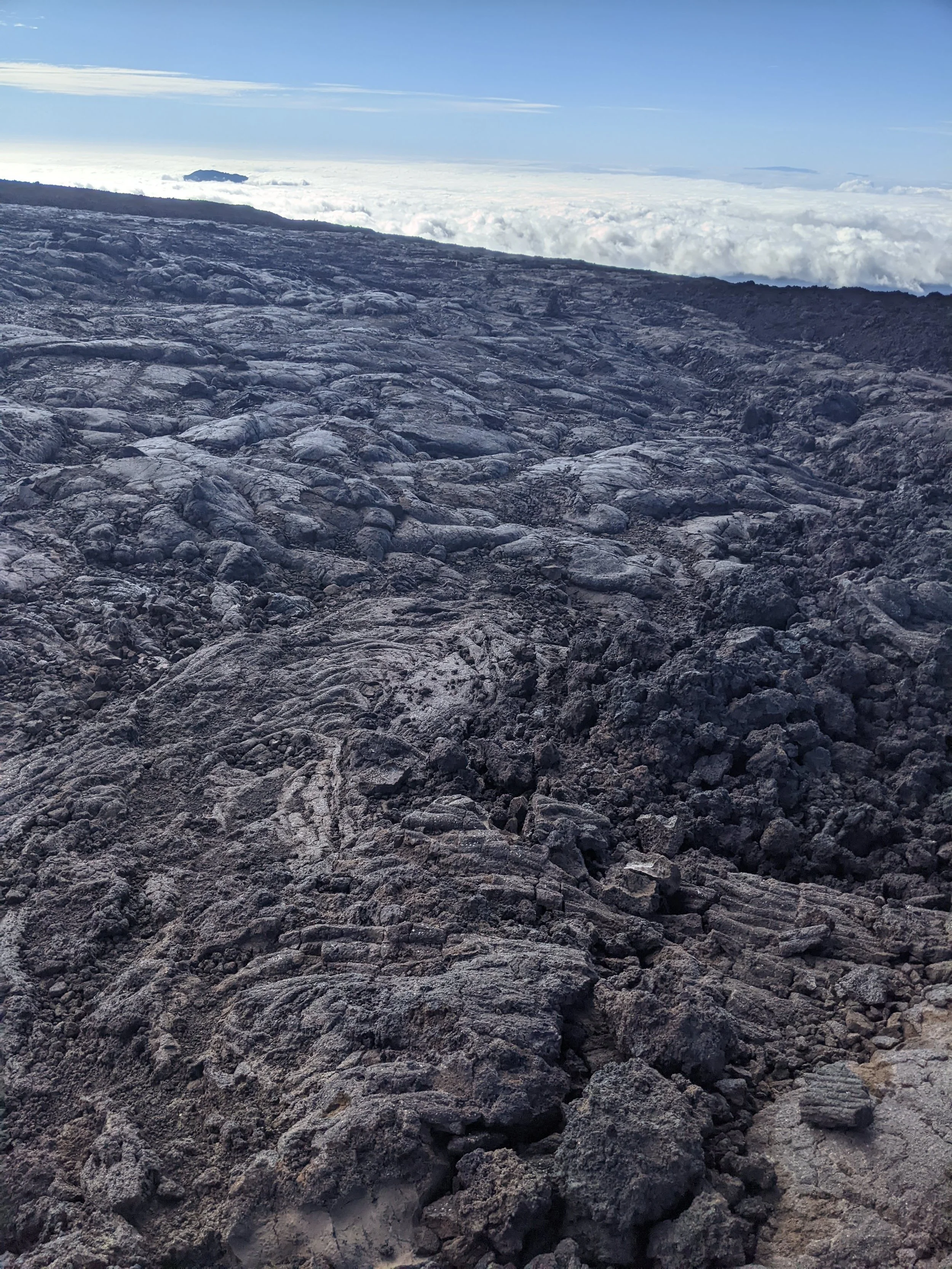
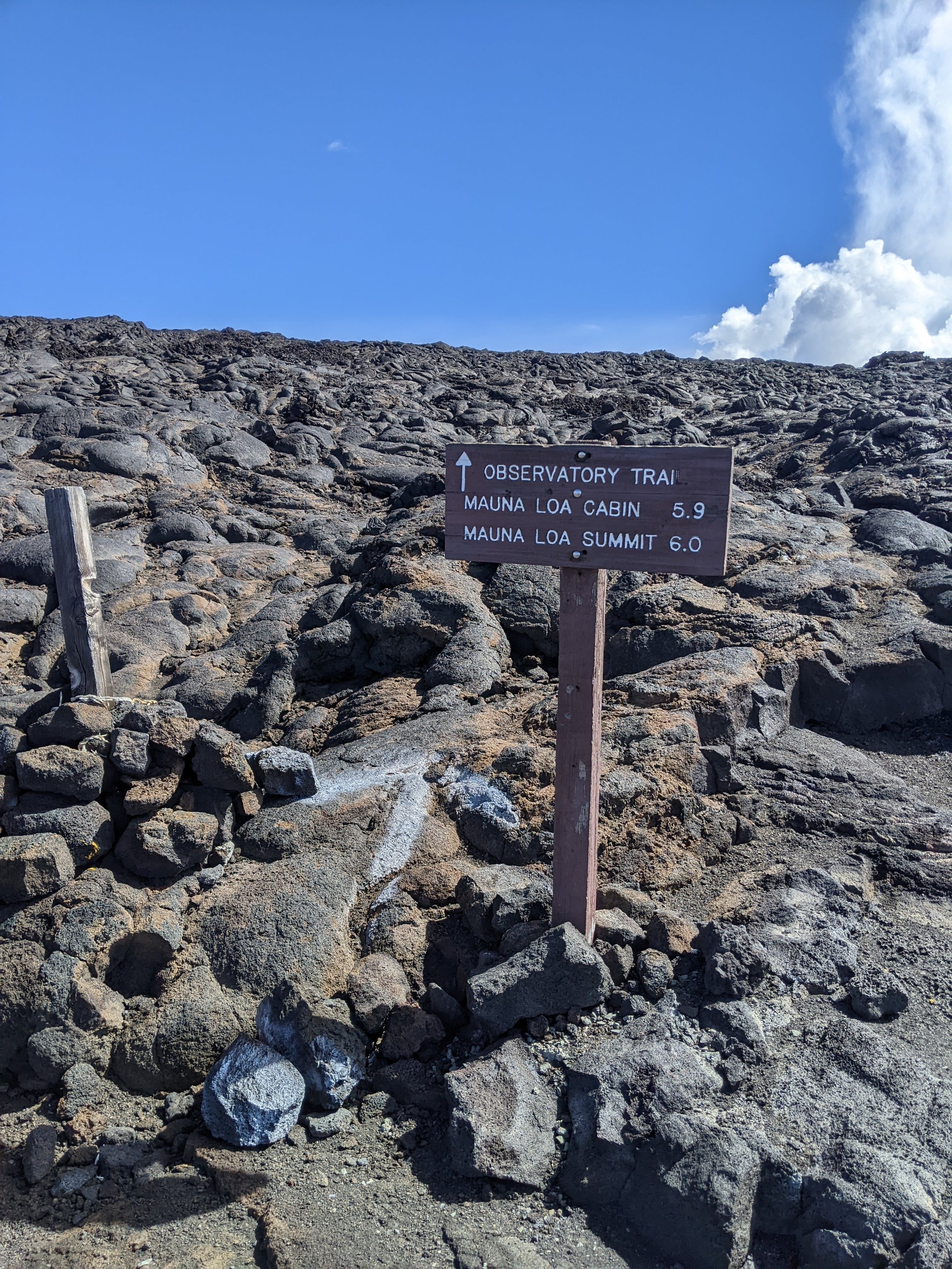
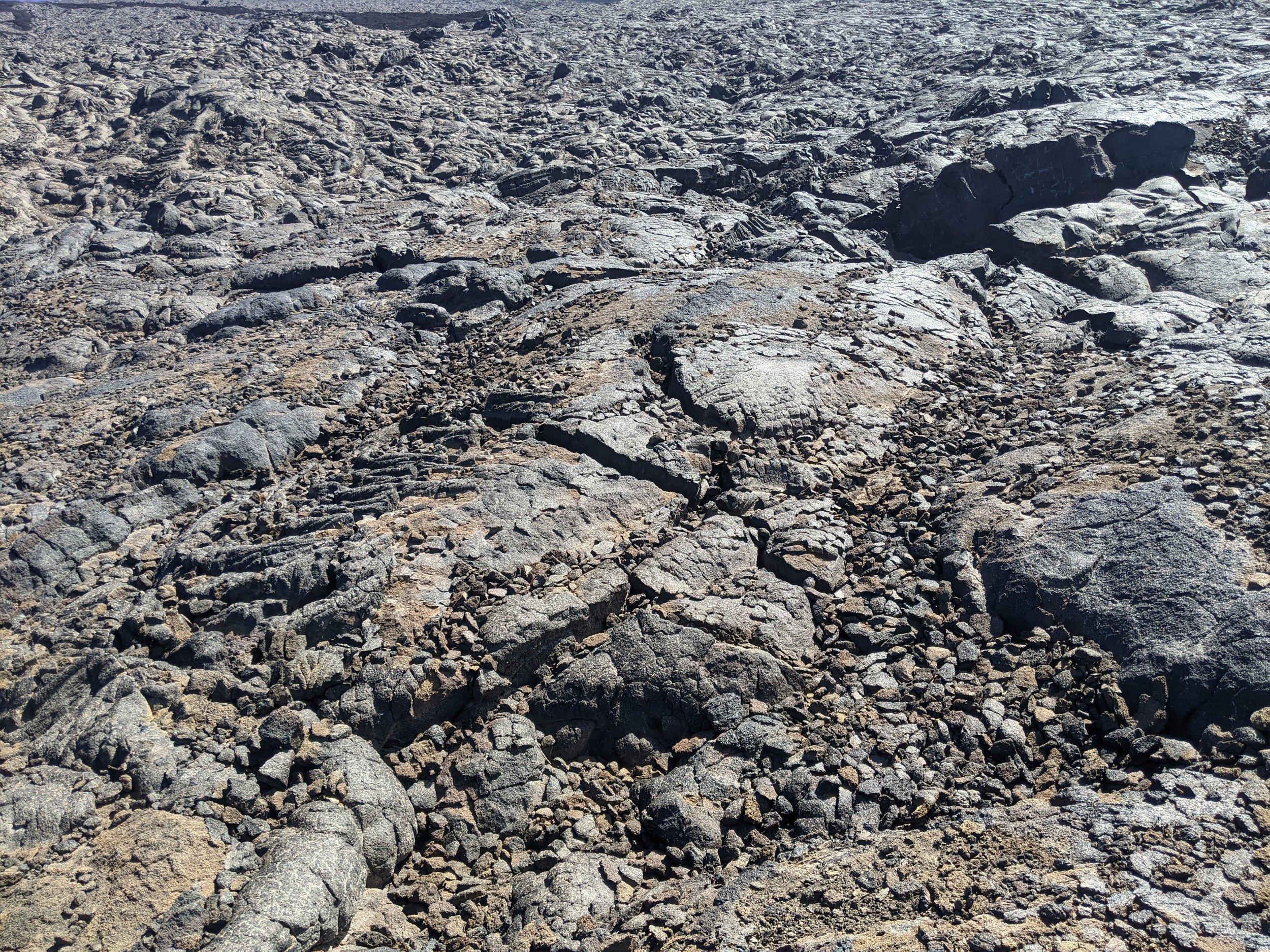
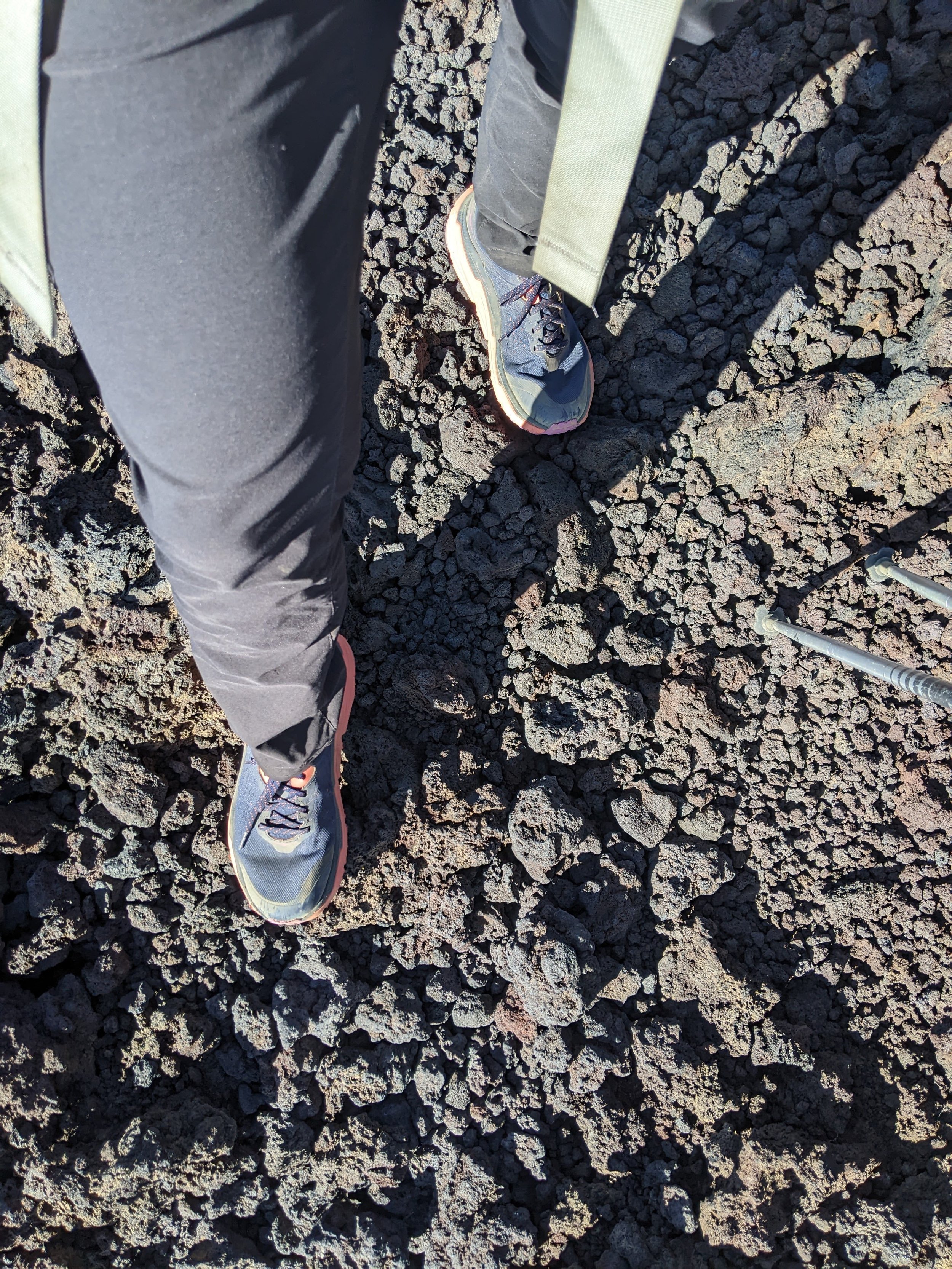
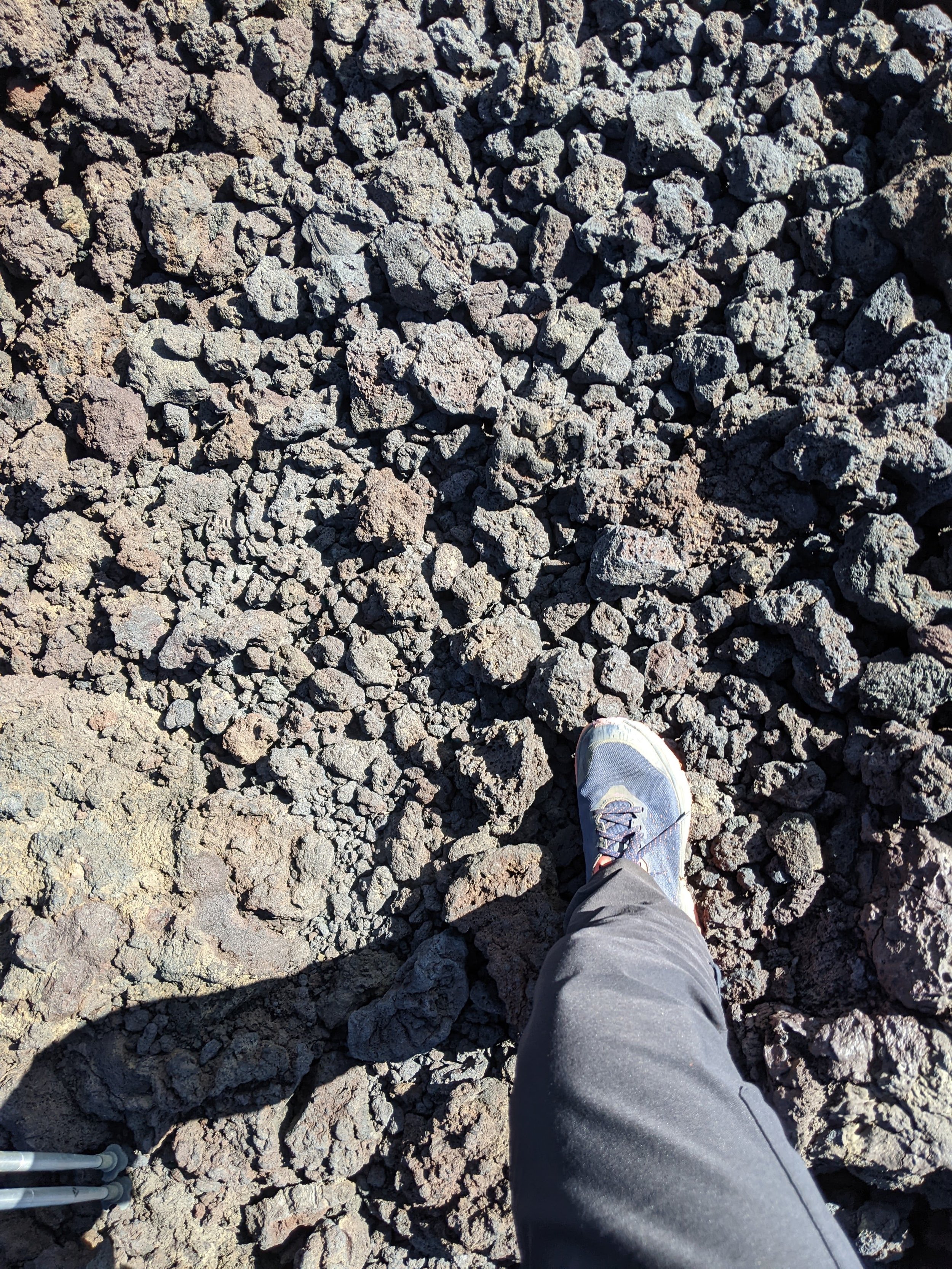
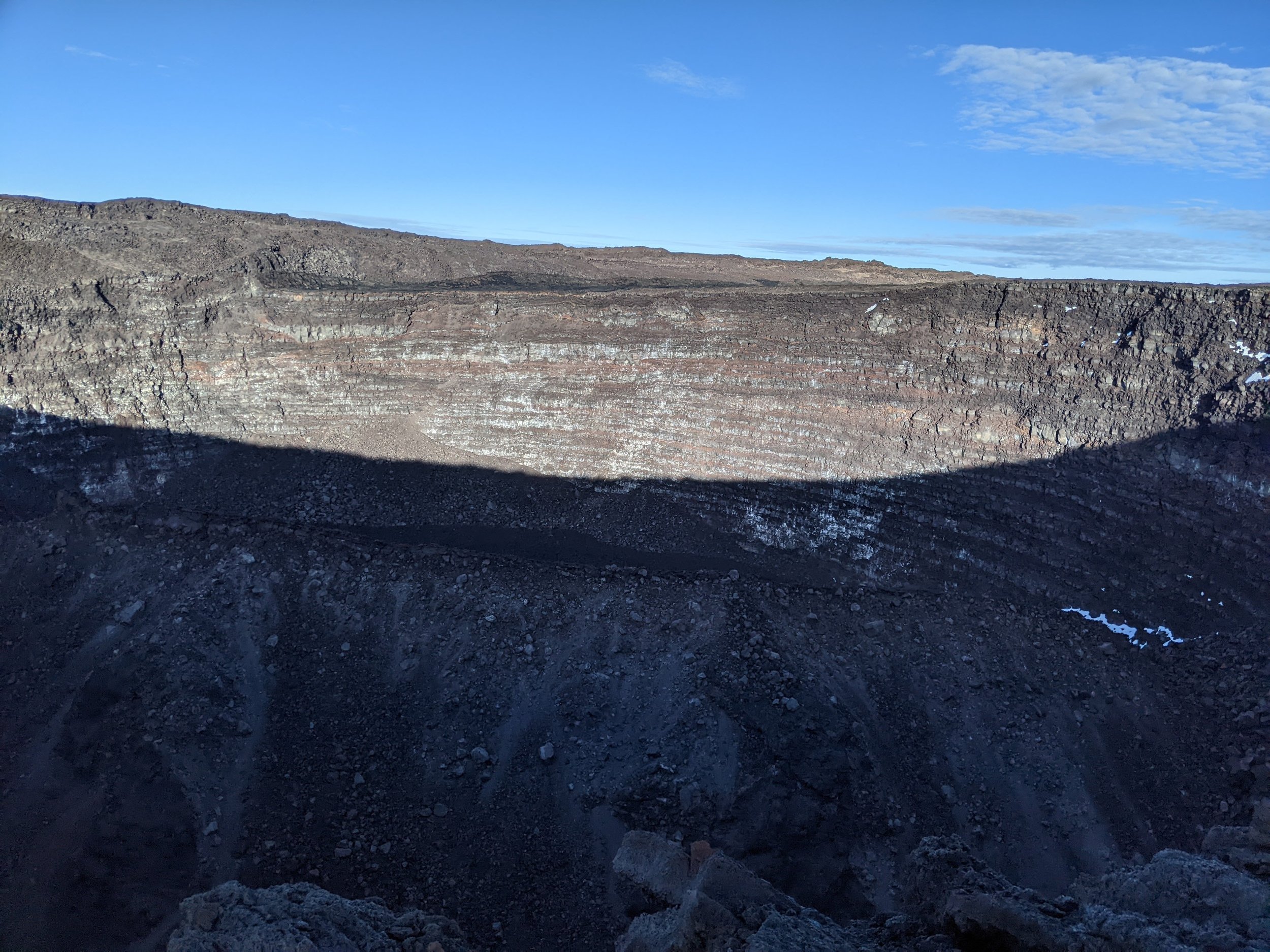
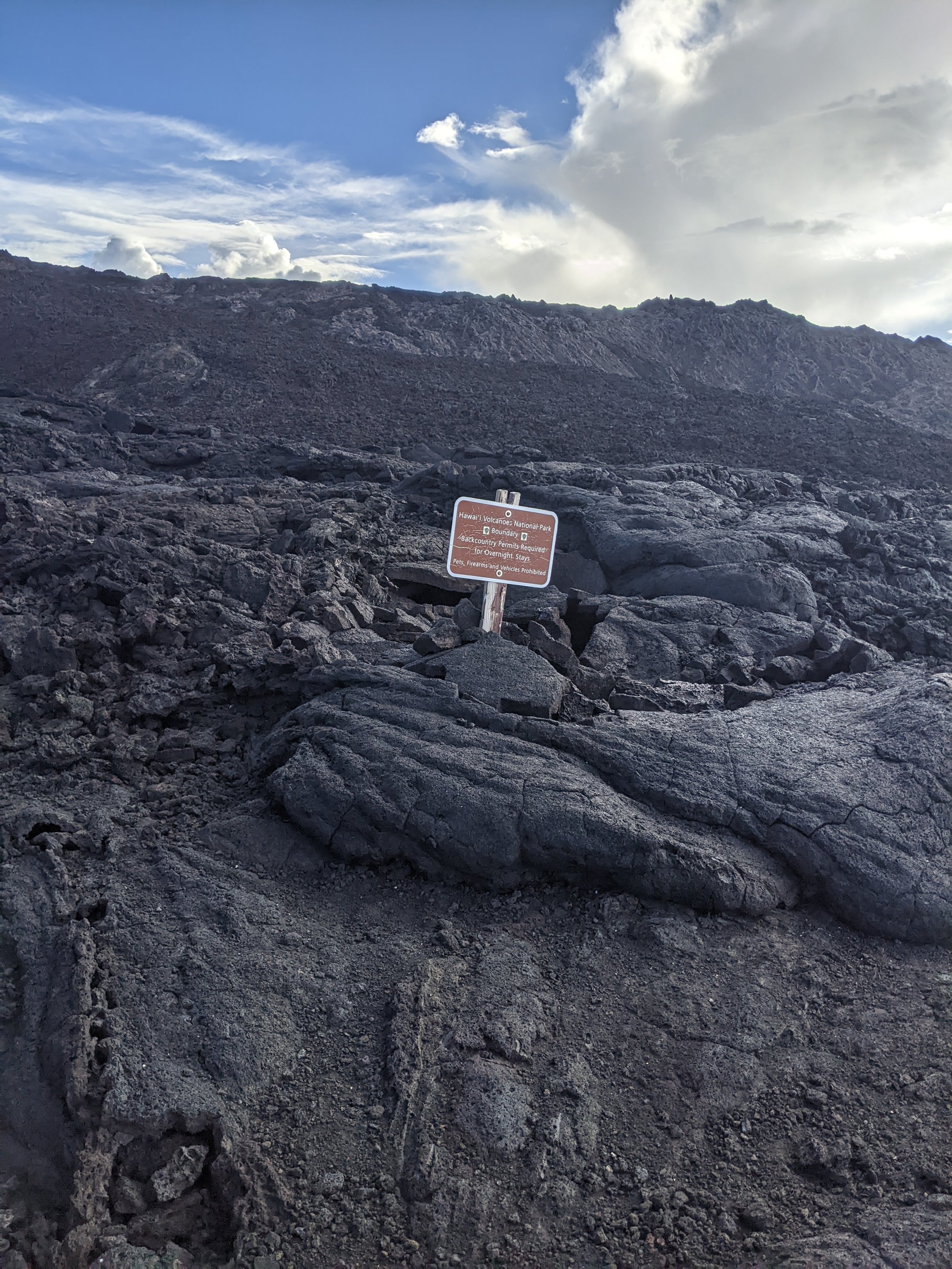
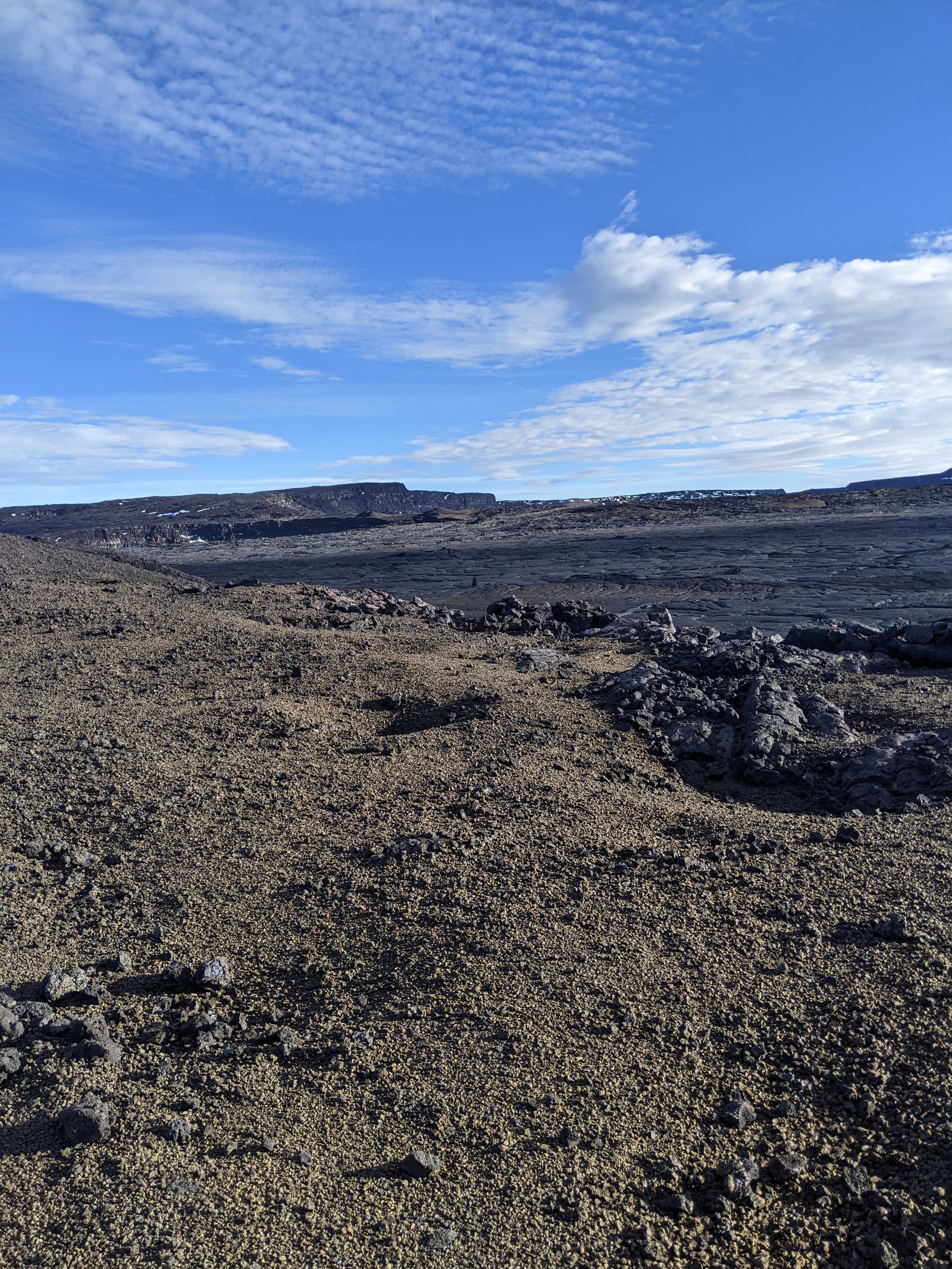
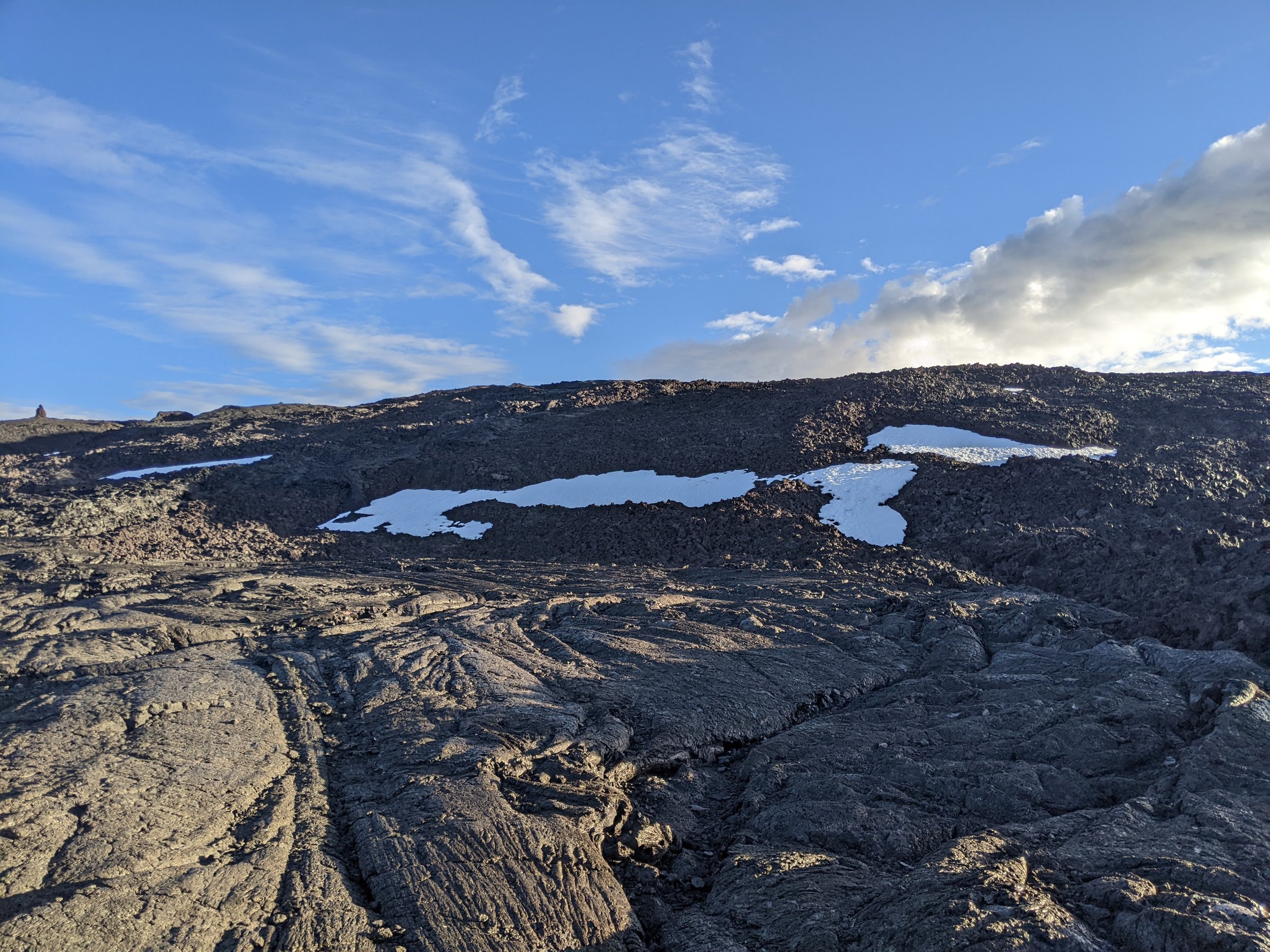
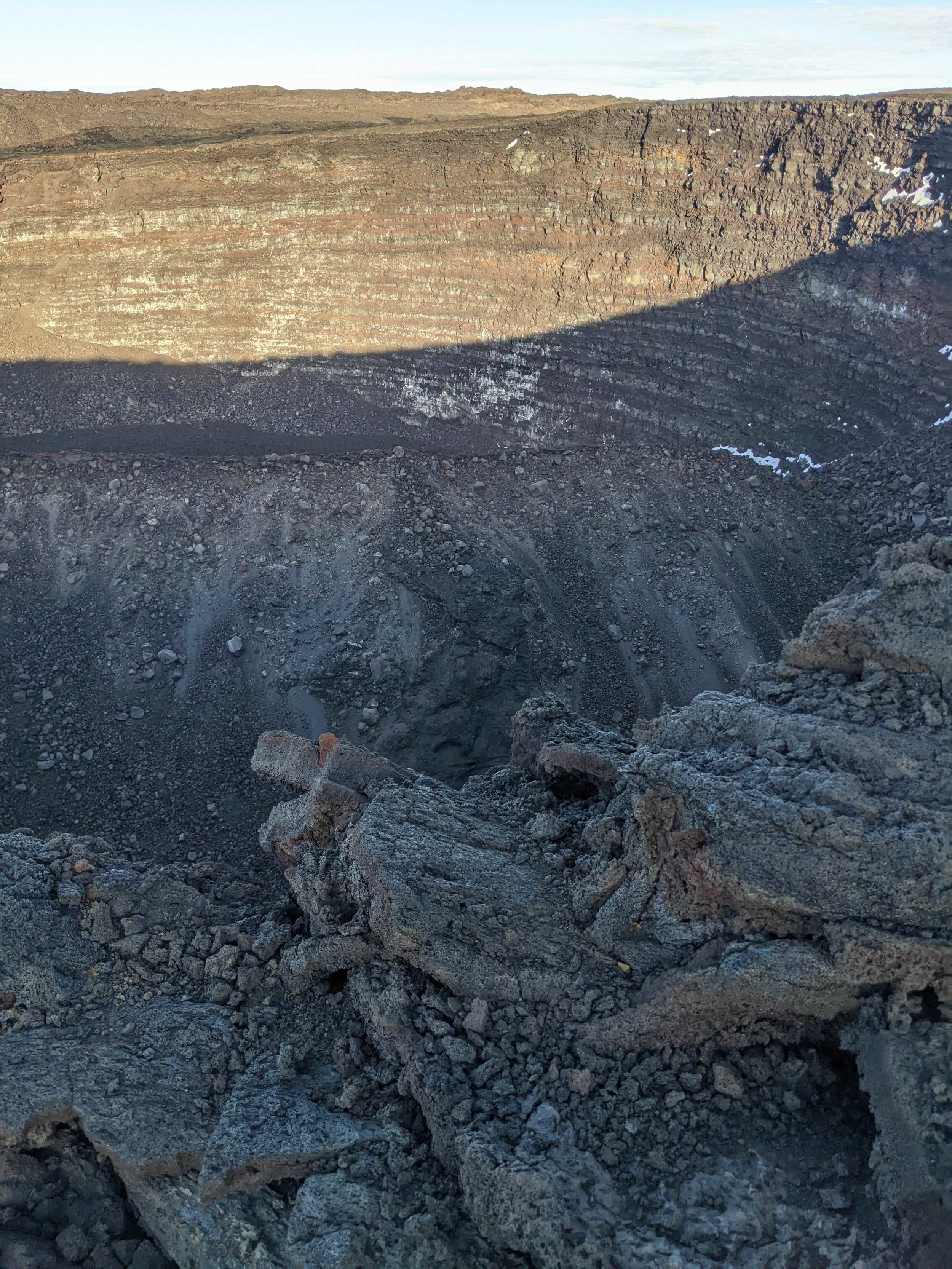
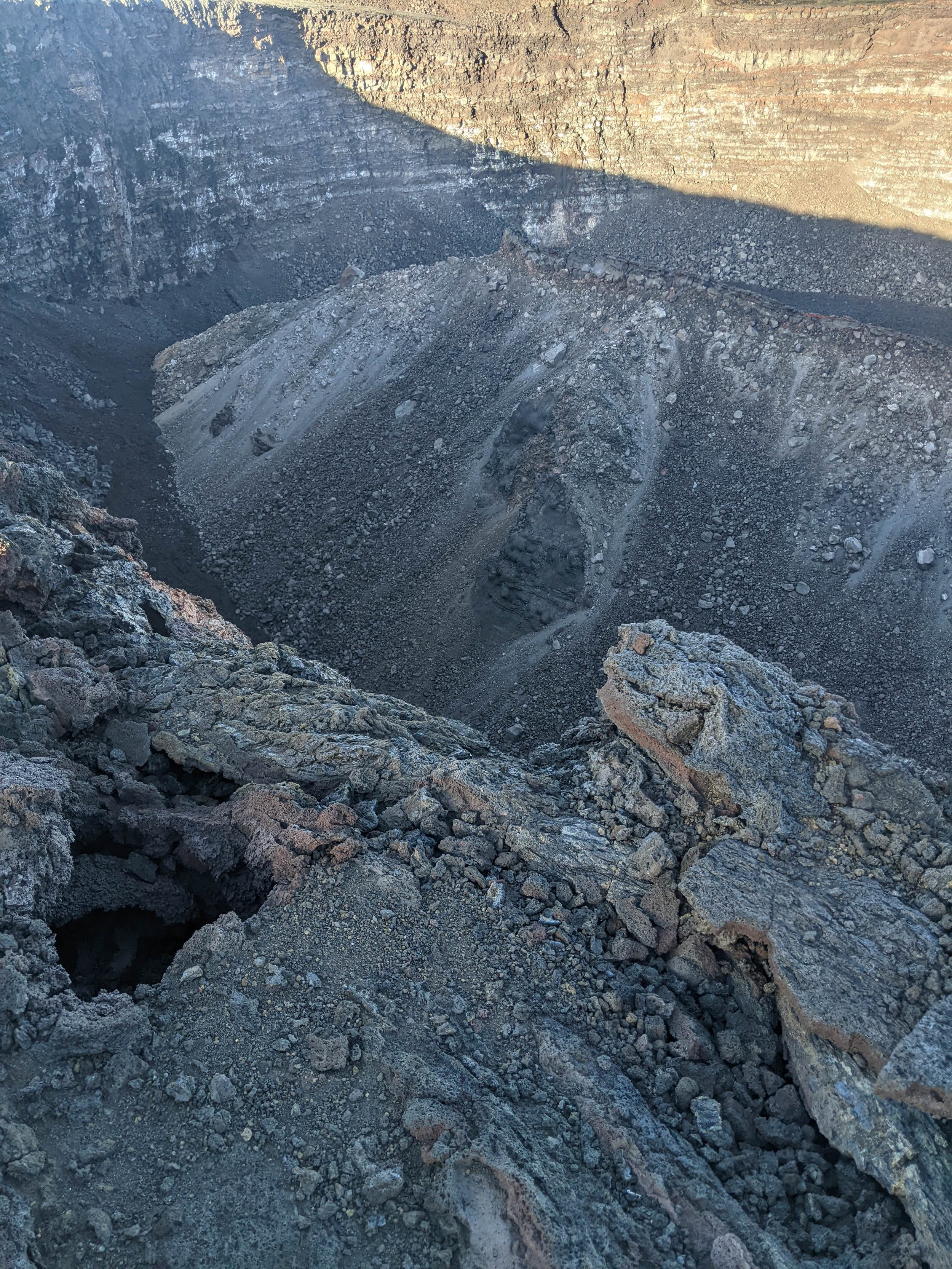
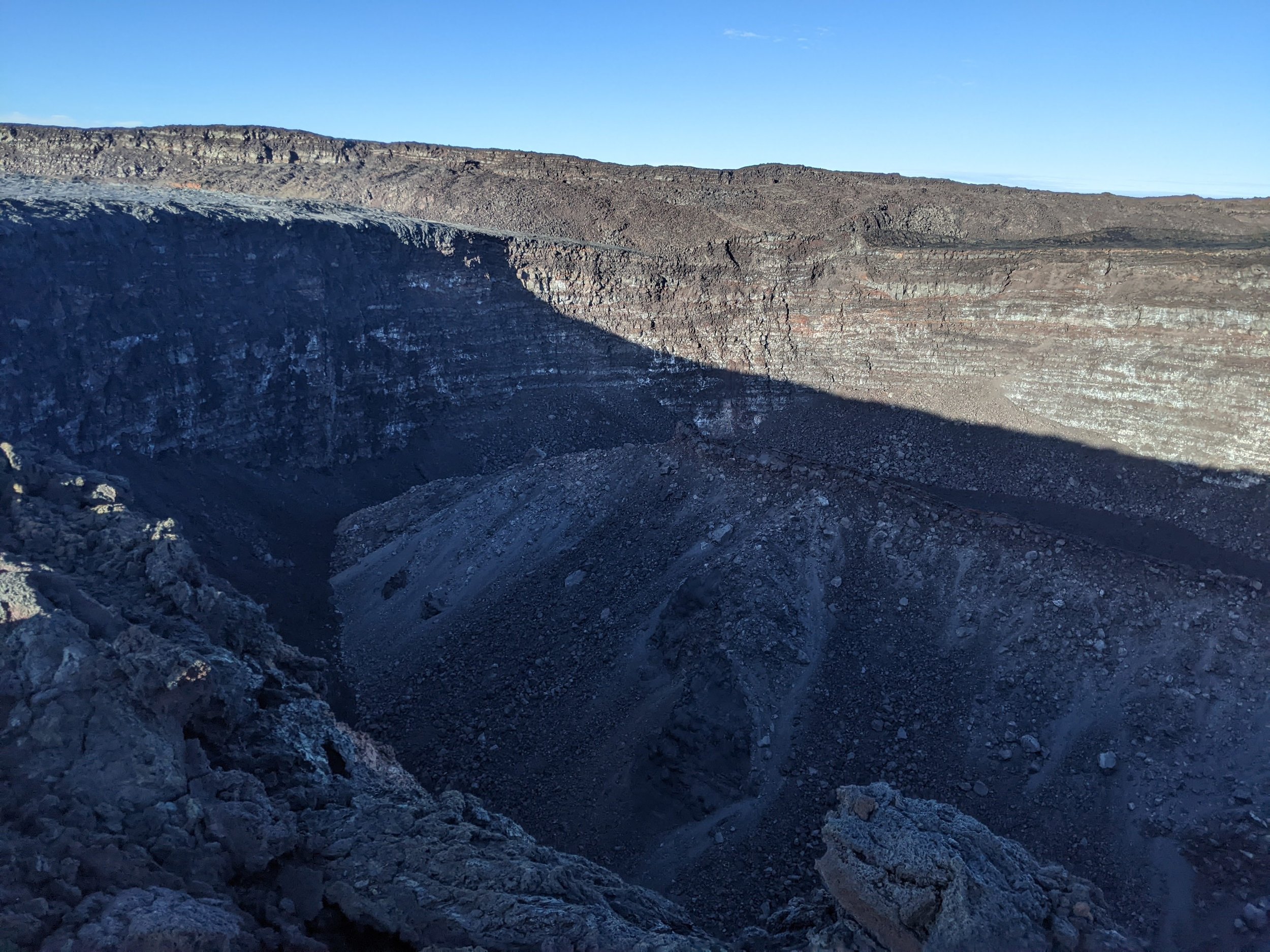
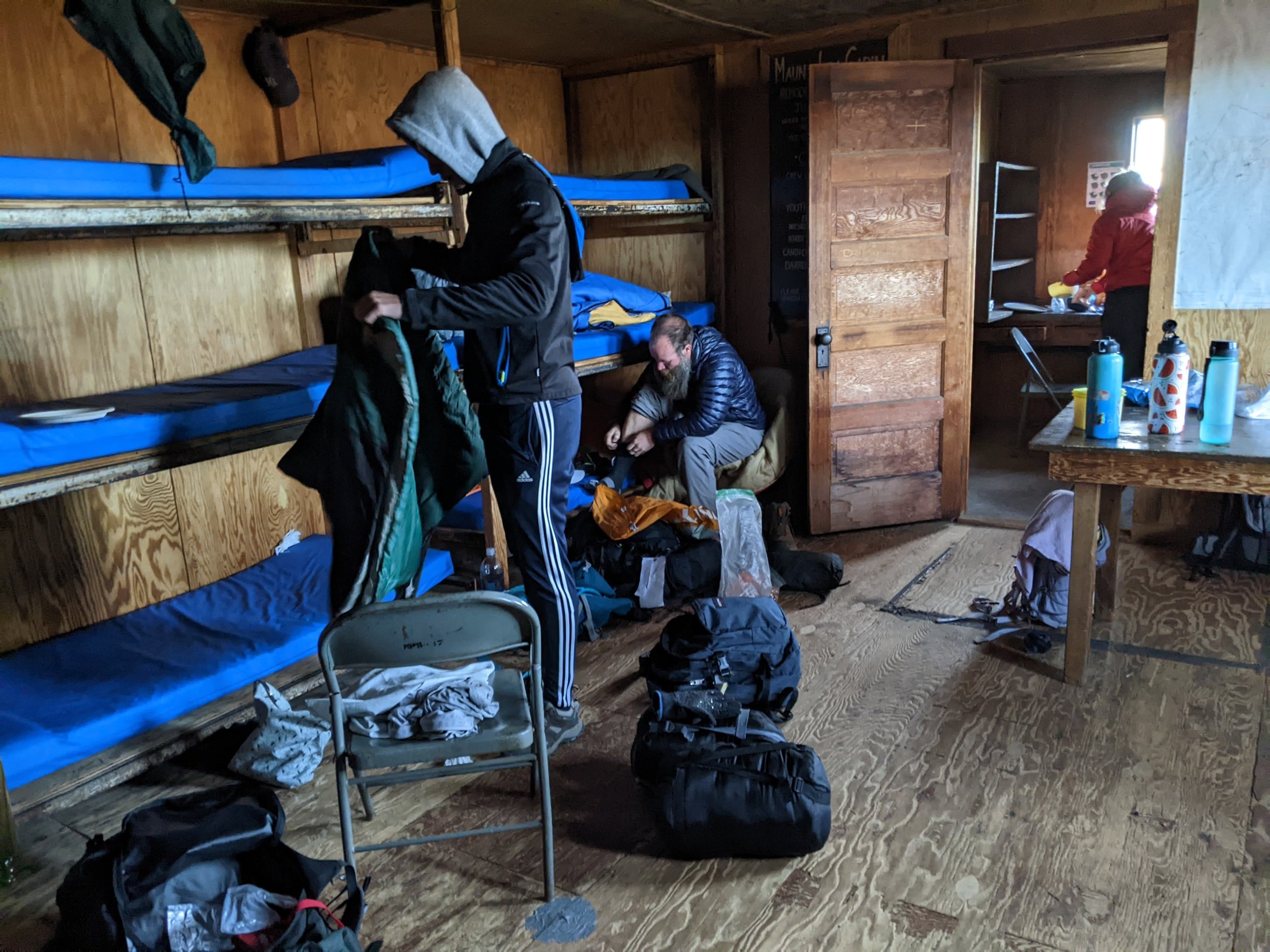
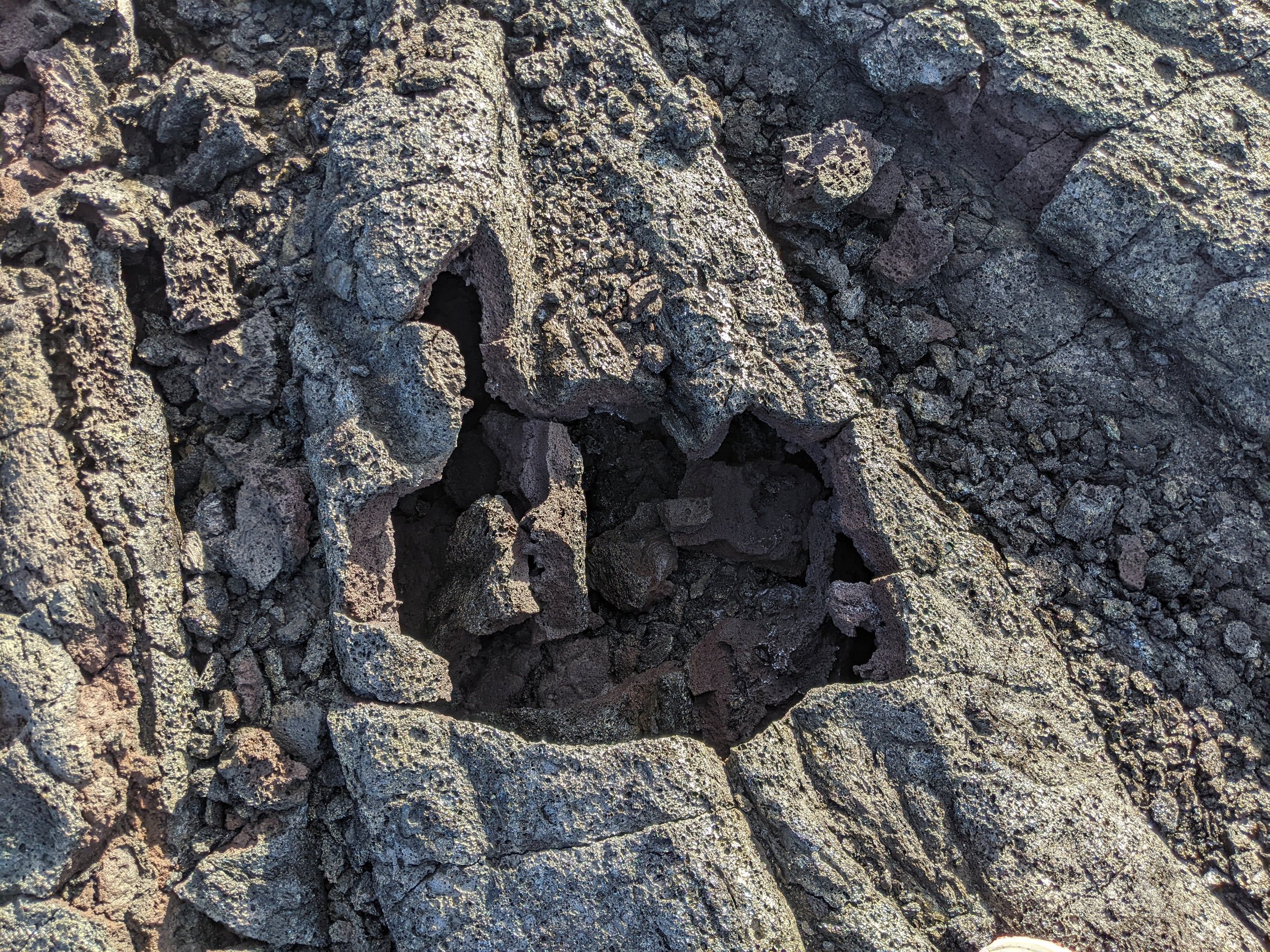
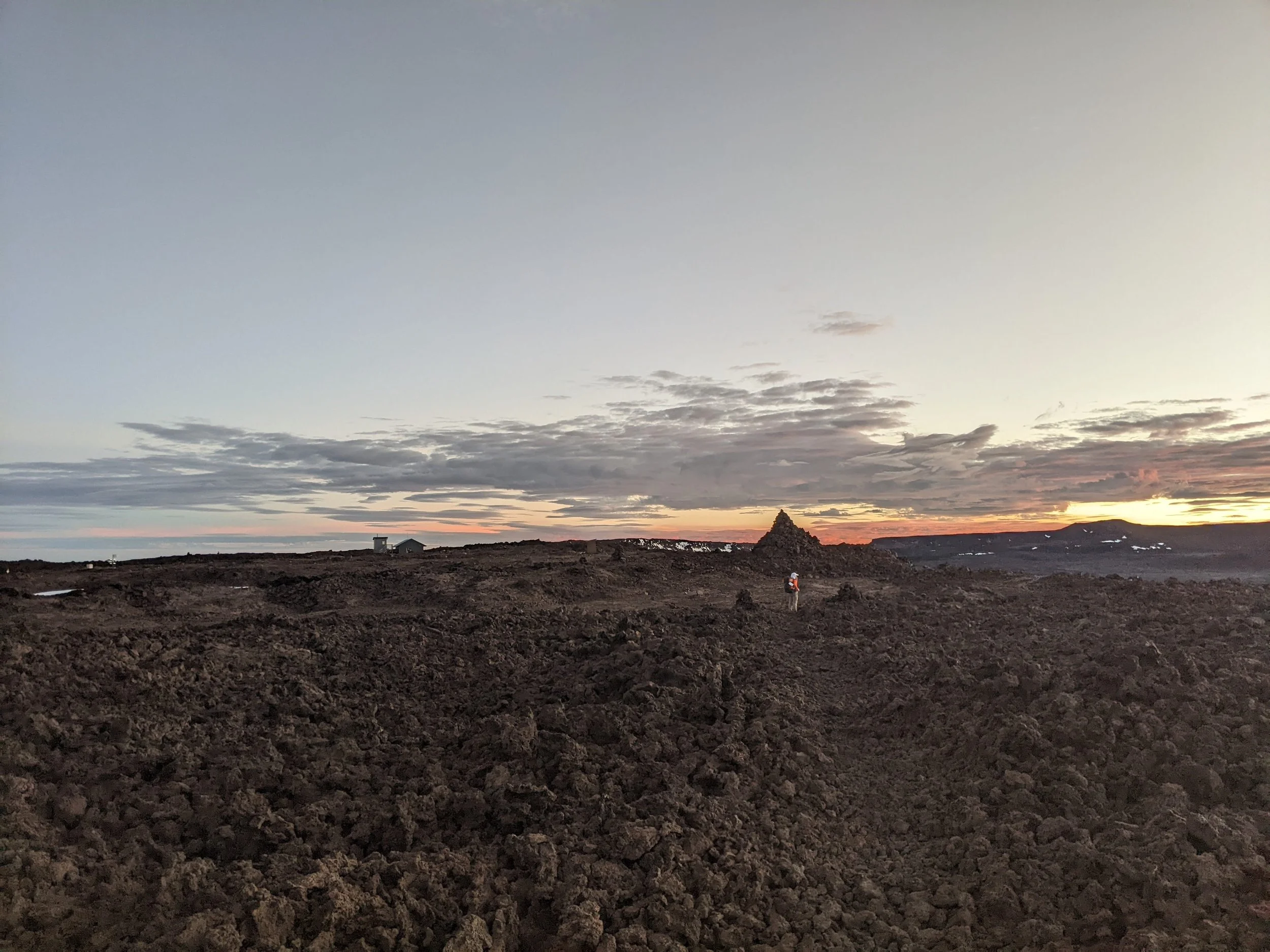
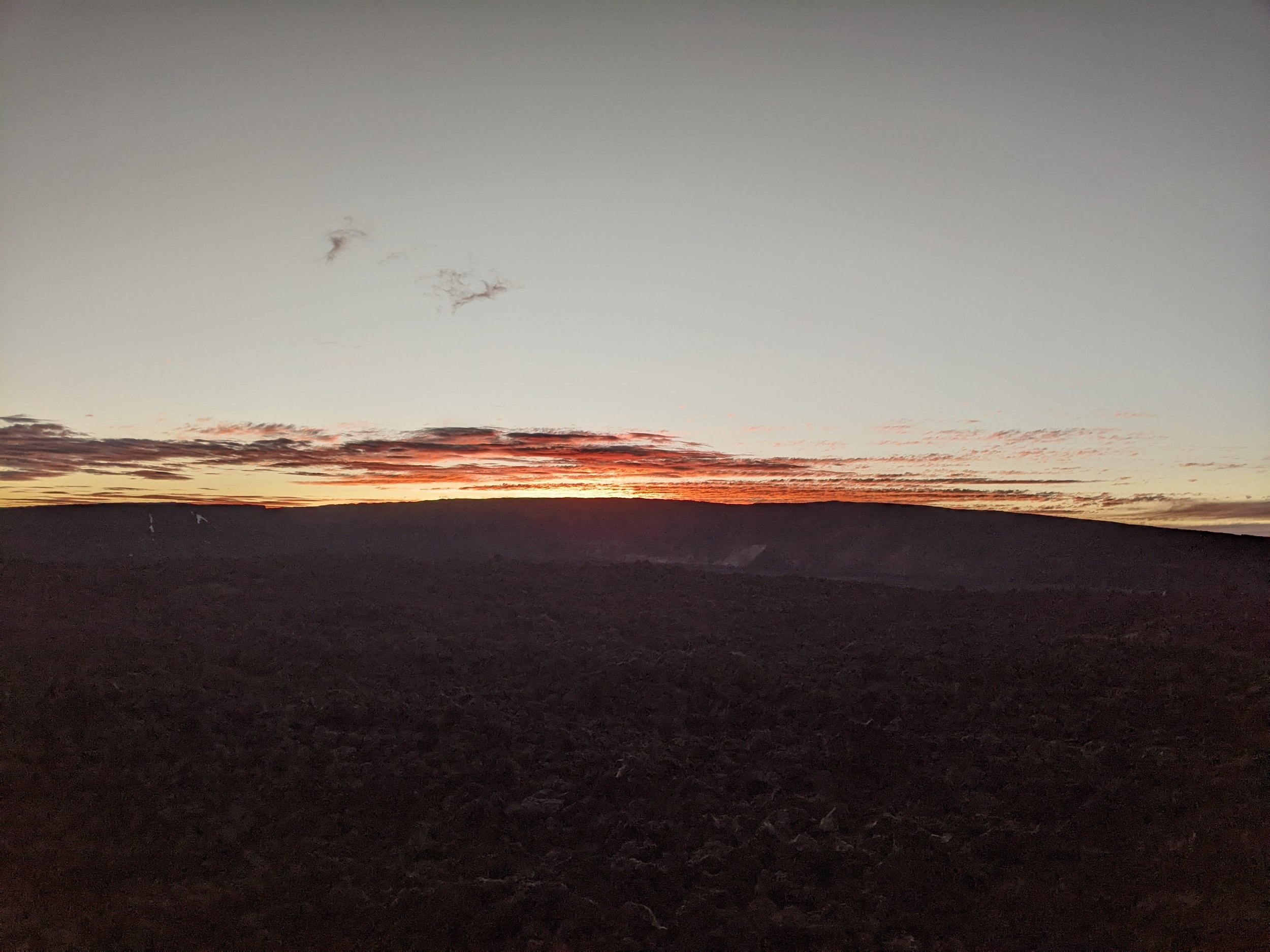
Next came a one-hour, roller-coaster drive over to the Mauna Loa Weather Observatory, where part two began at 2:45 PM. The trek from the observatory 11,150ft to the summit cabin 13,225ft was a grueling 6 miles with 2,400ft of technical gain. We finally arrived at the cabin at 6:45 PM. Those last two miles were pure grit—literally forcing one foot in front of the other as the air thinned out. Trekking across Mauna Loa felt entirely surreal. As the largest active volcano on Earth, its landscape is a striking desert of jagged aʻā and smooth, ropy pāhoehoe lava flow. These are deeply sacred mountains in Hawaiian culture, and I feel incredibly grateful to have been a part of their landscape for a day—and immensely thankful for a total stranger who believed we could pull off the impossible.