
Frequently Asked Questions
-
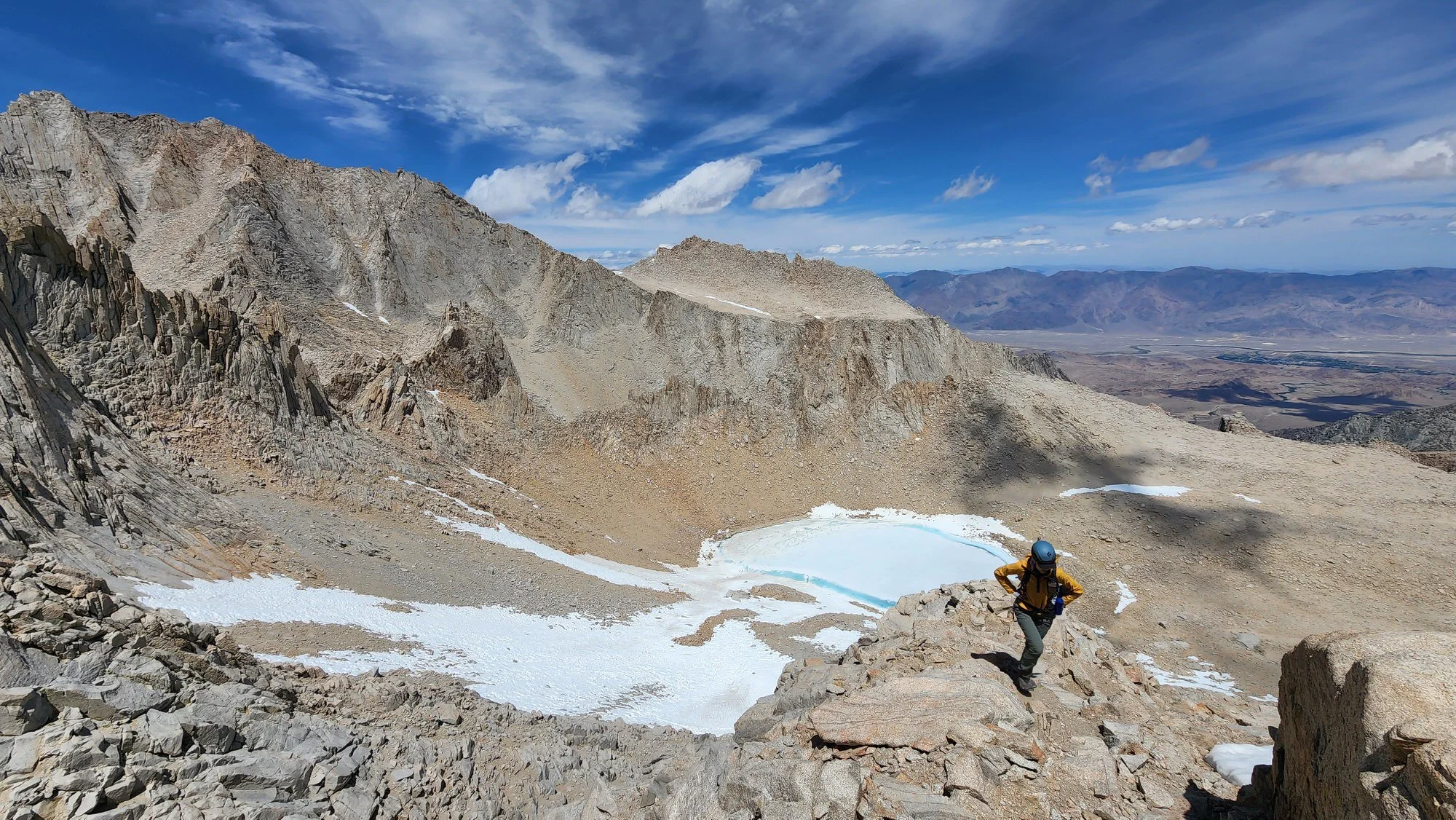
California contains 15 peaks that reach higher than 14,000 feet above sea level. There are 12 Traditional/Official 14ers that meet the standard 300-foot topographic prominence threshold required to be considered distinct, independent mountains. In addition, there are 3 Sub-Peaks (The "Palisade 14ers" Starlight Peak, Polemonium Peak, Thunderbolt Peak): Exceed 14,000 feet but have less than 300 feet of prominence from their neighbor peaks, though they are traditionally included in the full list of 15 California 14ers.
-
It varies - some are very difficult based on the terrain and distance from the trailhead, and some are relatively “easy”. Terrain Quality: Sierra scree, talus fields, and loose chutes are mentally exhausting and slow down pace dramatically. Severe high-altitude exposure, and extreme afternoon winds can also make the experience feel more difficult.
-
Begin by getting comfortable with hiking at speed, trail running, backpacking, and some exposure to rock climbing. Understand your pace, and your comfort level and limitations. Research extensively into the mountain: route, mileage, terrain, elevation etc.
-
July 2021: Langley, Williamson, Tyndall
July 2021: Shasta (Clear Creek)
May 2022: Whitney (MR), Muir
July 2022: Middle Palisade
August 2022: Russell, Split
July 2023: Shasta (Avalanche Gulch)
July 2025: Whitney (High Sierra Trail), White Mountain, North Palisade, Polemonium, Sill.
-
https://www.summitpost.org/, alltrails,peakbagger, mountain project, mountain forecast, facebook groups