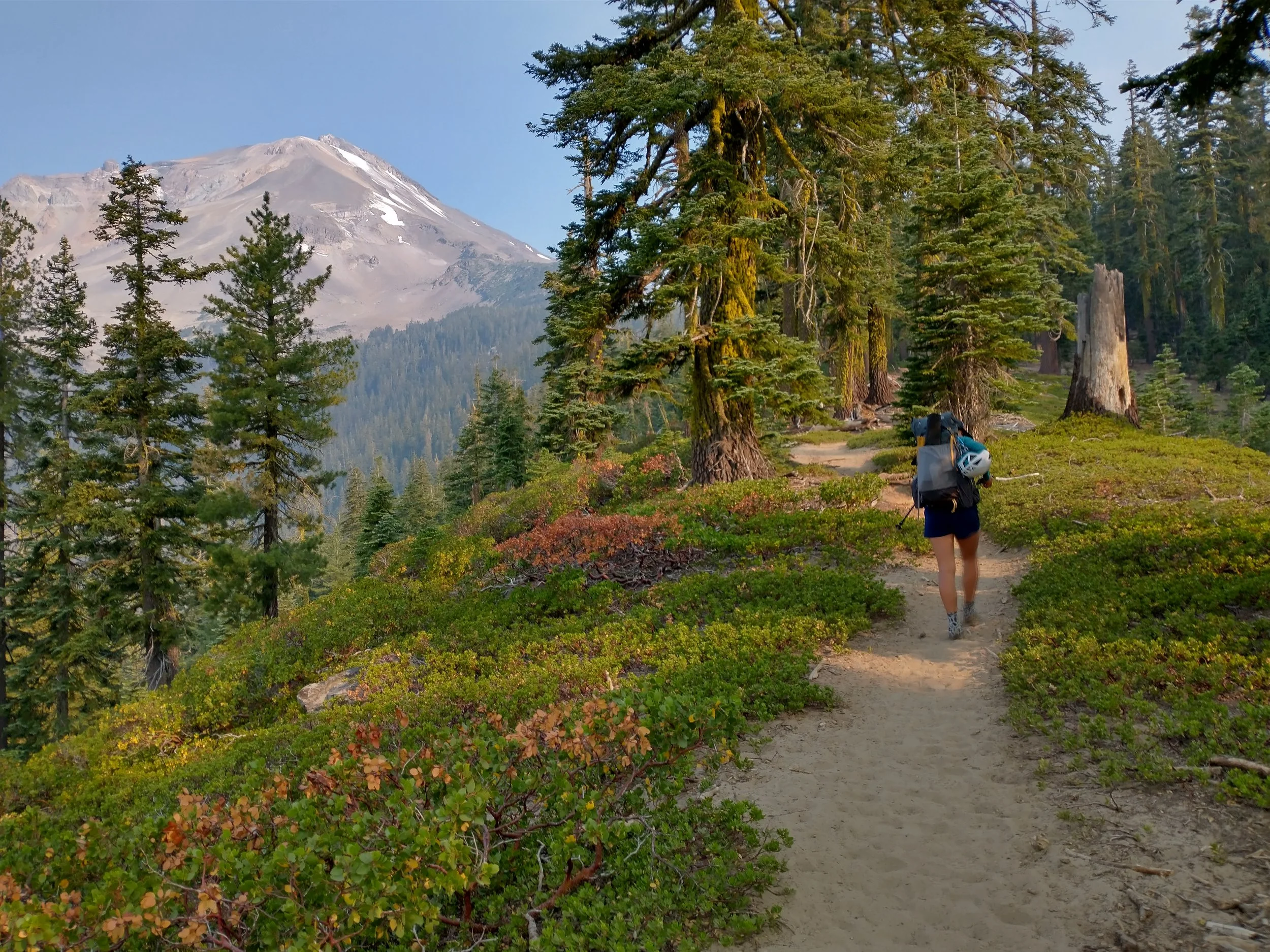
Mount Shasta (14,163 feet) via Clear Creek: A Story of Grit, Determination, and Doing It Alone
There is a massive difference between a day hike and summiting a high-altitude peak. Hikes like Mount Shasta aren't just physical endurance tests—they are all-day mental battles, and reaching the top is only possible if your mind wants it enough to push past everything else.
Looking back to July 2021, I was coming off a massive block of high-altitude training: just two weeks prior, I had completed a 6-day trek through the Sierra Nevada, knocking out three 14ers along the way. Physically, my legs were deeply conditioned. Mentally, I was operating on pure grit. I also knew my logistics inside and out—I was super comfortable navigating with AllTrails, making sure to download the map beforehand and flipping my phone to airplane mode as soon as I hit the trail to preserve battery.
With that baseline under my belt, here is how my journey on Shasta’s Clear Creek Route unfolded over two relentless days.
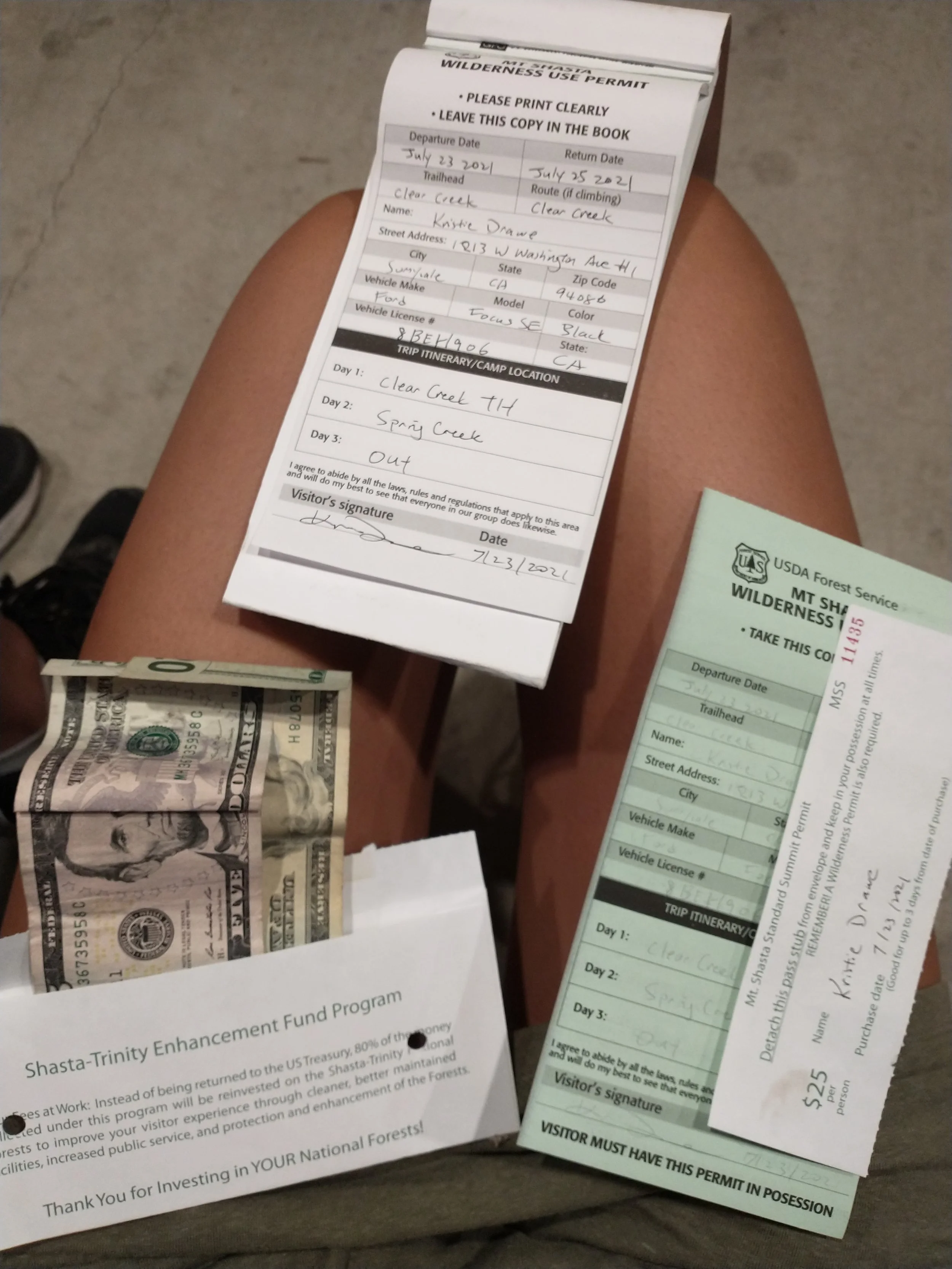
Climbing Mount Shasta via the Clear Creek route requires two permits and no general parking/entry fees.
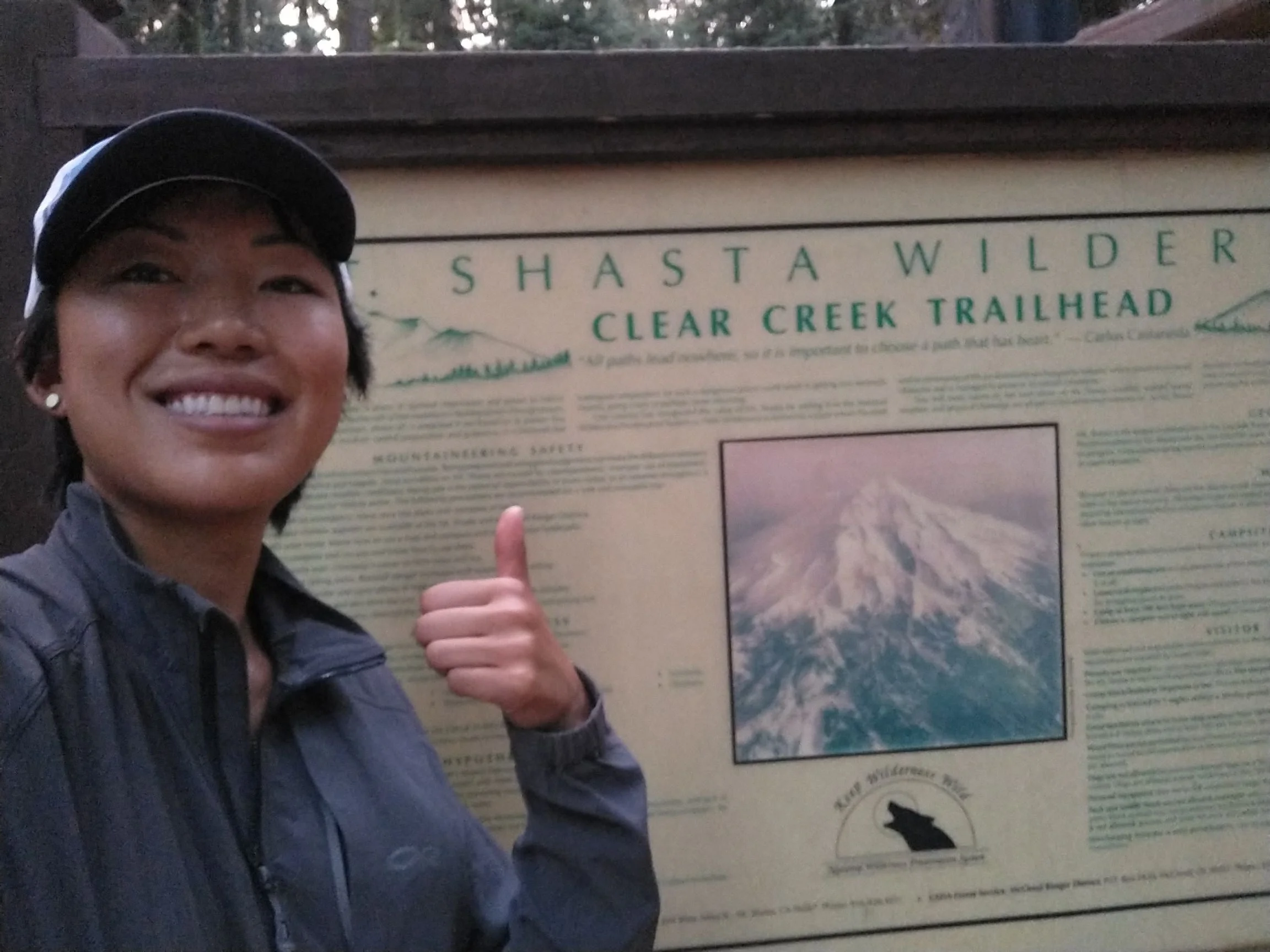
Wilderness Permit: Self-issue at the Clear Creek Trailhead kiosk or local ranger stations. Required year-round for entering the Mount Shasta Wilderness. No advance quotas or reservations are needed.
Summit Pass: $25 (3-day)/or $30 (Annual). Self-issue envelope at the trailhead kiosk, or purchase in person at the Mt. Shasta / McCloud Ranger Stations.Required for anyone traveling above 10,000 feet, even if you don't reach the summit. Valid for up to 3 days. Free for ages 15 and under.
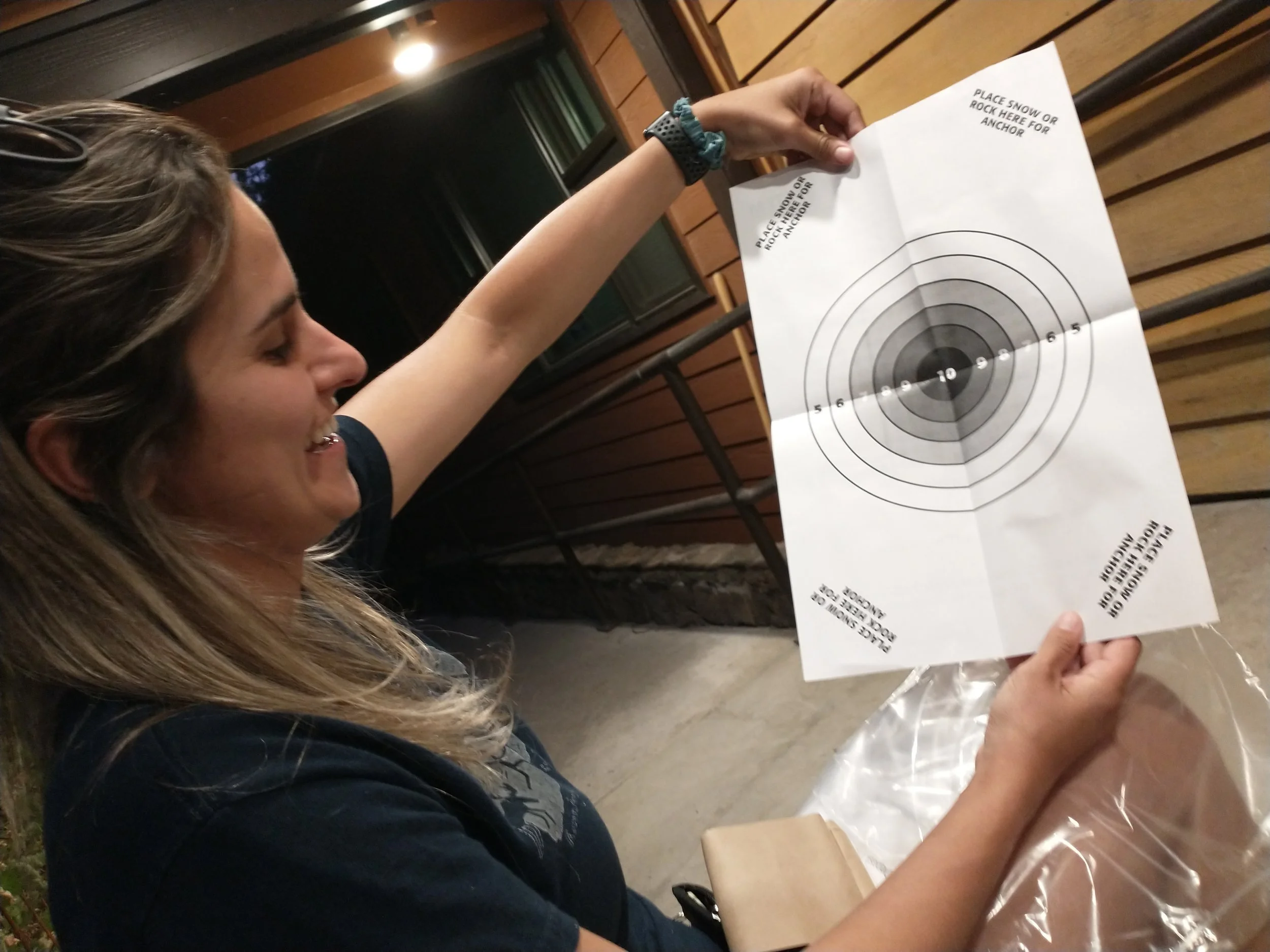
Additional Logistics & Regulations
Human Waste Pack-Out (Pack-It-Out Bag): You are legally required to pack out human waste in the Mount Shasta Wilderness. Free waste pack-out bags (WAG bags) are available in the bin at the Clear Creek trailhead kiosk and restrooms.
California Campfire Permit: Free and required if you plan to use a backpacking stove (open wood fires are strictly prohibited in the wilderness area). You can fill this out online for free prior to your trip.
Group Size & Rules: Maximum party size is 10 people, and dogs are not permitted in the wilderness area.
Pro Tip: Make sure to bring cash (exact change) or a check if you plan to self-issue your $25 Summit Pass at the trailhead kiosk, as the fee envelopes are drop-box based. Alternatively, grab it ahead of time at the Mt. Shasta Ranger Station or The Fifth Season gear shop in town. Clear Creek Forest Service Road (Road 31/41N15) is dirt/gravel and high-clearance is recommended; verify road conditions with the Shasta-Trinity National Forest before heading out.
Day 1: High Hopes, Hard Decisions
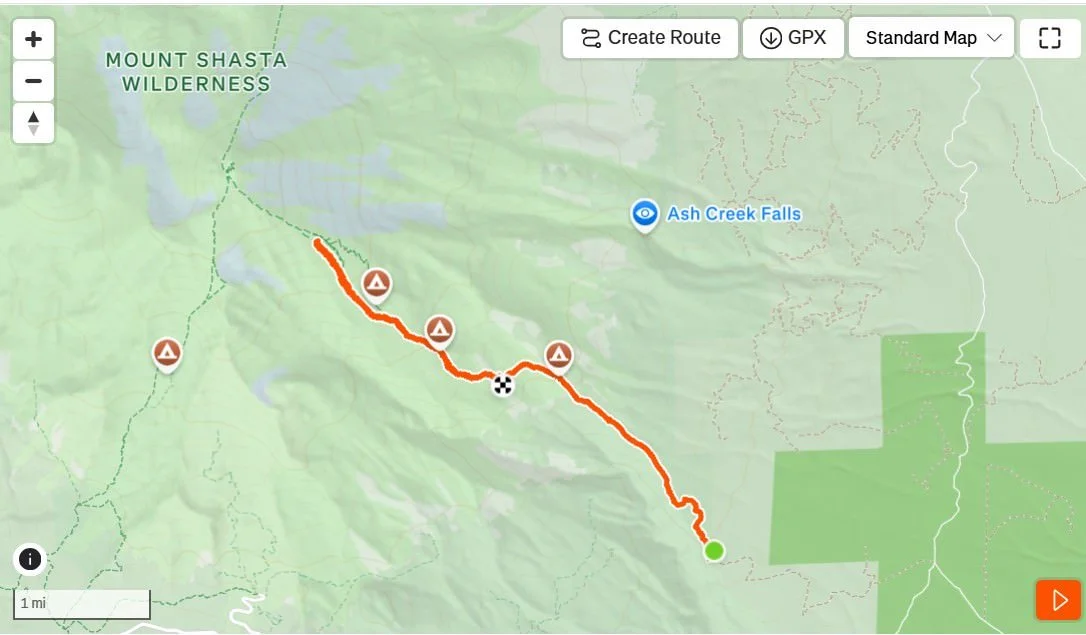
(8 miles | 6,200 ft elevation gain)
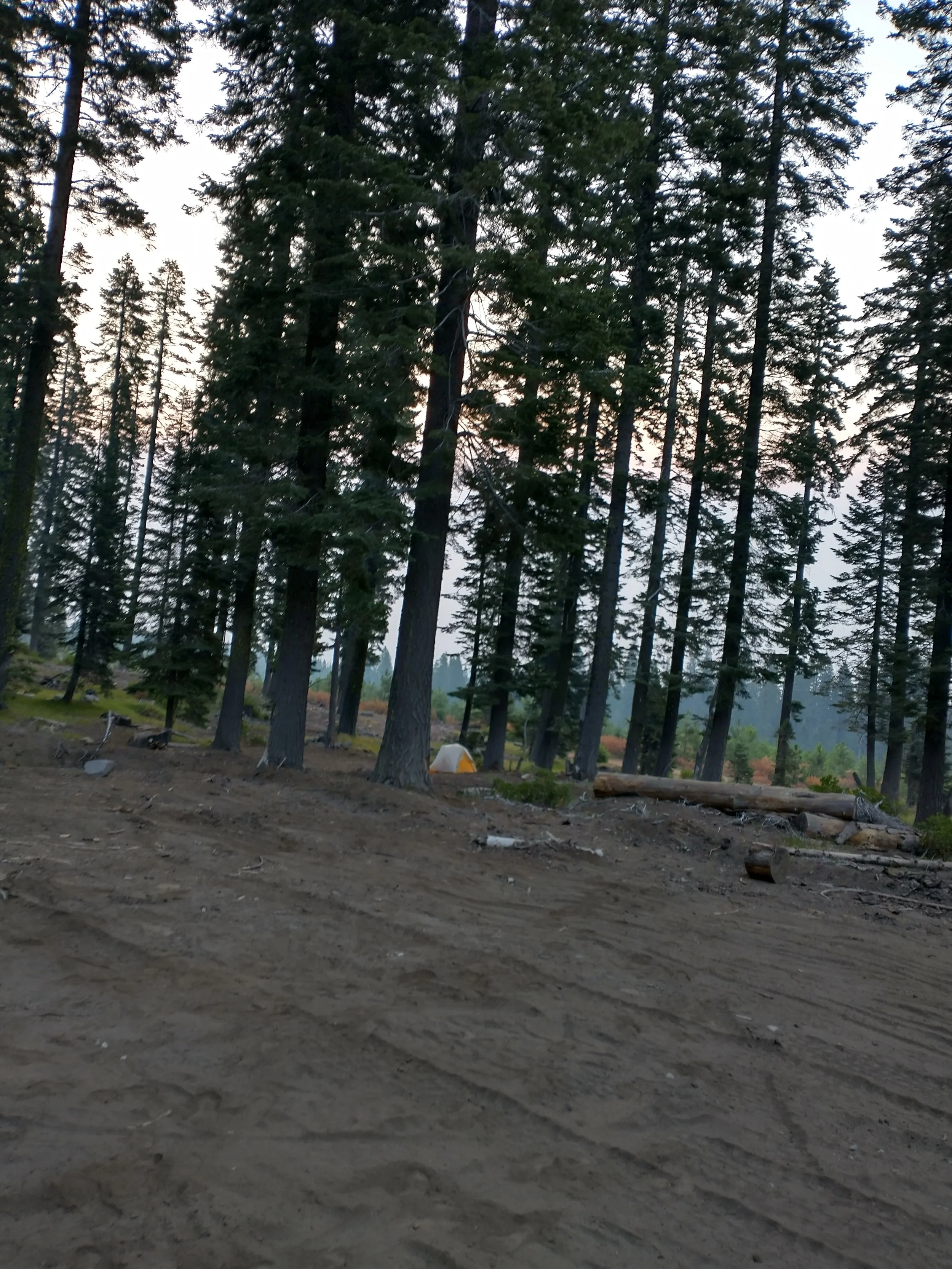
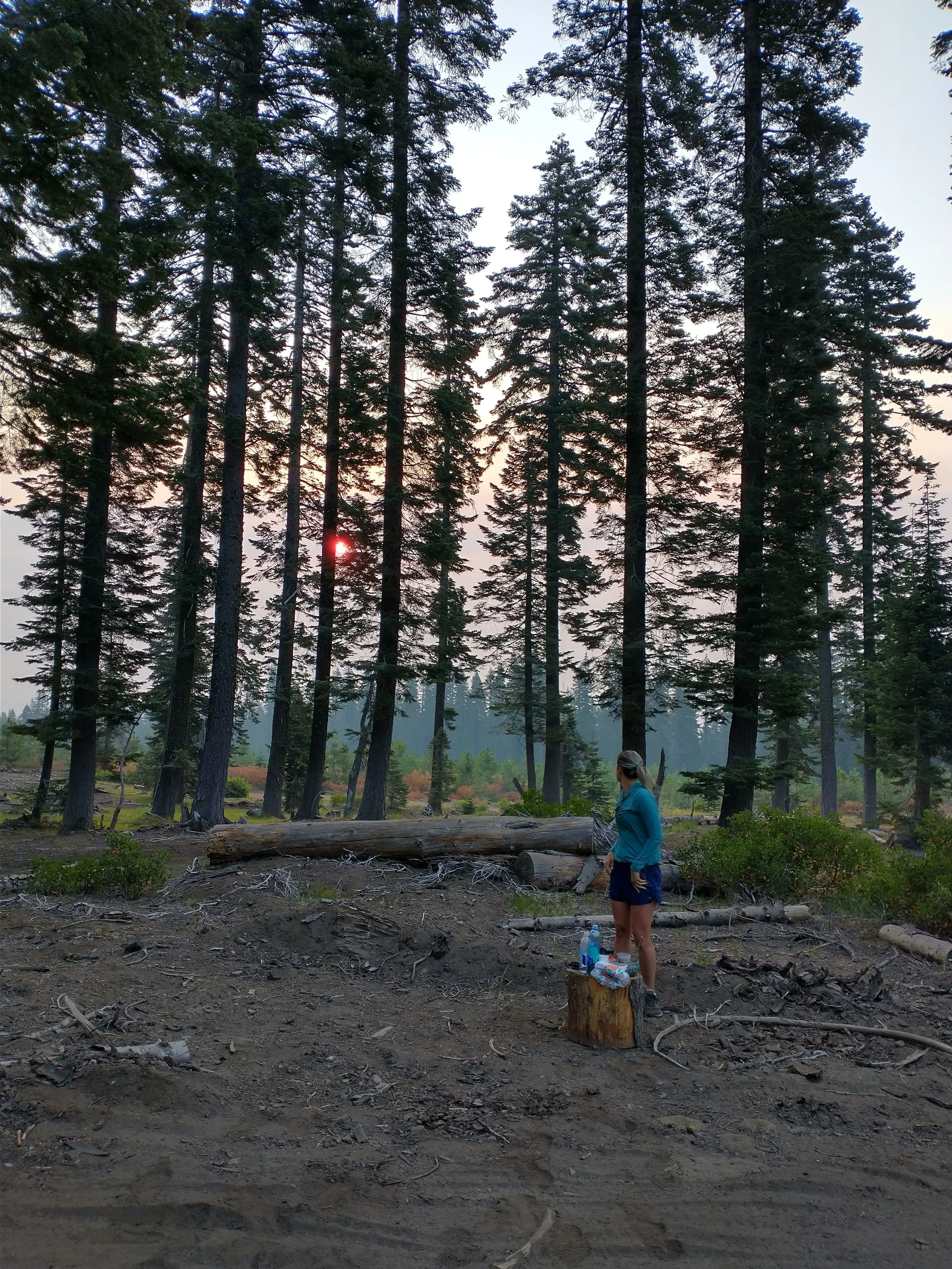
The adventure started the day before the main group arrived. I met up with Gleici near the trailhead, where we set up camp for the night. I had driven my trusty Ford Focus, but the road up to Clear Creek is notoriously rough. I ended up pulling over and parking right where I knew my car’s clearance had met its limit.
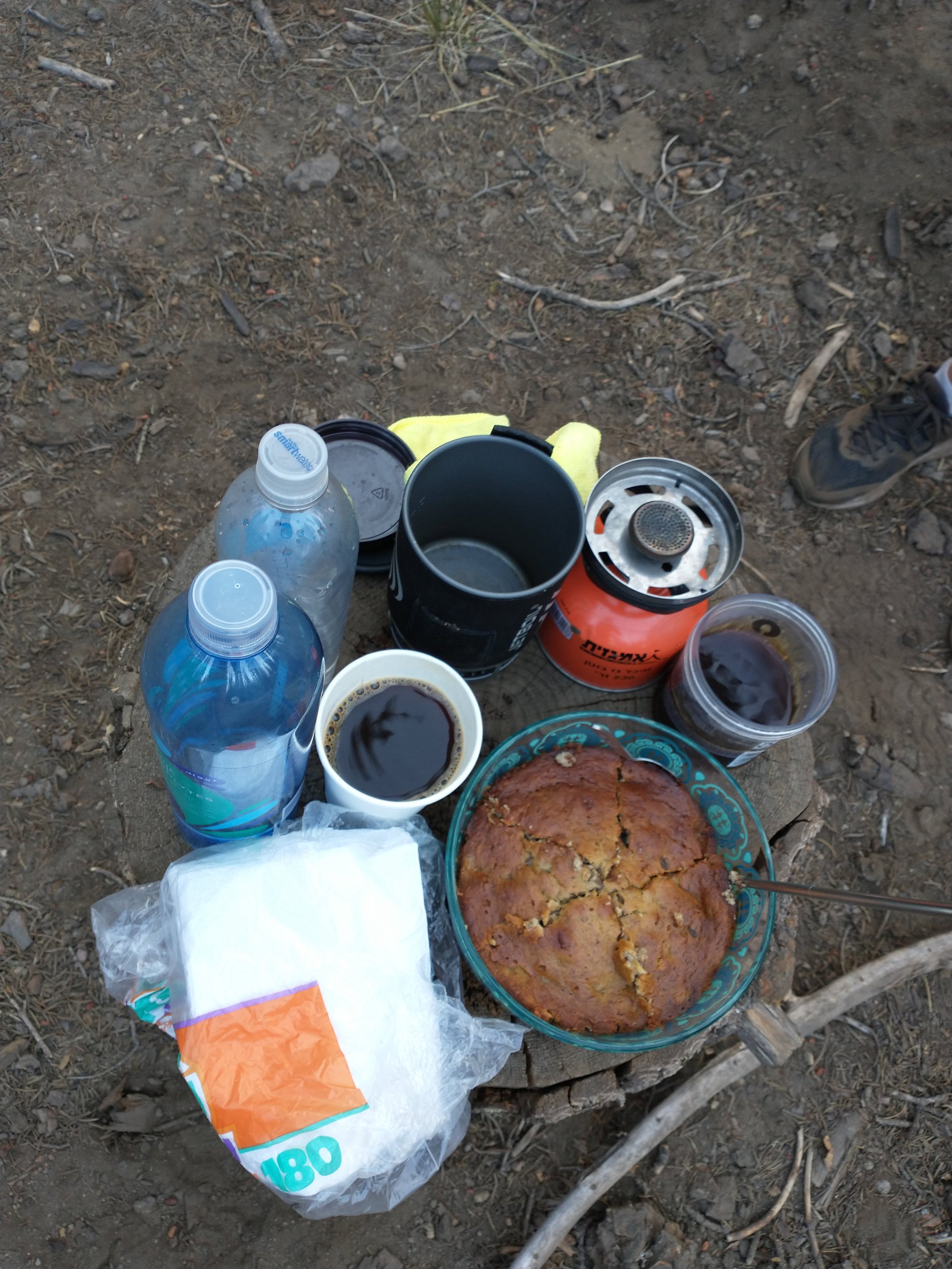
The plan was to wait for the rest of the crew to arrive the next morning and catch a lift with them to the actual trailhead. Gleici and I had coffee and enjoyed some homemade banana bread I like to bring for sharing. To my absolute delight, all three cars pulled up right on time the next morning—a miracle for group logistics!
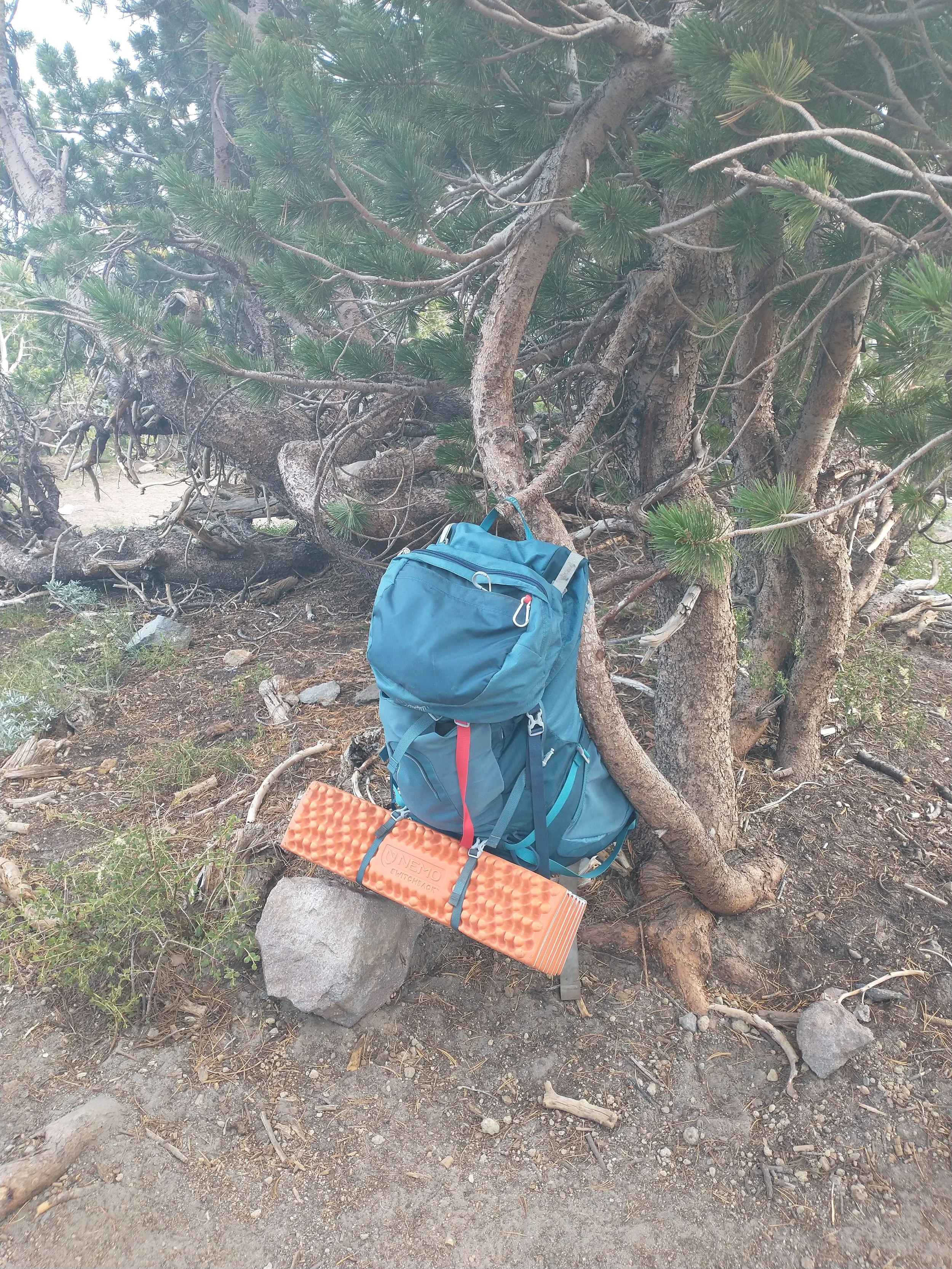
We hit the trail, carrying our gear up toward high camp. There was a quick debate about whether we should set up our tents right then or keep pushing. Wanting to maximize daylight, we opted to drop our heavy packs, keep climbing, and set up camp on the way back down.
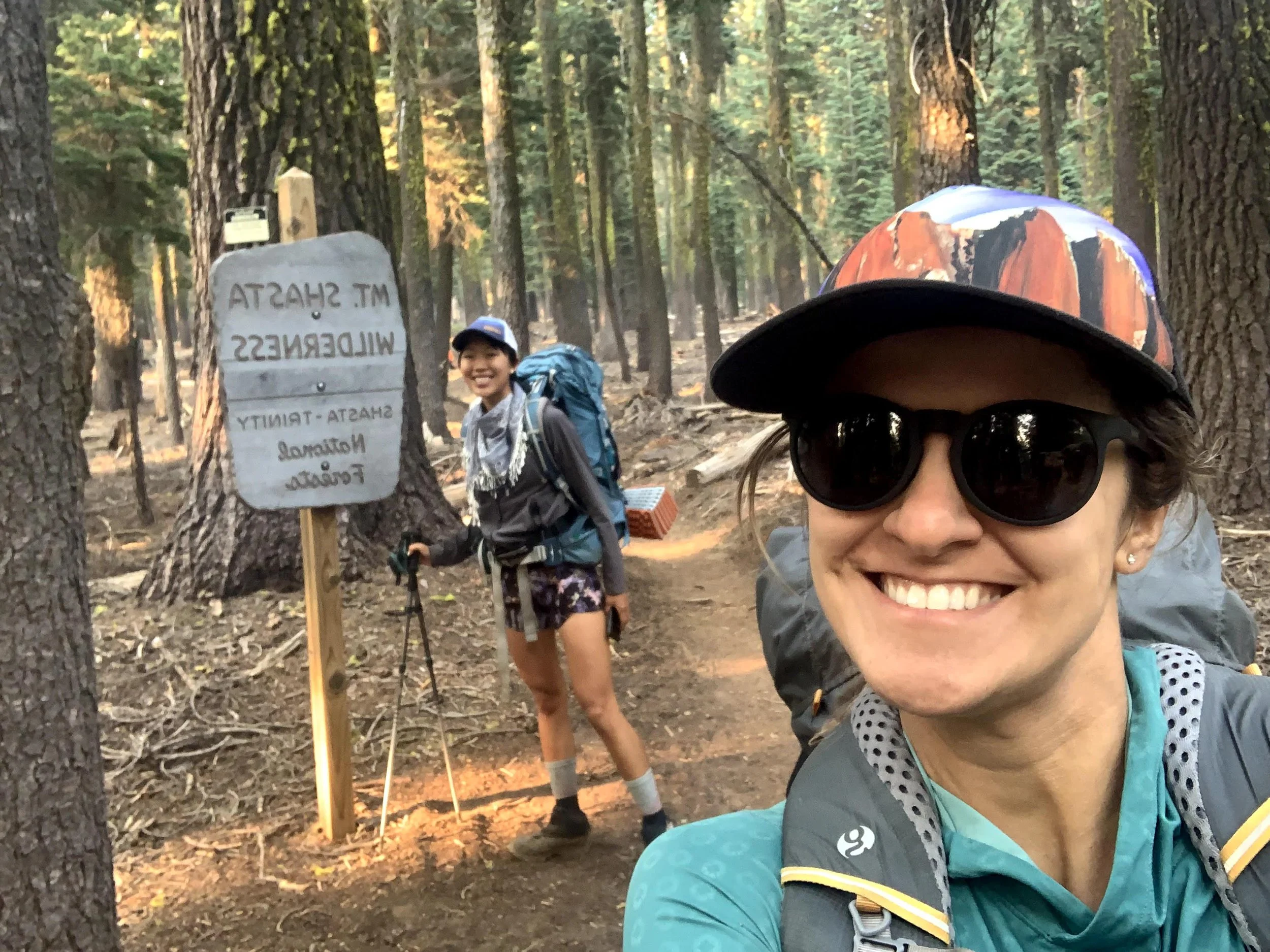
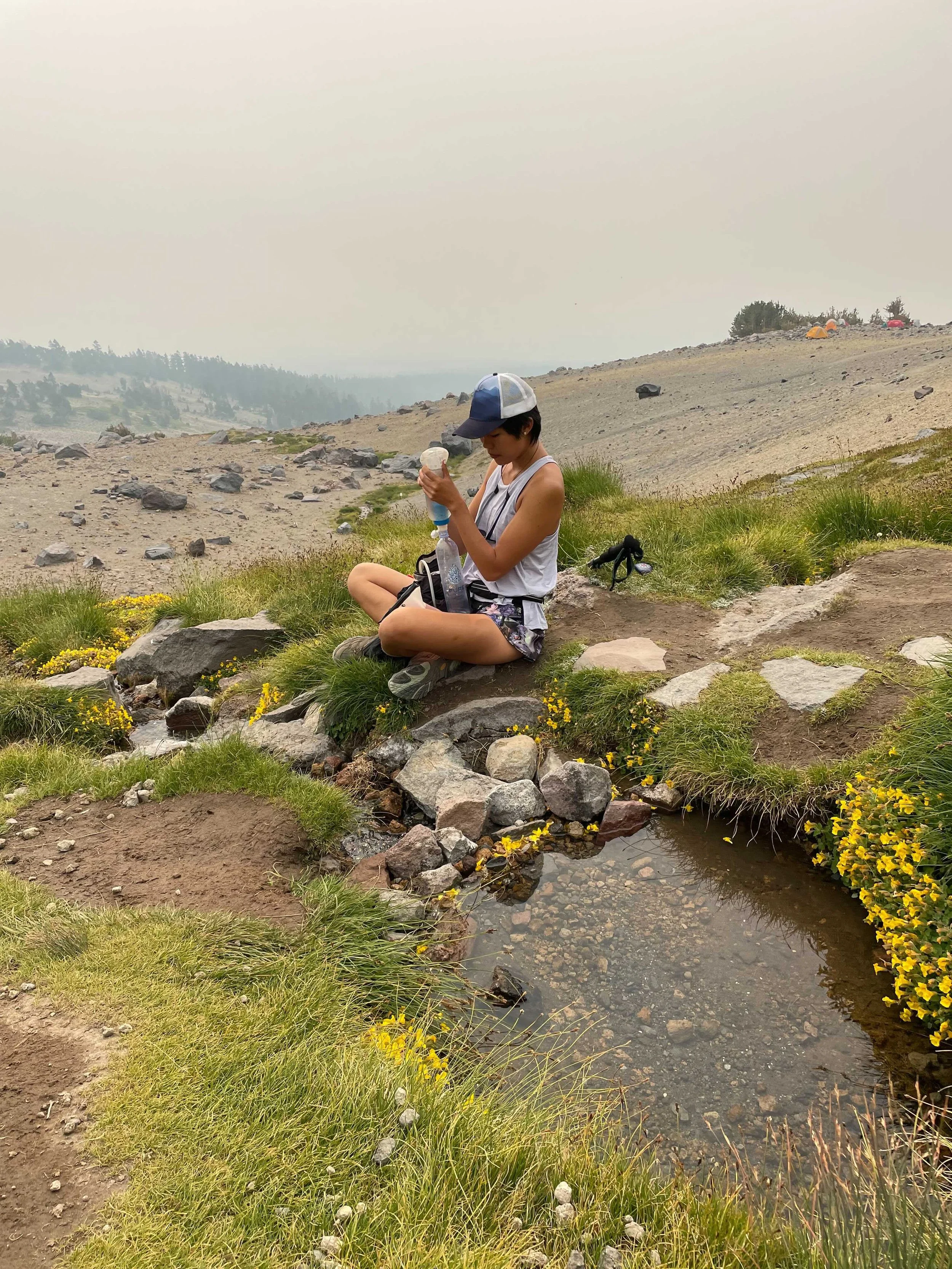
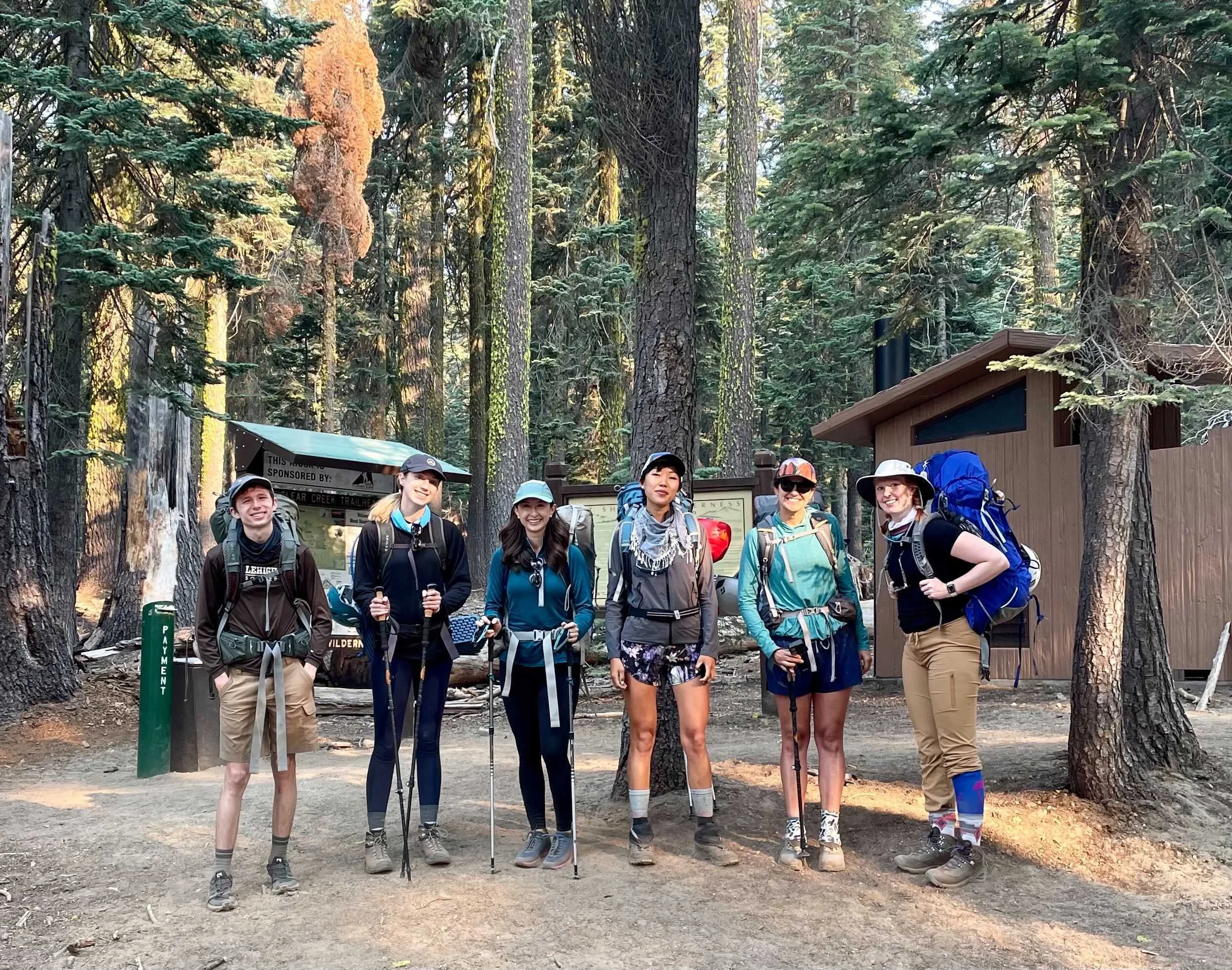
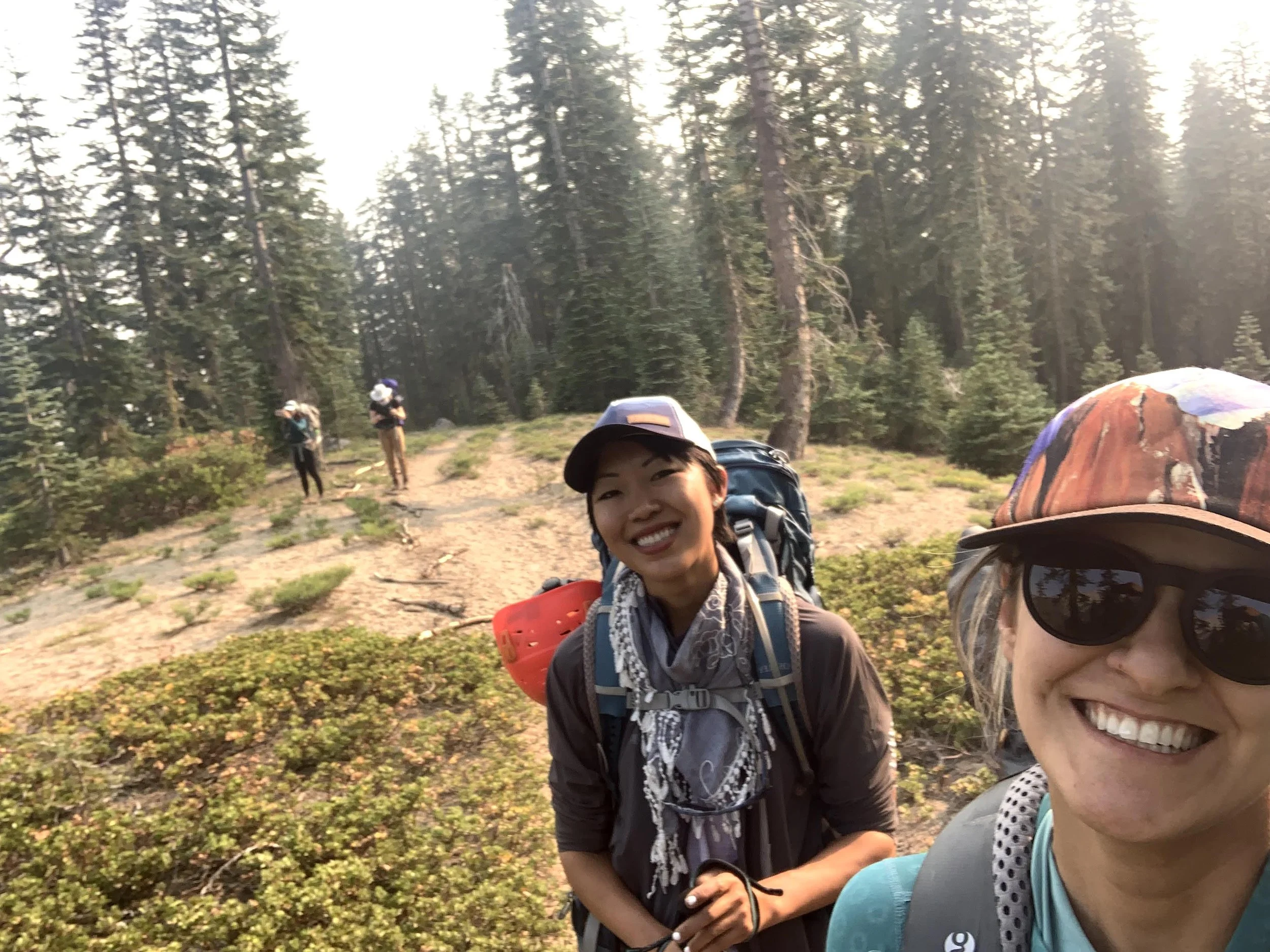
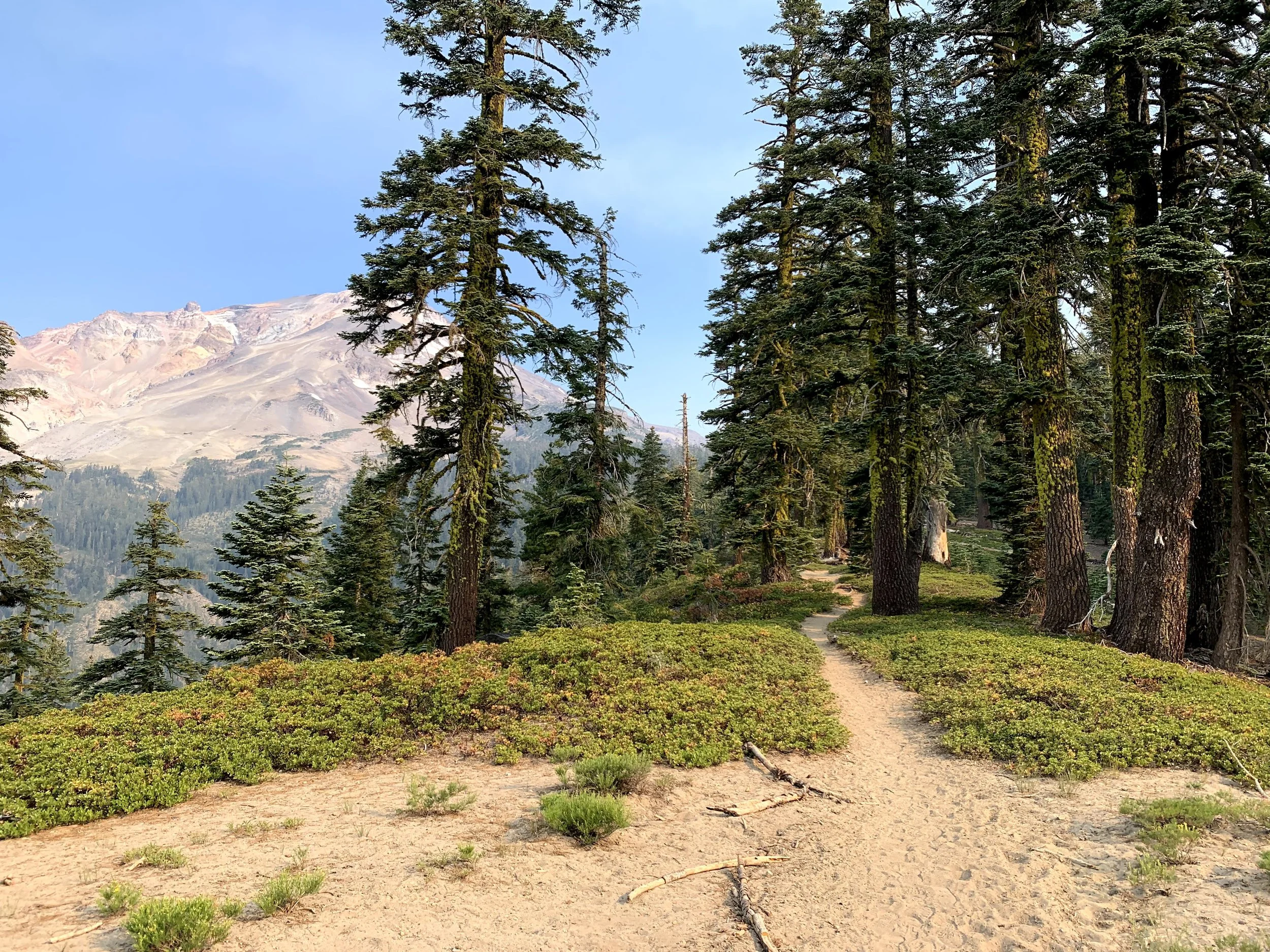
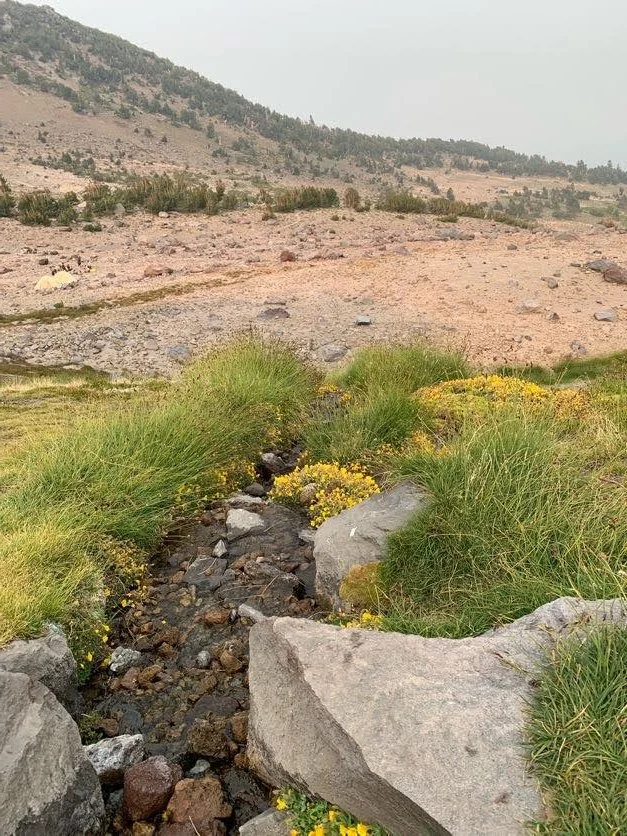
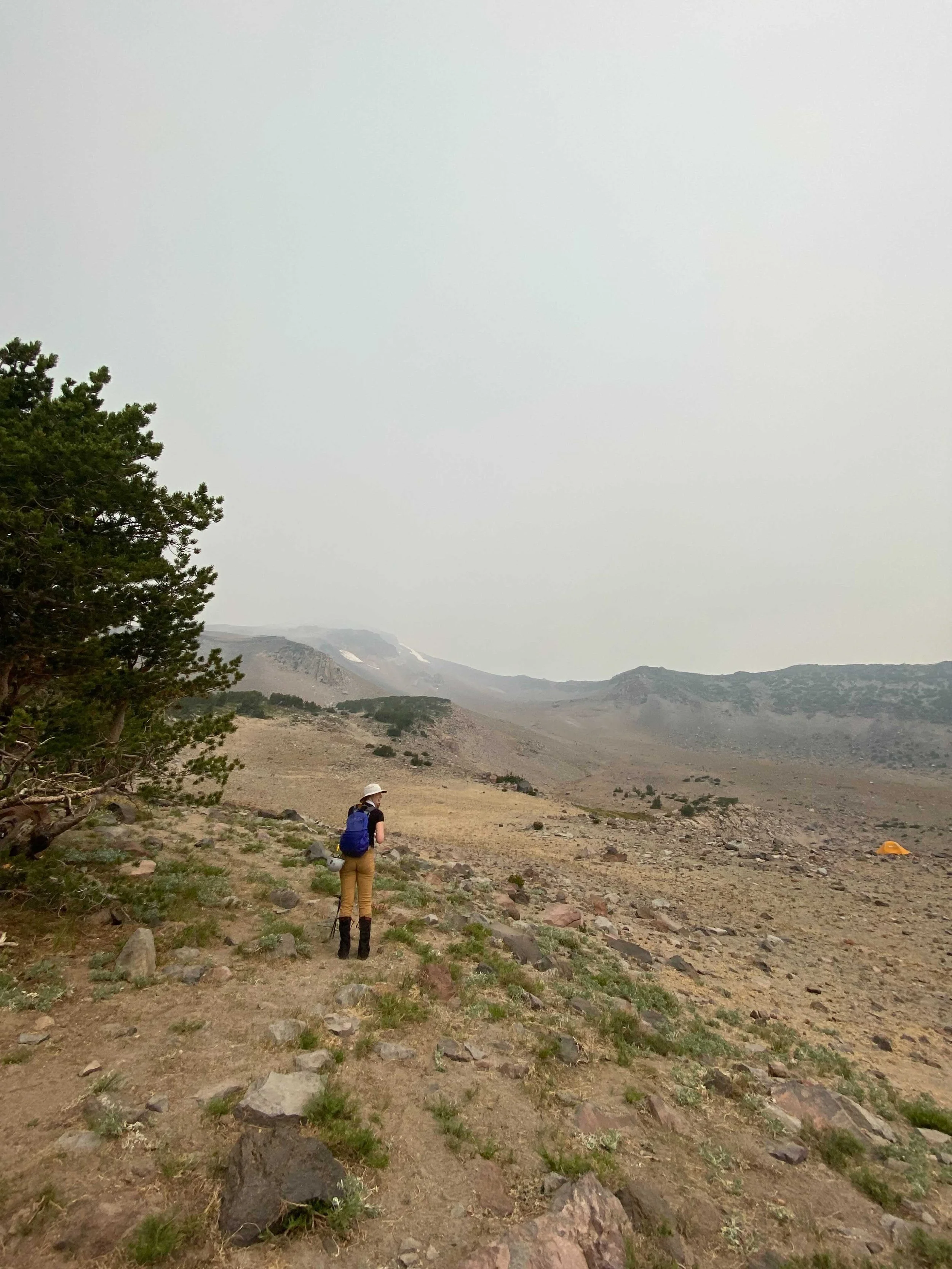
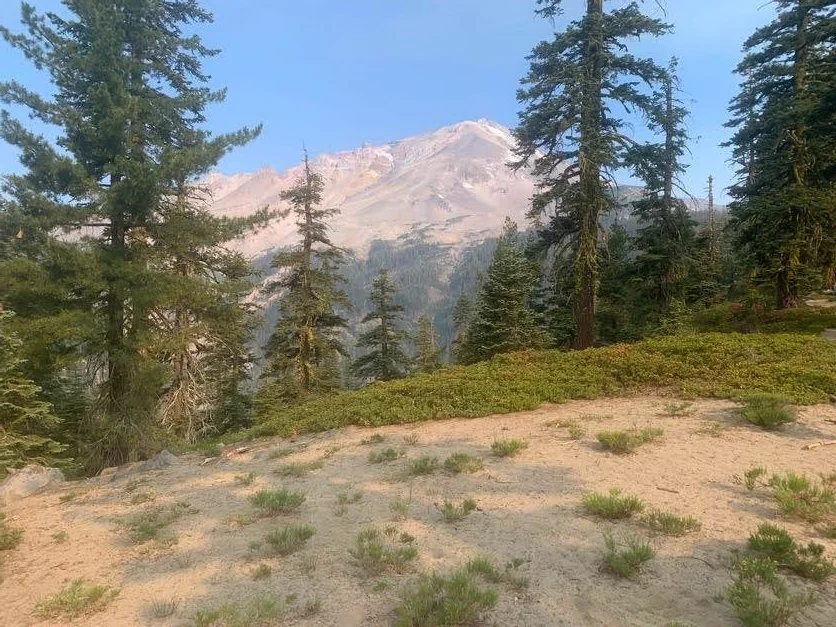
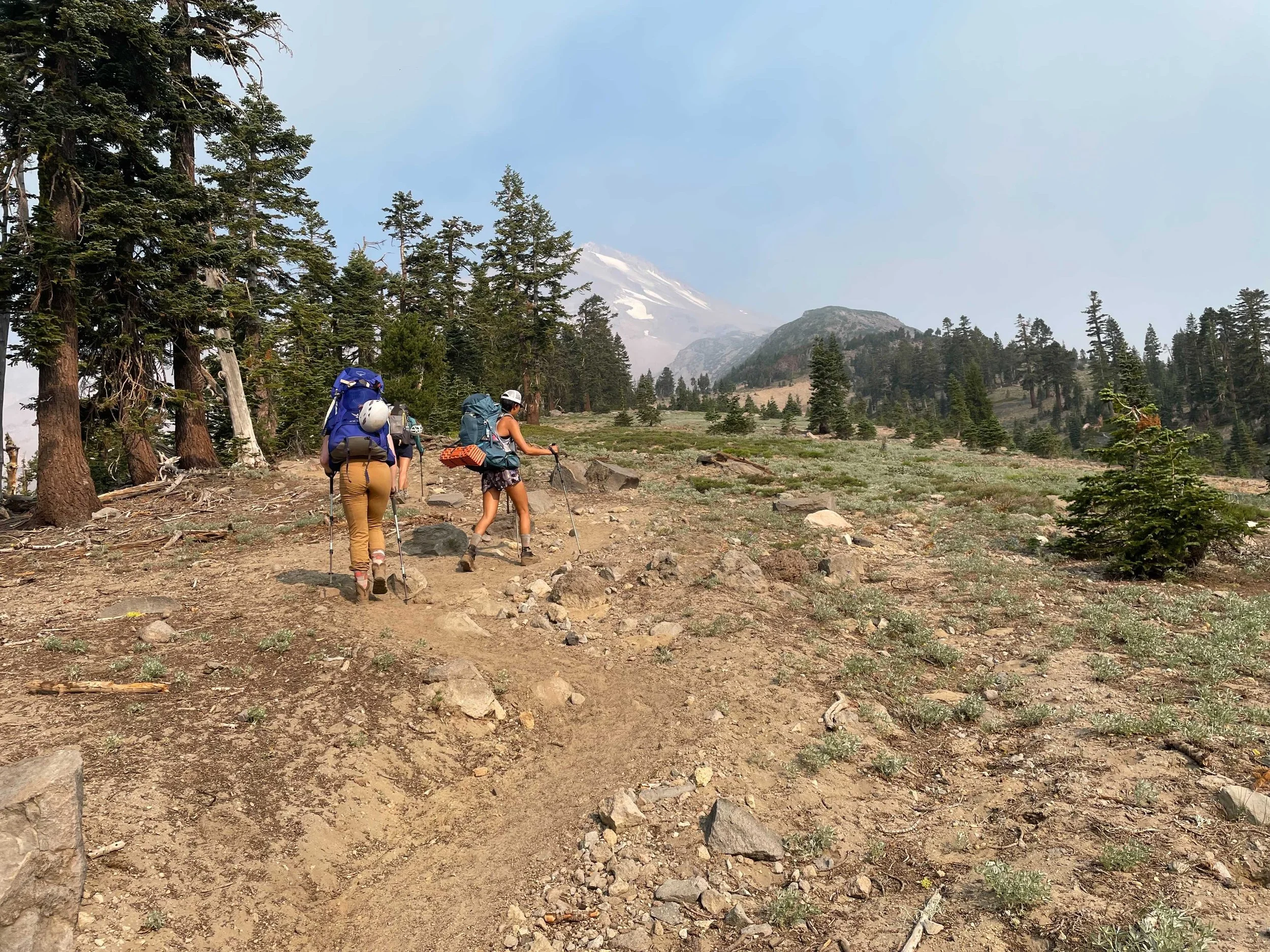
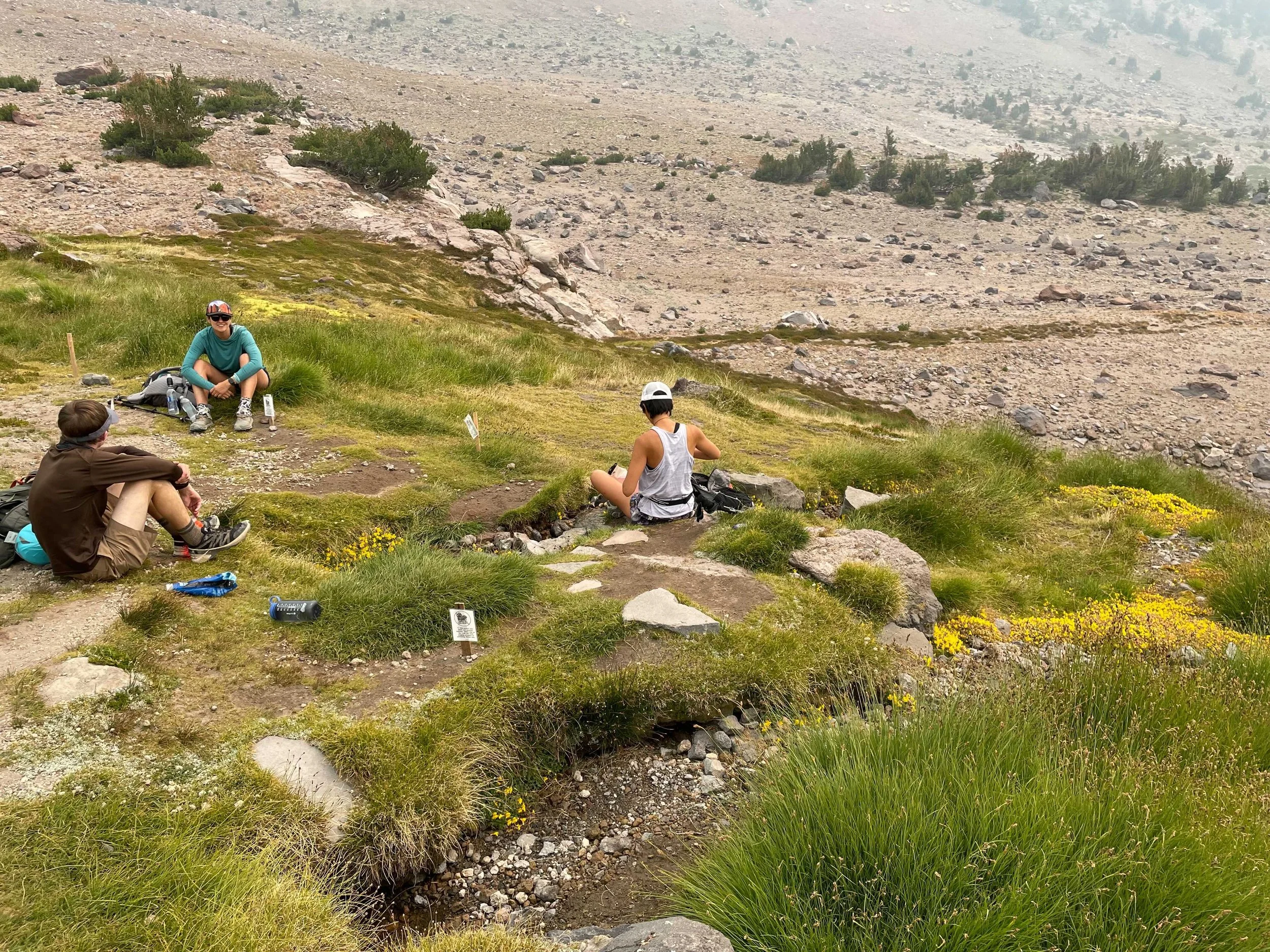
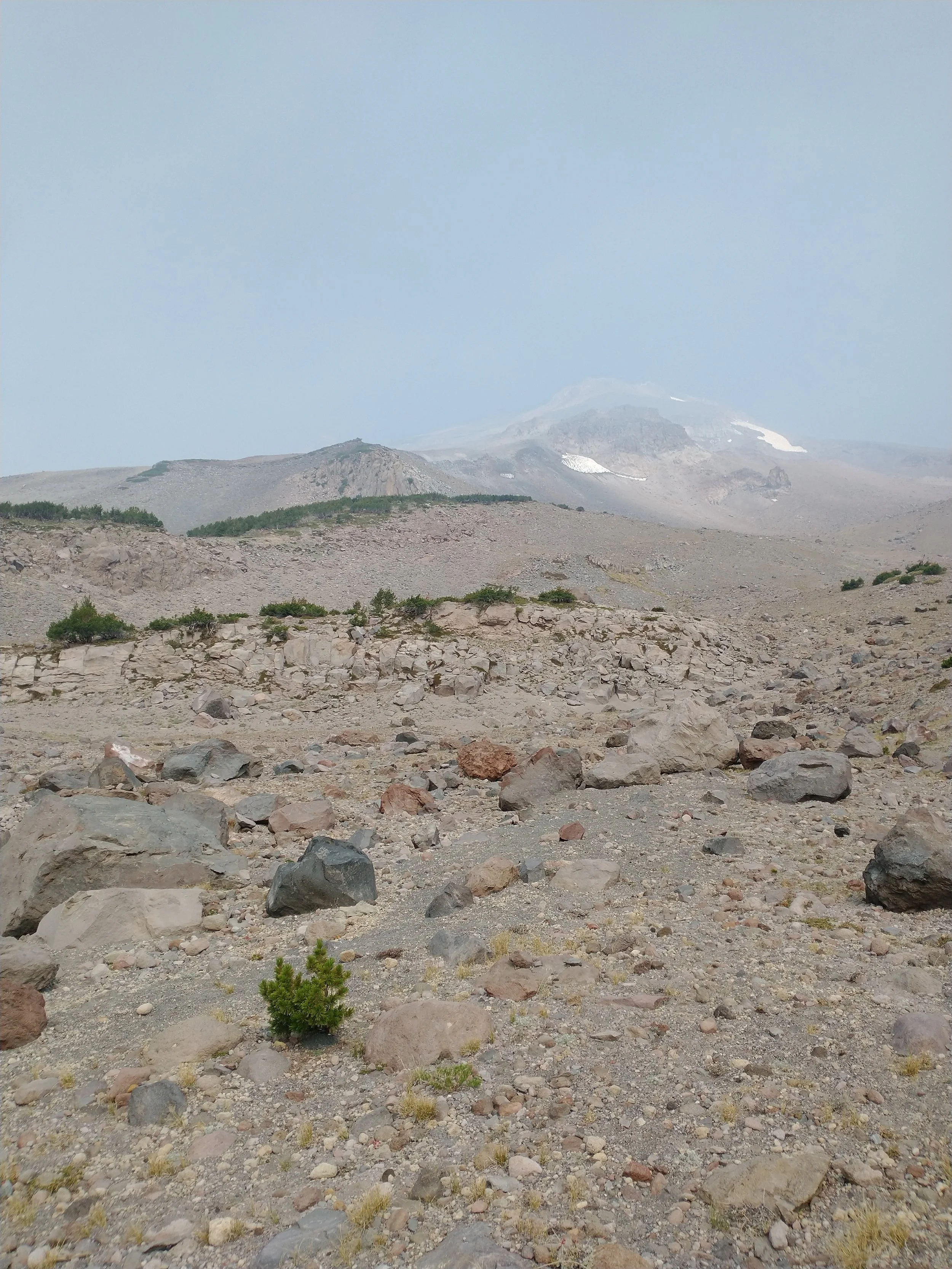
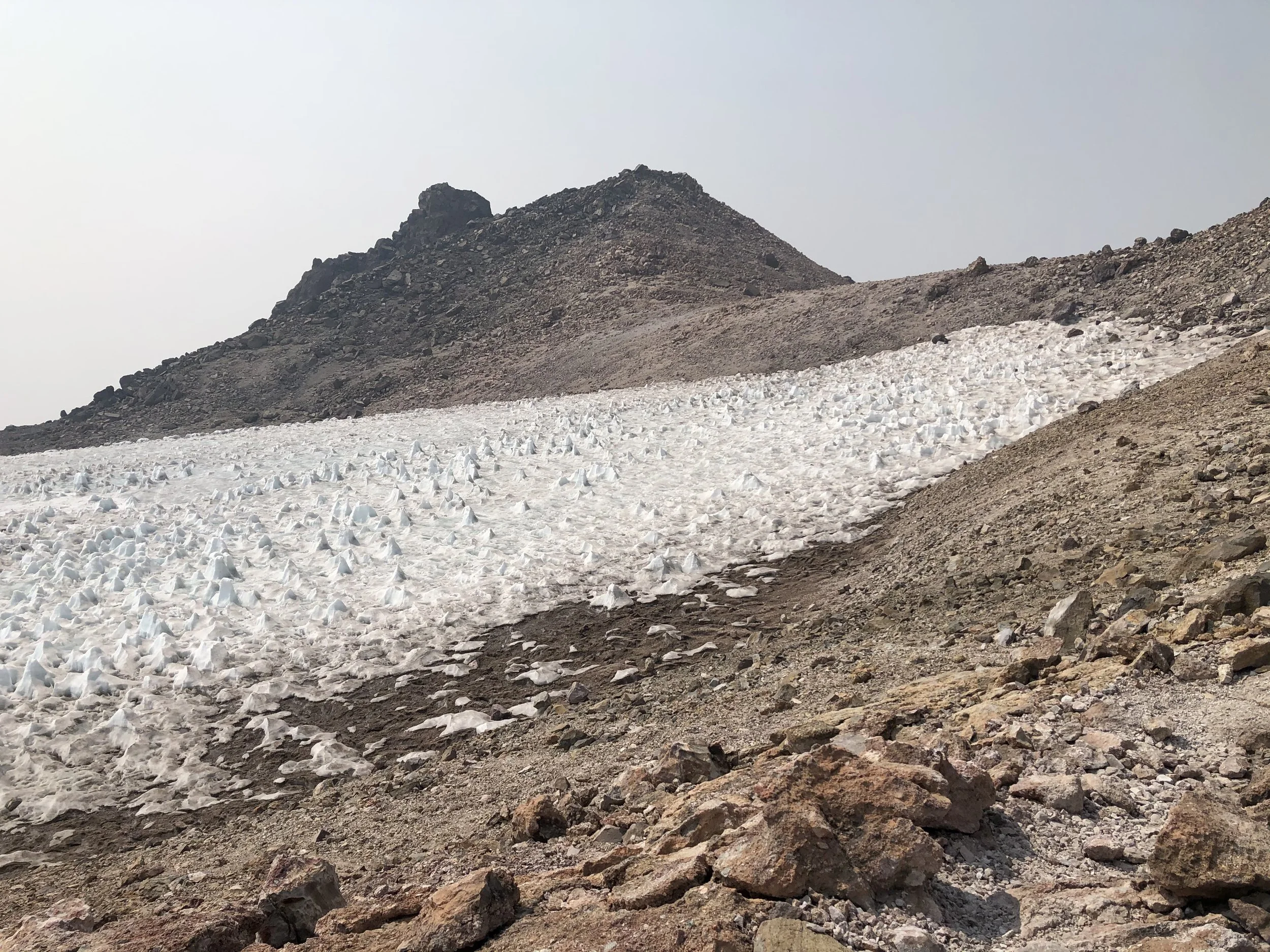
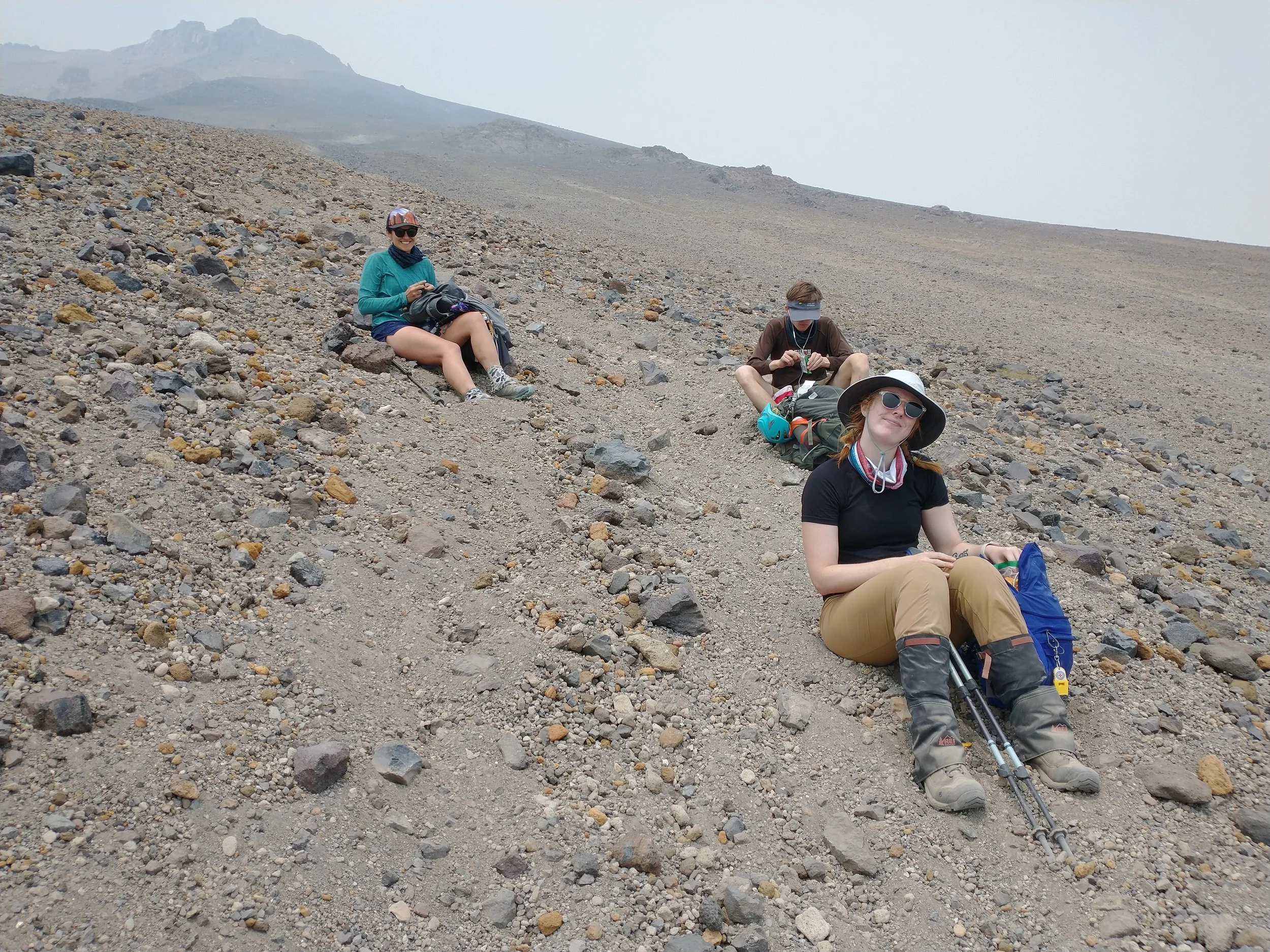
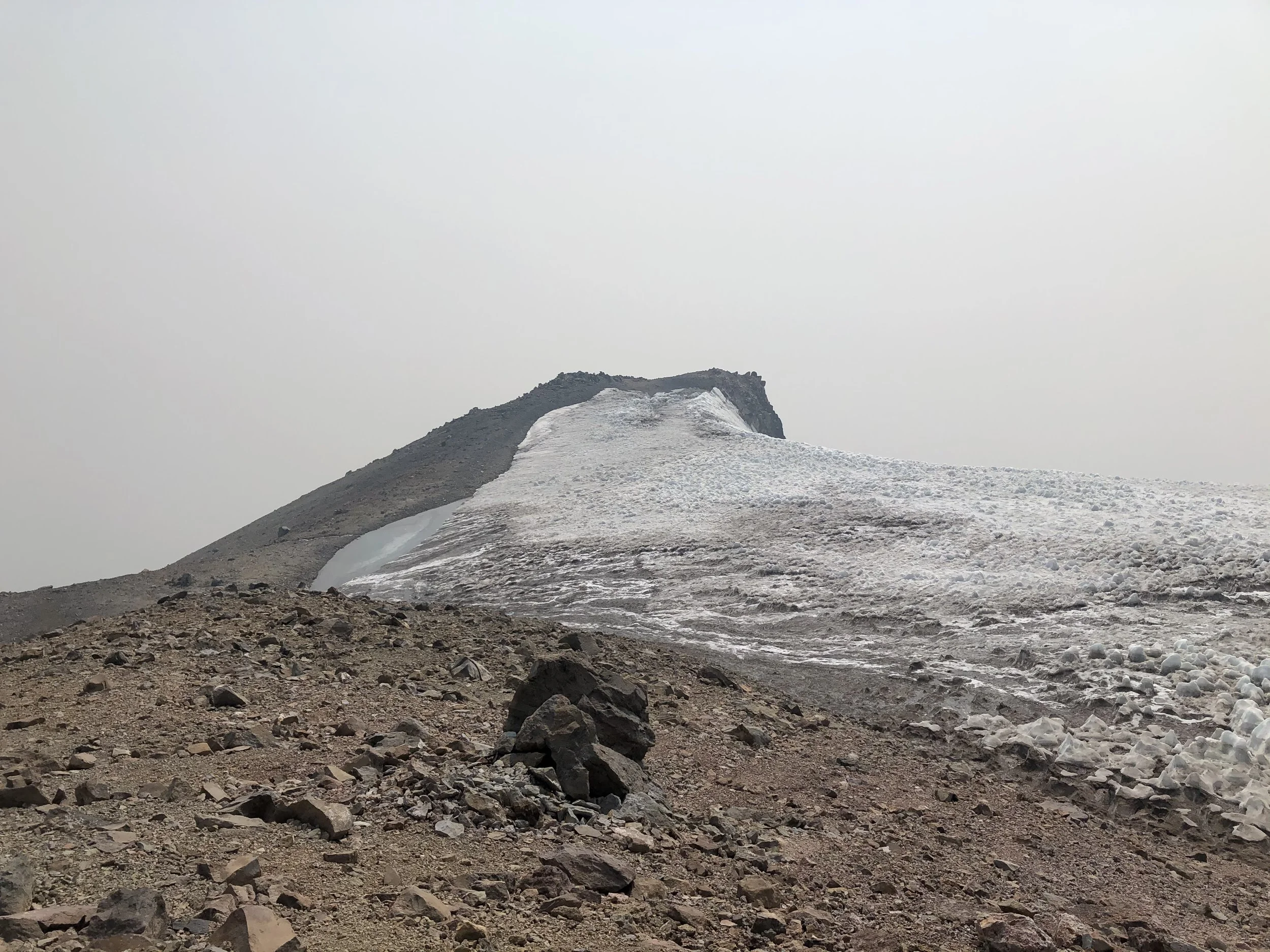
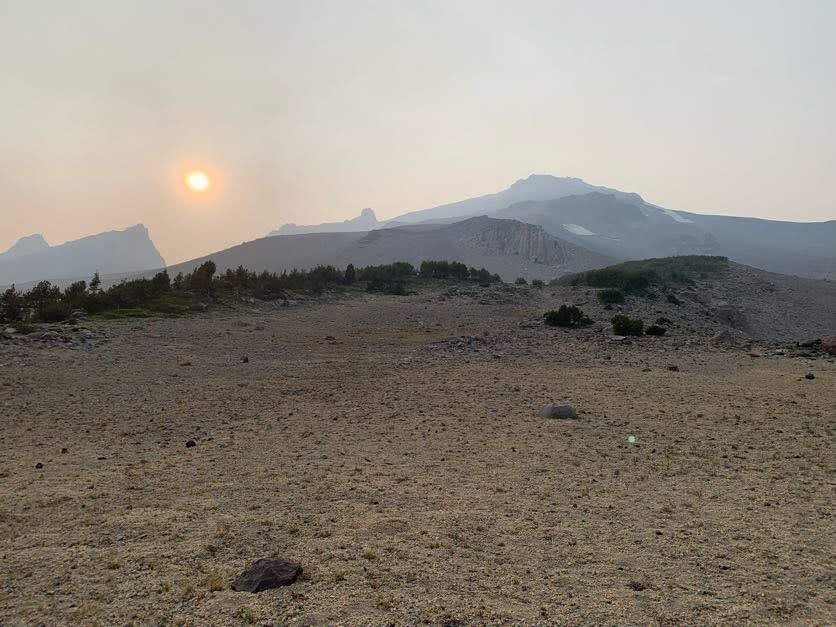
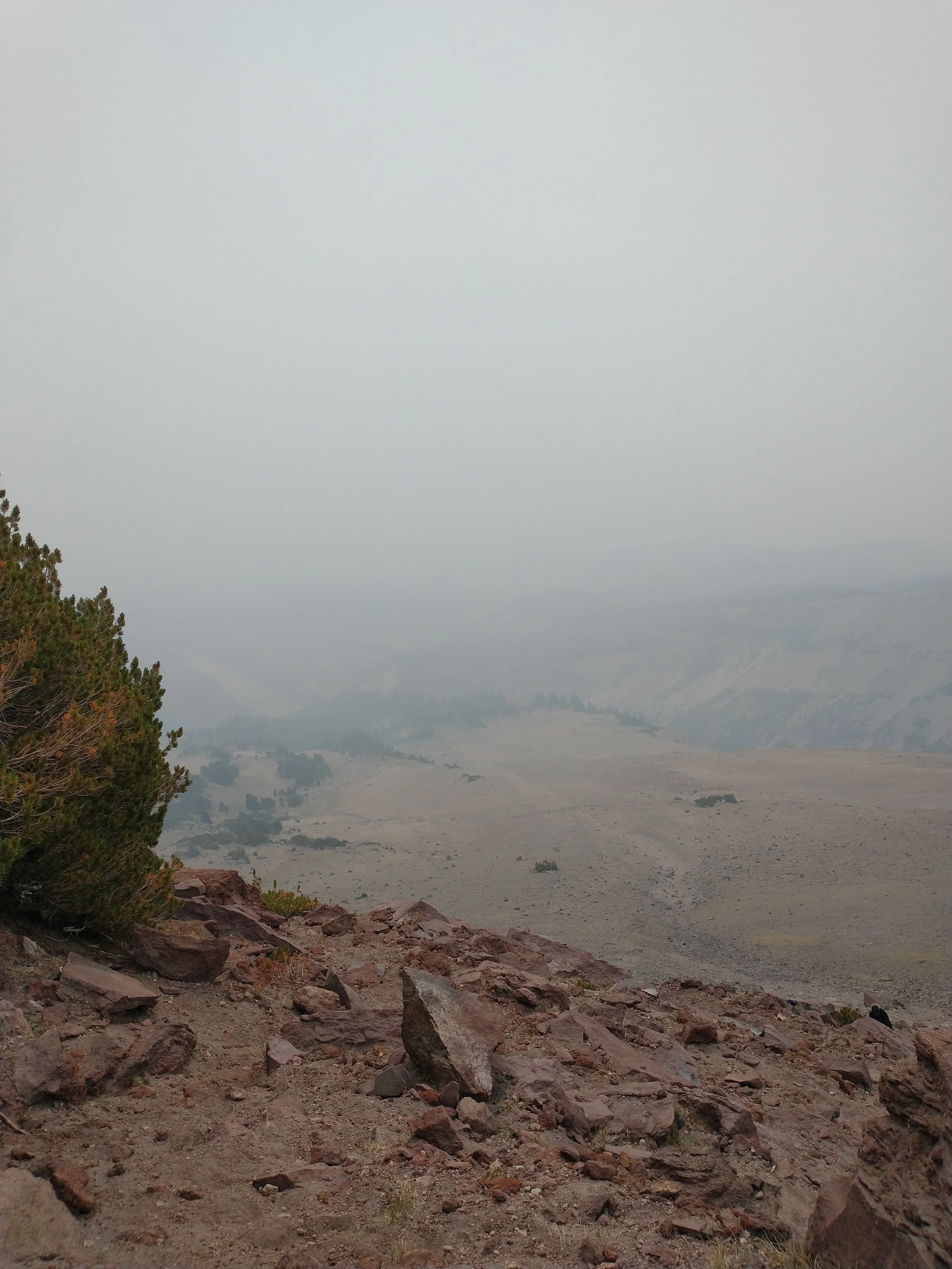
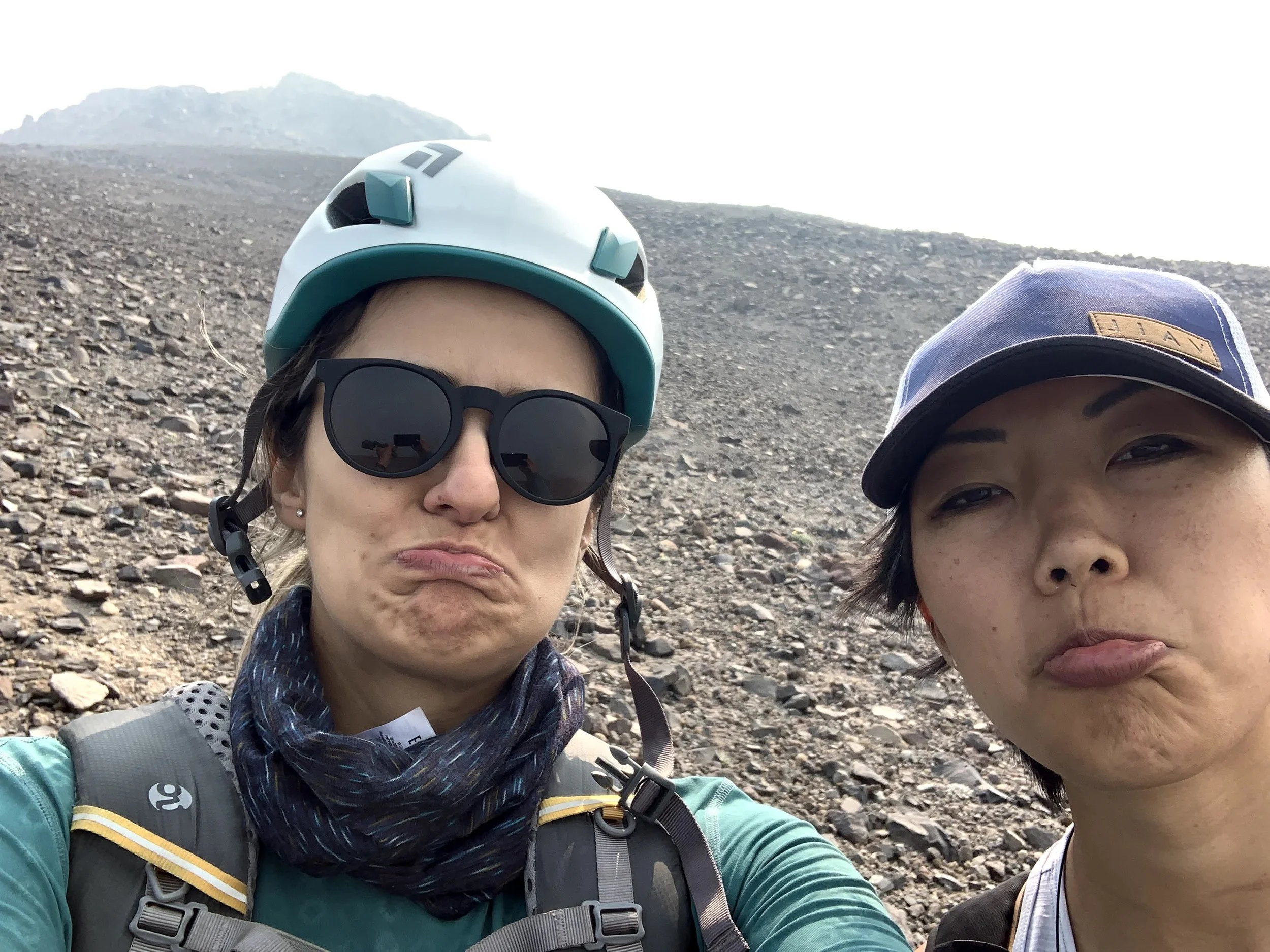
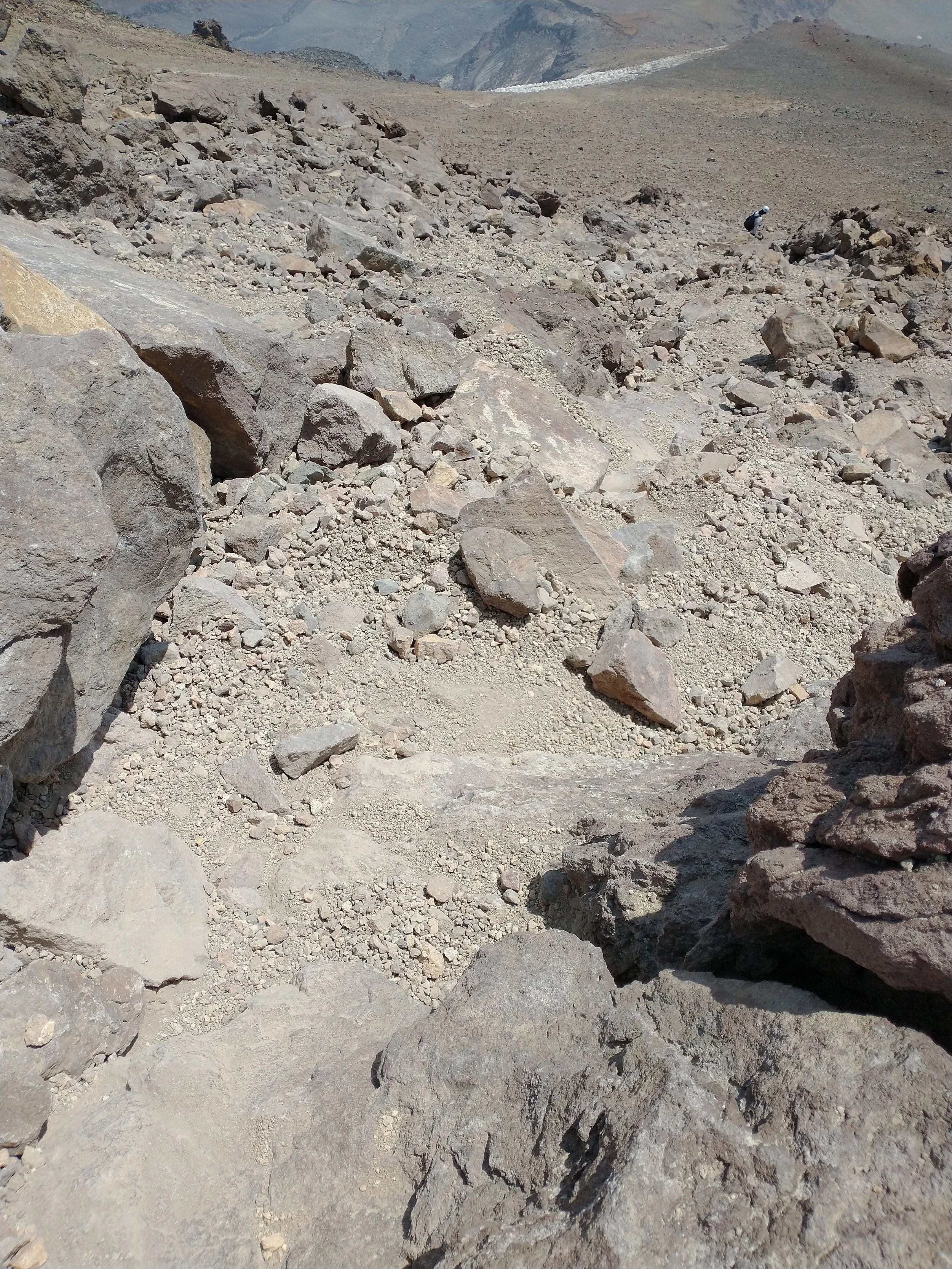
A group of us started, and one by one, everyone started to turn around due to fatigue until there were 4 of us left. The way up after the dirt trail ended was terrible, one step up, two steps down on the loose scree. We steadily ascended to 12,600 feet. But by 4:00 PM, reality caught up with us. To ensure we had enough daylight to descend safely, we made the call to turn around. (Though one guy in our group—an honorary Girls Who Hike member!—was faster and managed to push to the summit.)
When we turned around, I cried a little. Turning back when you’re that close is a heavy feeling, and walking away knowing I had already put in so much work felt agonizing.
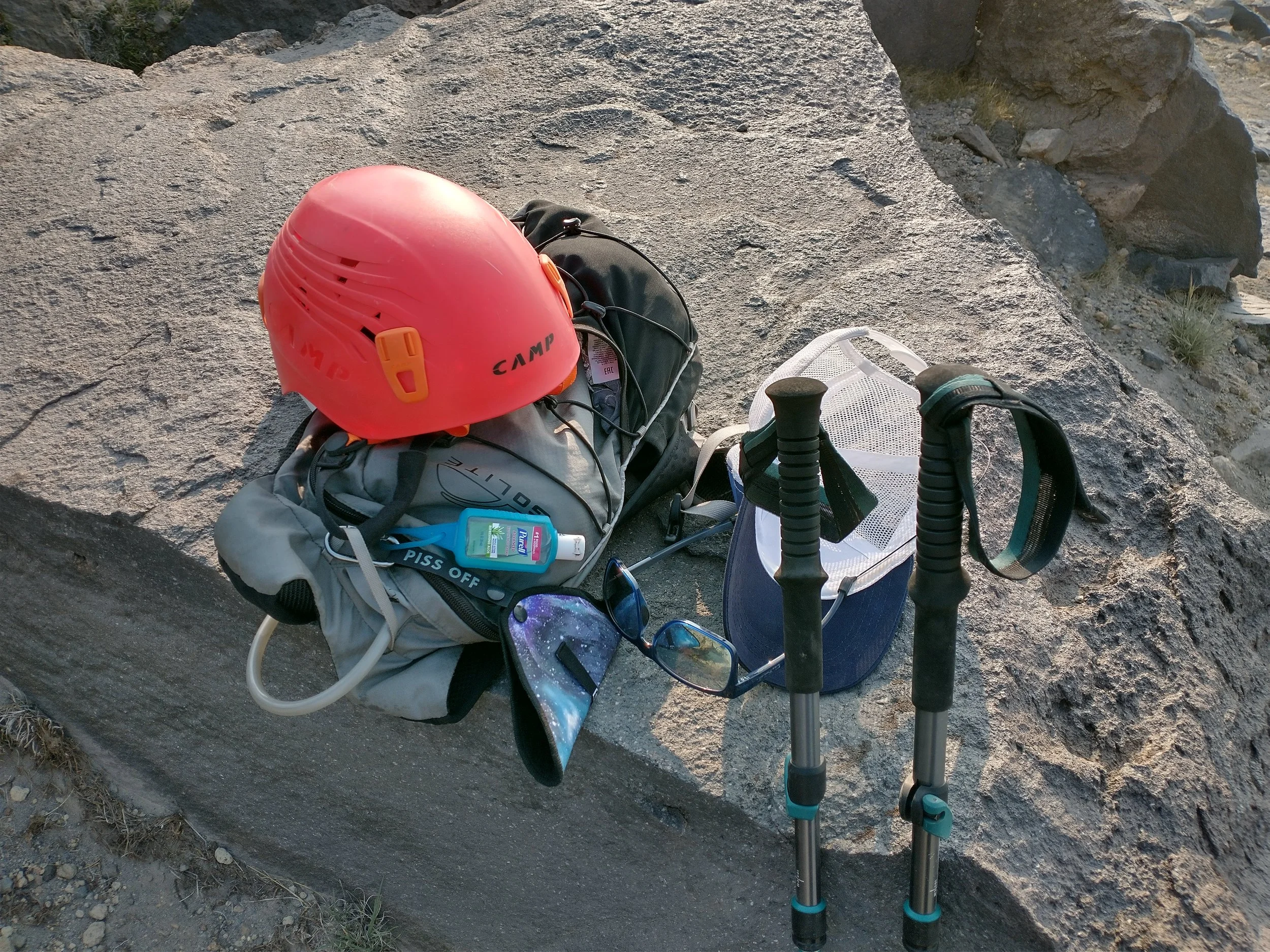
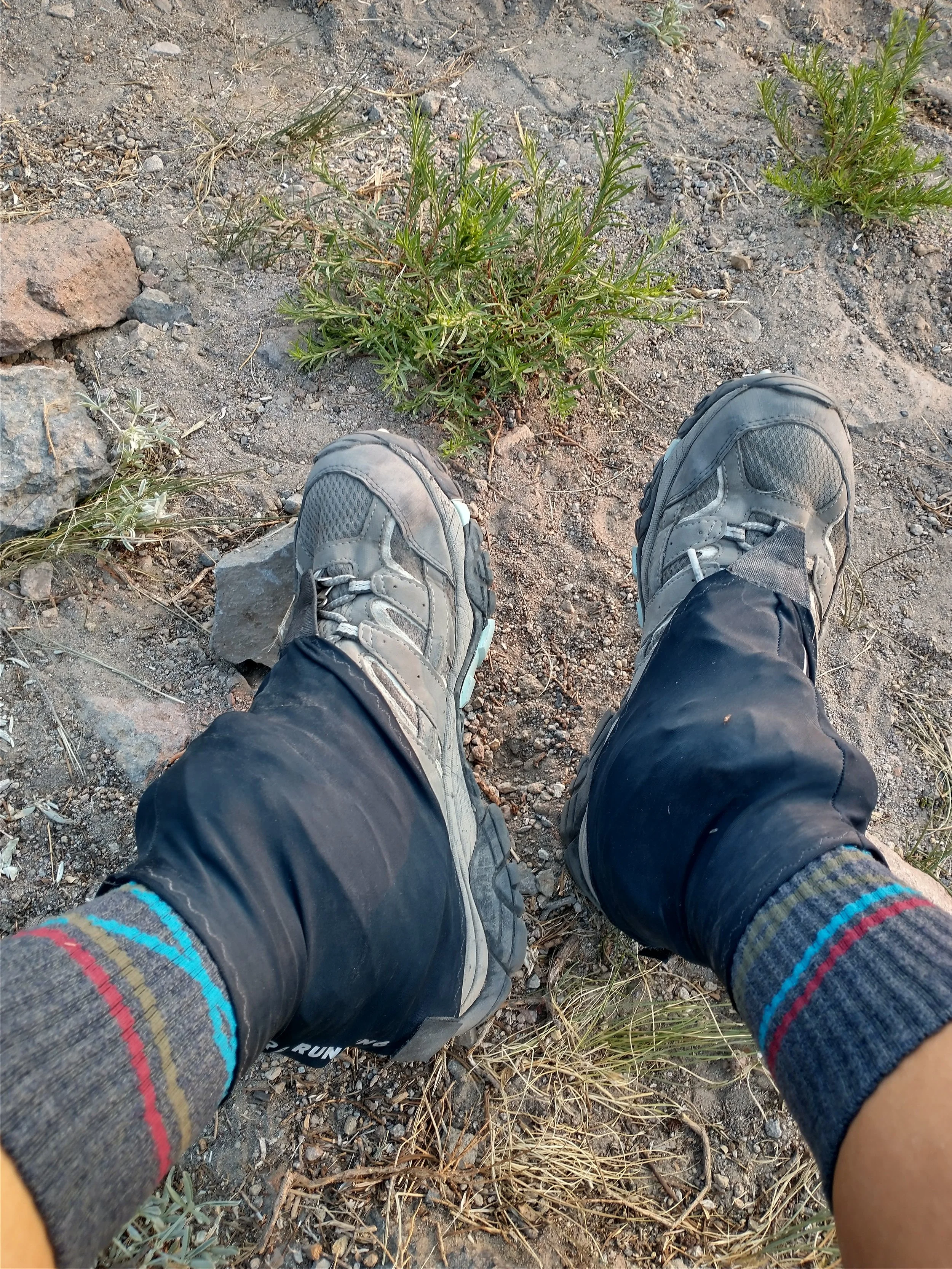
I was really glad to have brought hiking poles and my trail gaiters for the way down.
As we descended, a thought began to take root: Why walk away? I’ve already done most of the work, and my legs are primed for this. Instead of driving home tomorrow morning, why not try again?
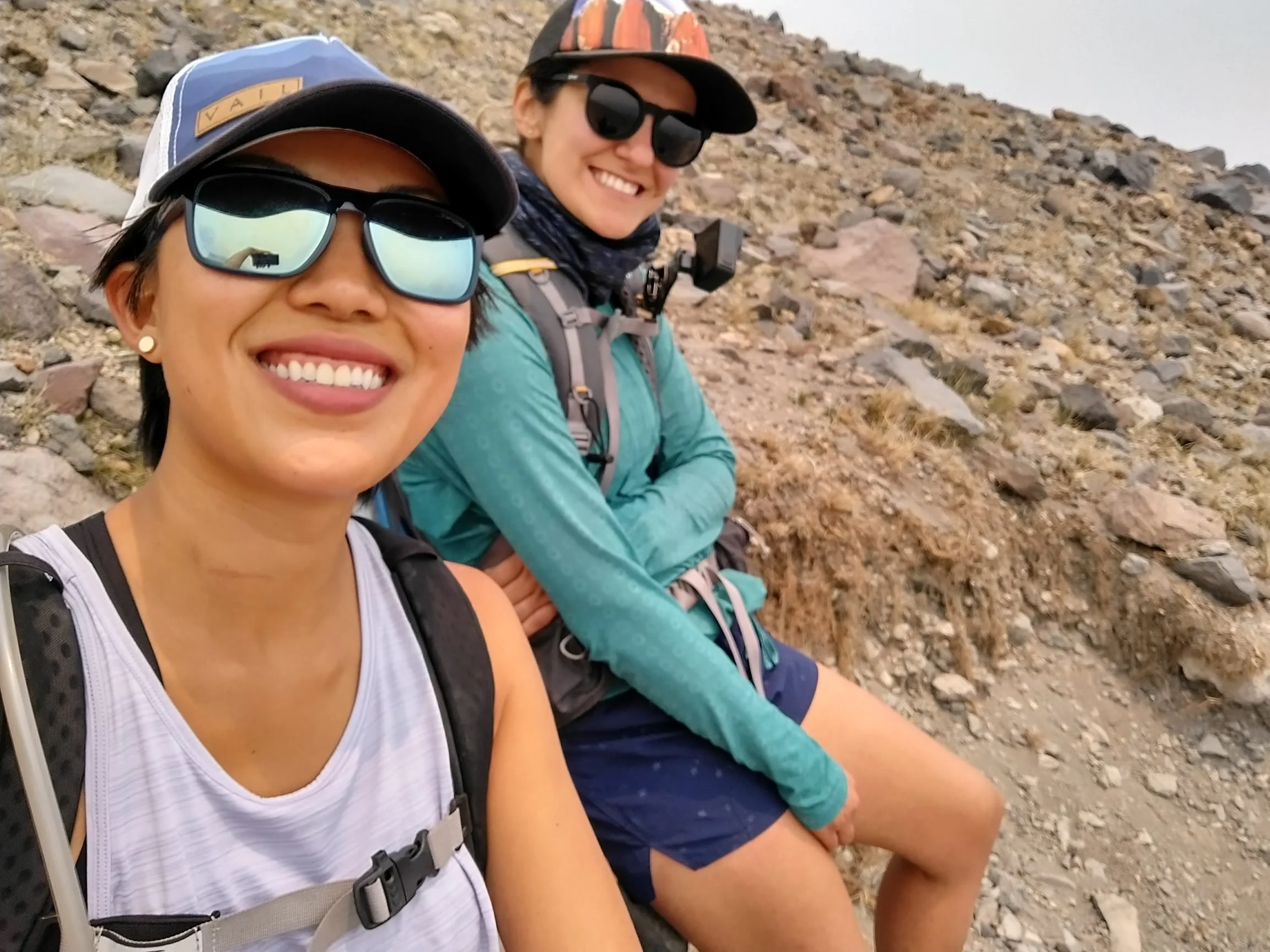
Day 2: Second Chances and Solitude
(14 miles | 5,800 ft elevation gain)
The next morning, the rest of the group packed up and headed home. They offered me bars and yummy snacks they had brought with them that they didn’t need. Knowing that I might need it today. Thank you. Now, it was just me.
At 7:00 AM, I set off solo from the Clear Creek Campsite by the creek. This was my first time attempting a 14er alone. I didn't have cell service or a satellite emergency device. While I knew relying on offline AllTrails and past group awareness wasn't ideal safety protocol, I reasoned with myself that the group knew my plans—and besides, people climbed these mountains for decades before satellite devices existed!
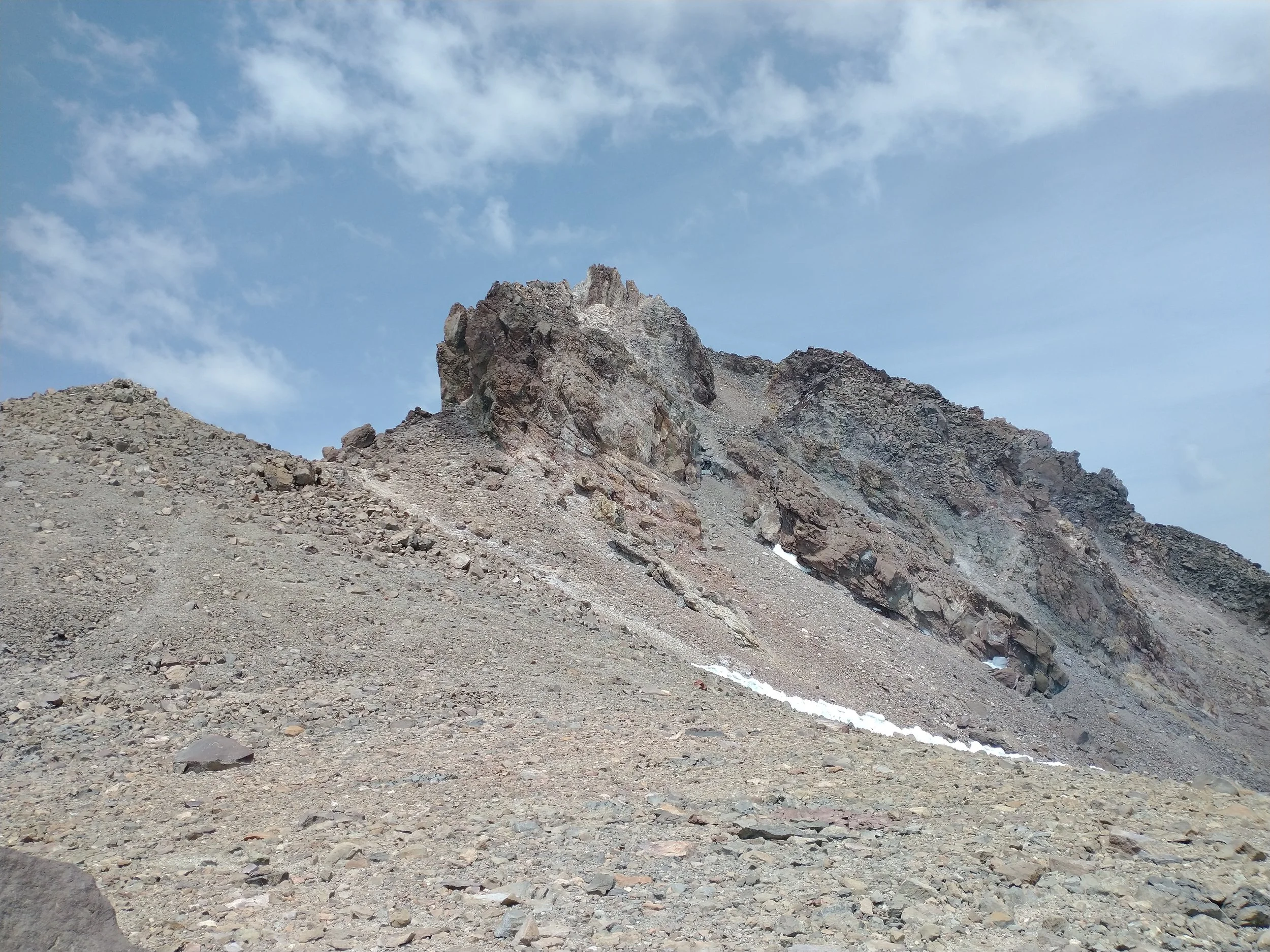
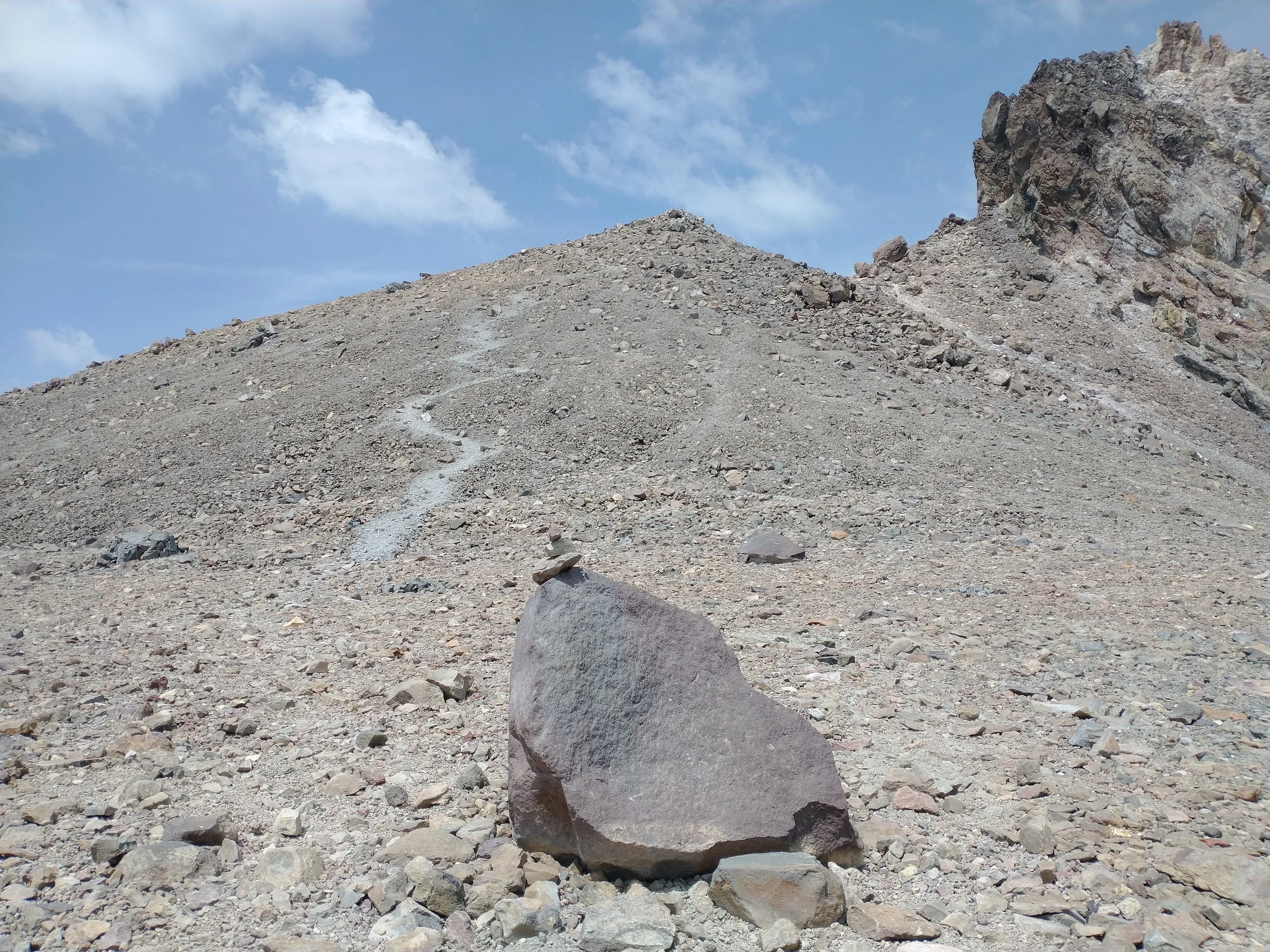
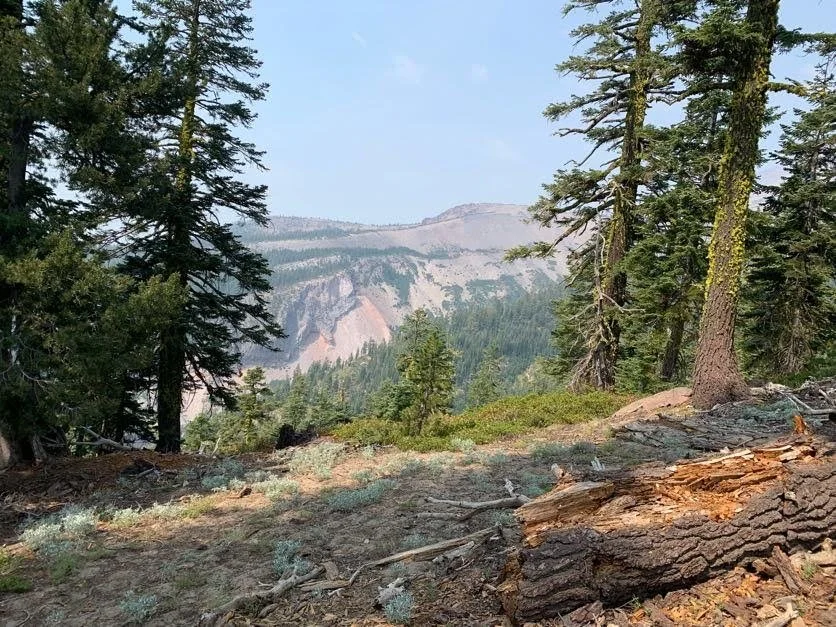
The climb up was every bit as brutal as the first day. I was repeating the silly scree uphill. By 12,000 feet, relentless 30 mph winds were buffeting the slopes. I double checked my location on my map several times. Some places past the UFO rock required hands. The final 500 vertical feet were pure agony. Only three small groups passed me on the way up, leaving me mostly alone with my thoughts.
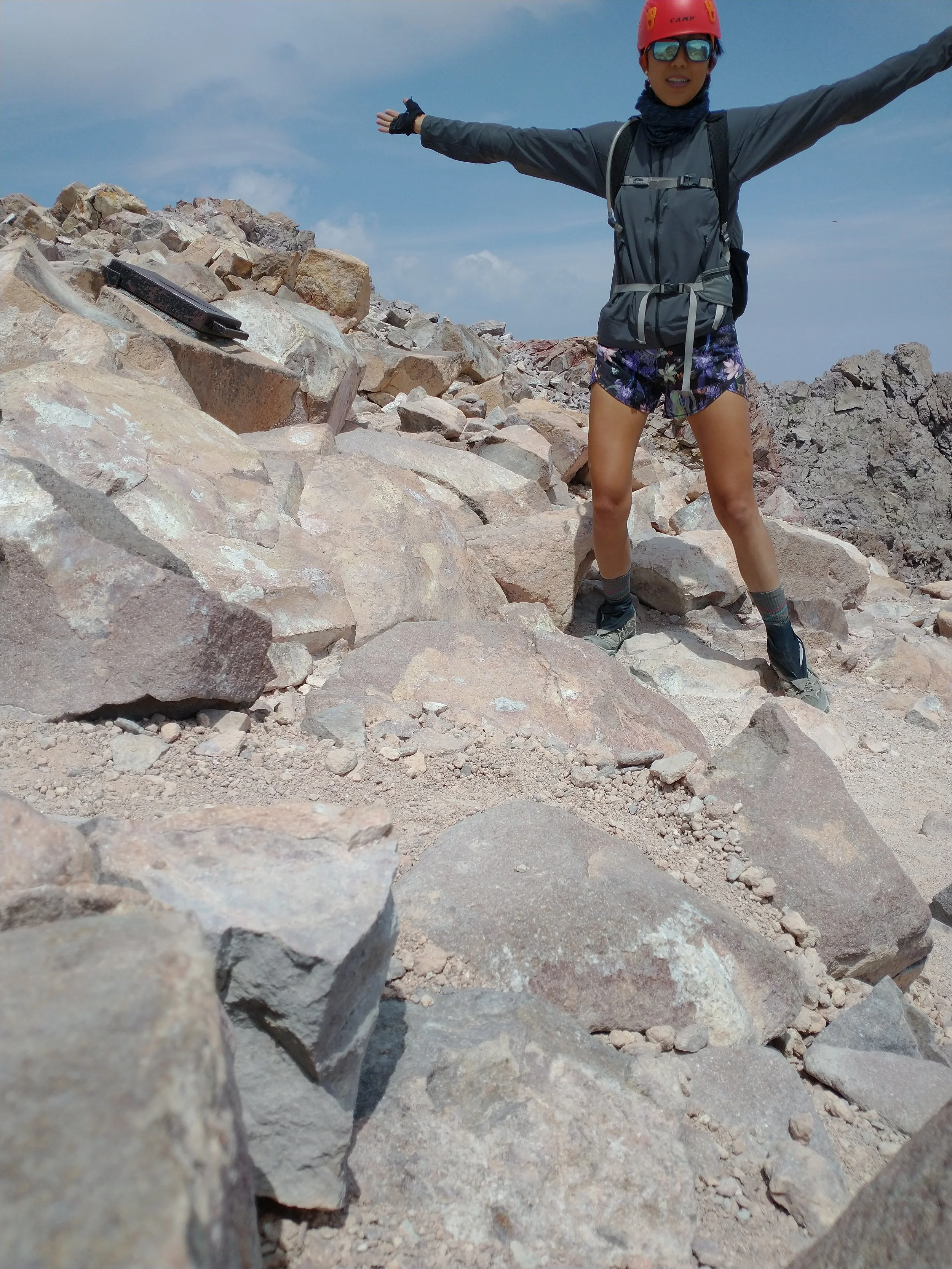
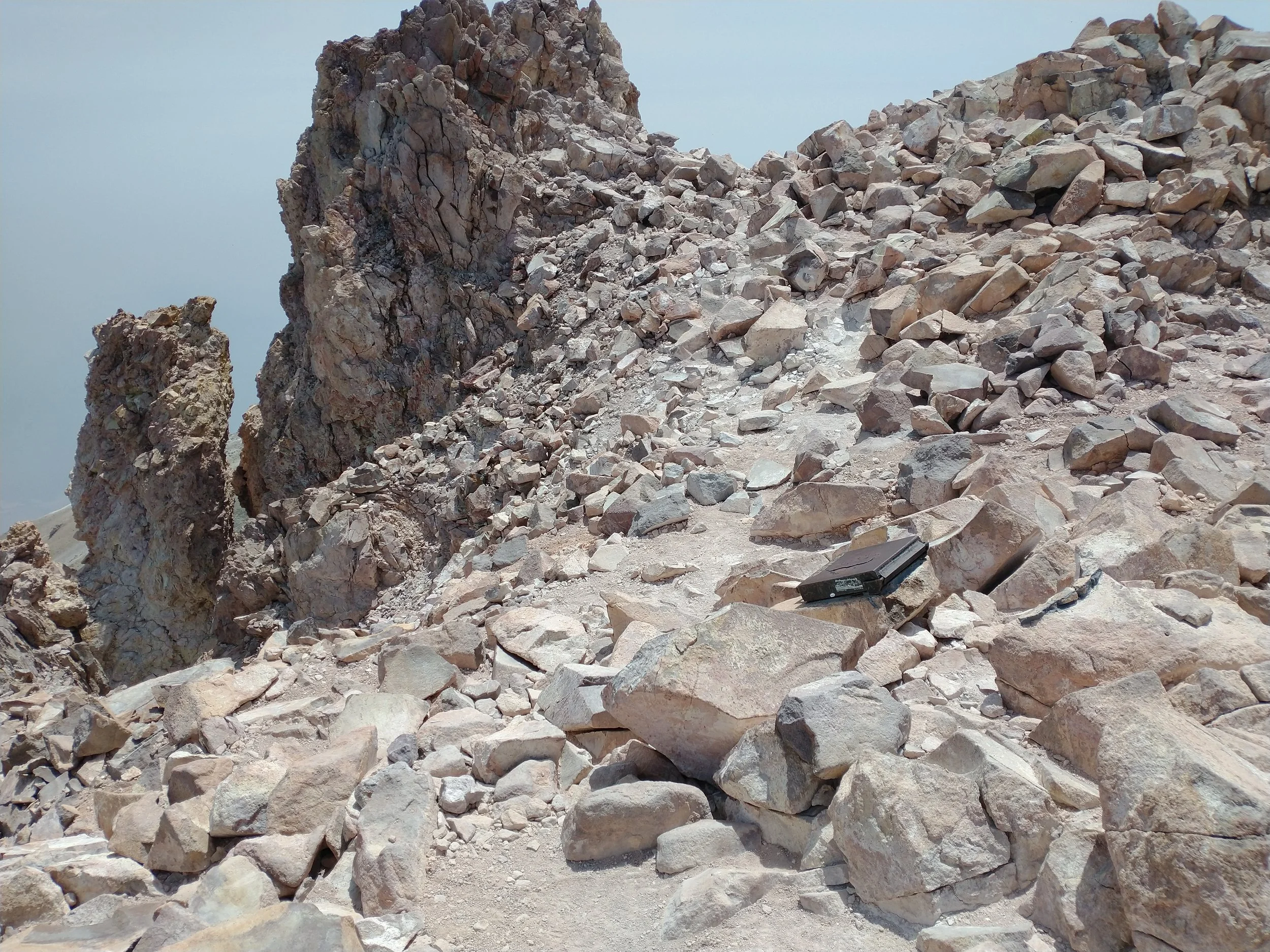
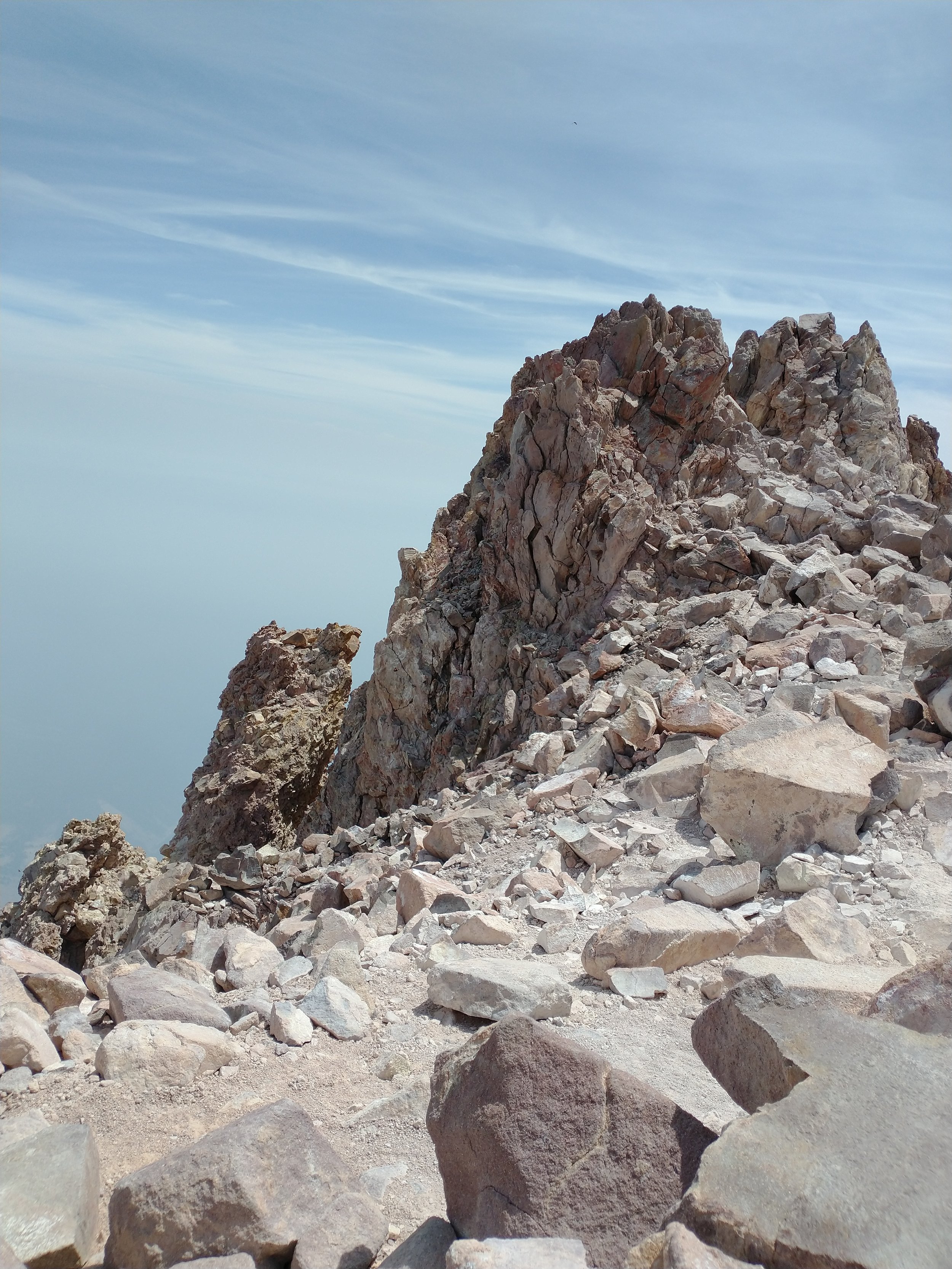
Curiously, the trail was full of life: swarms of butterflies fluttered along the lower slopes, and when I finally reached the summit at 2:00 PM, I was greeted by a welcoming committee of bees and flies!
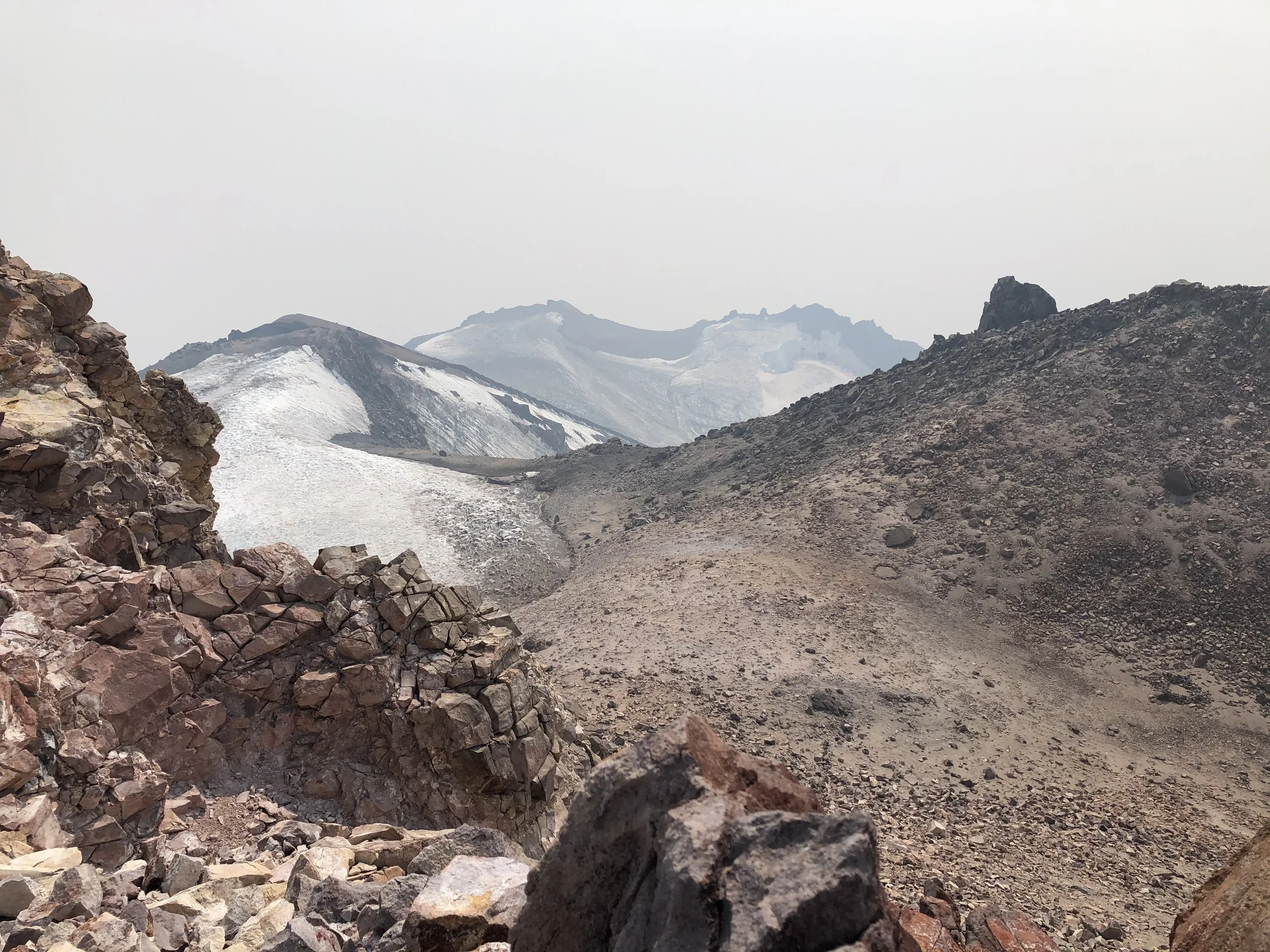
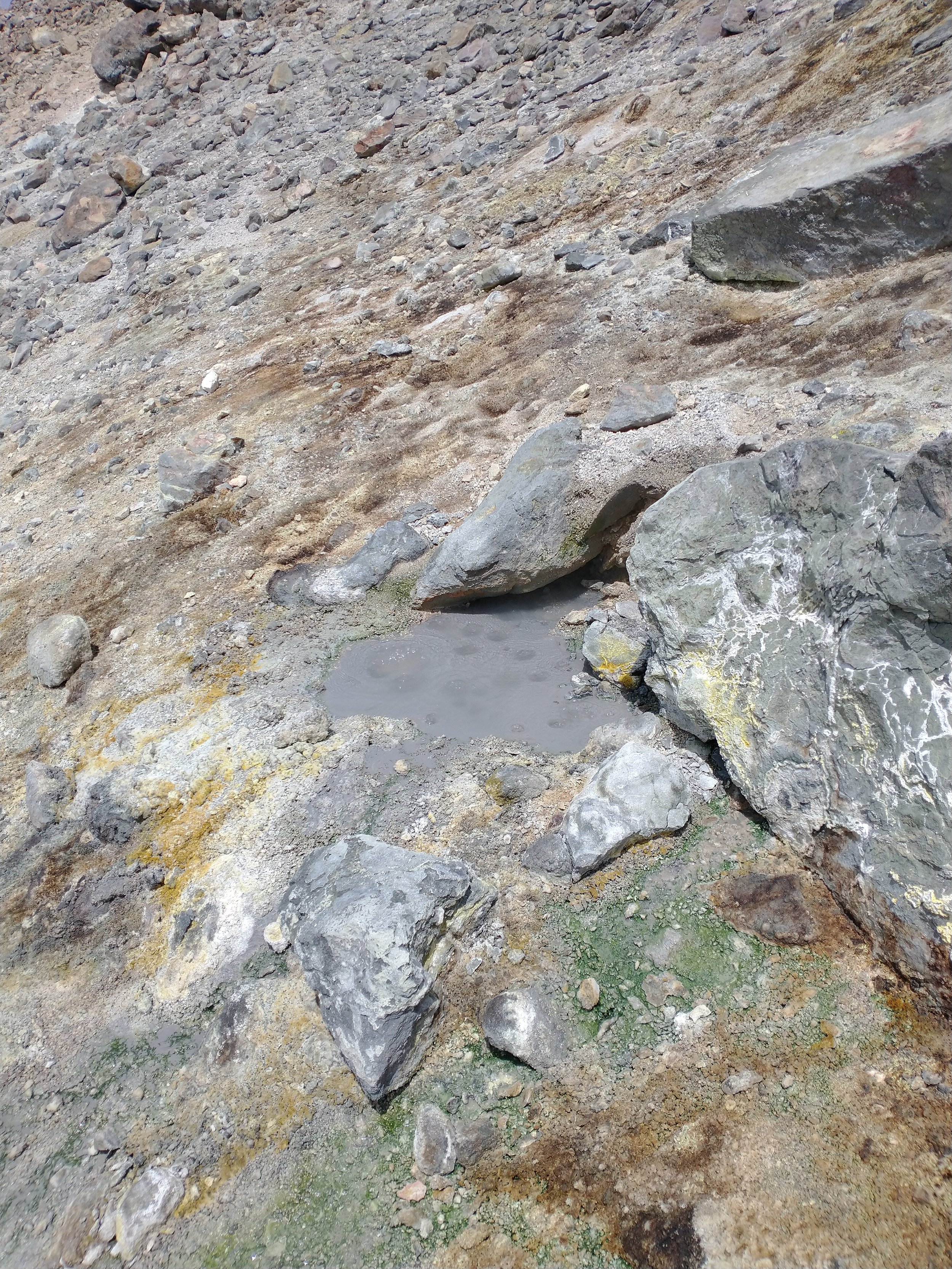
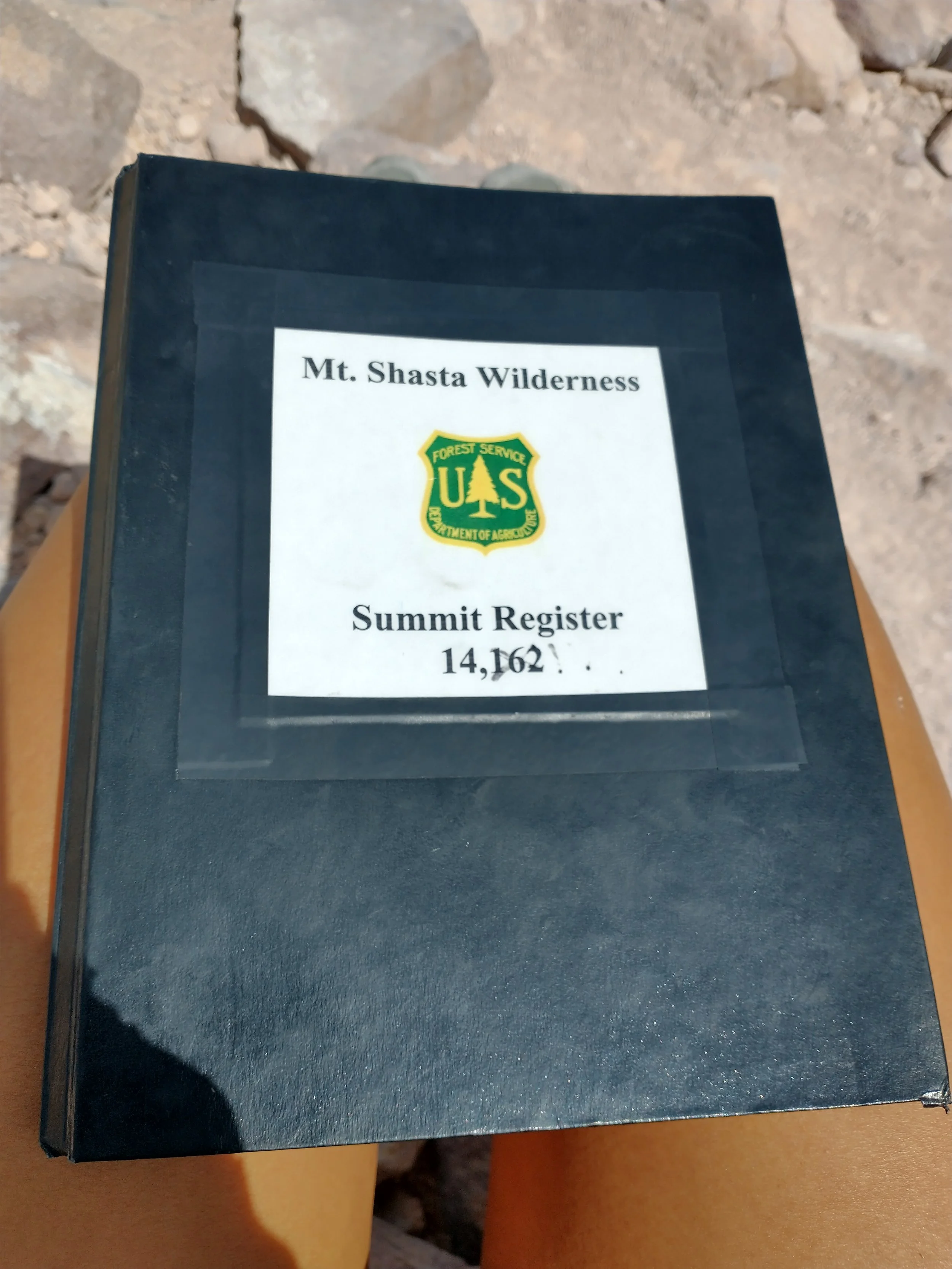
I was relieved to reach the summit. I snapped a few quick photos, attempted one on a timer. Took in the expansive views, and began the long trek down.
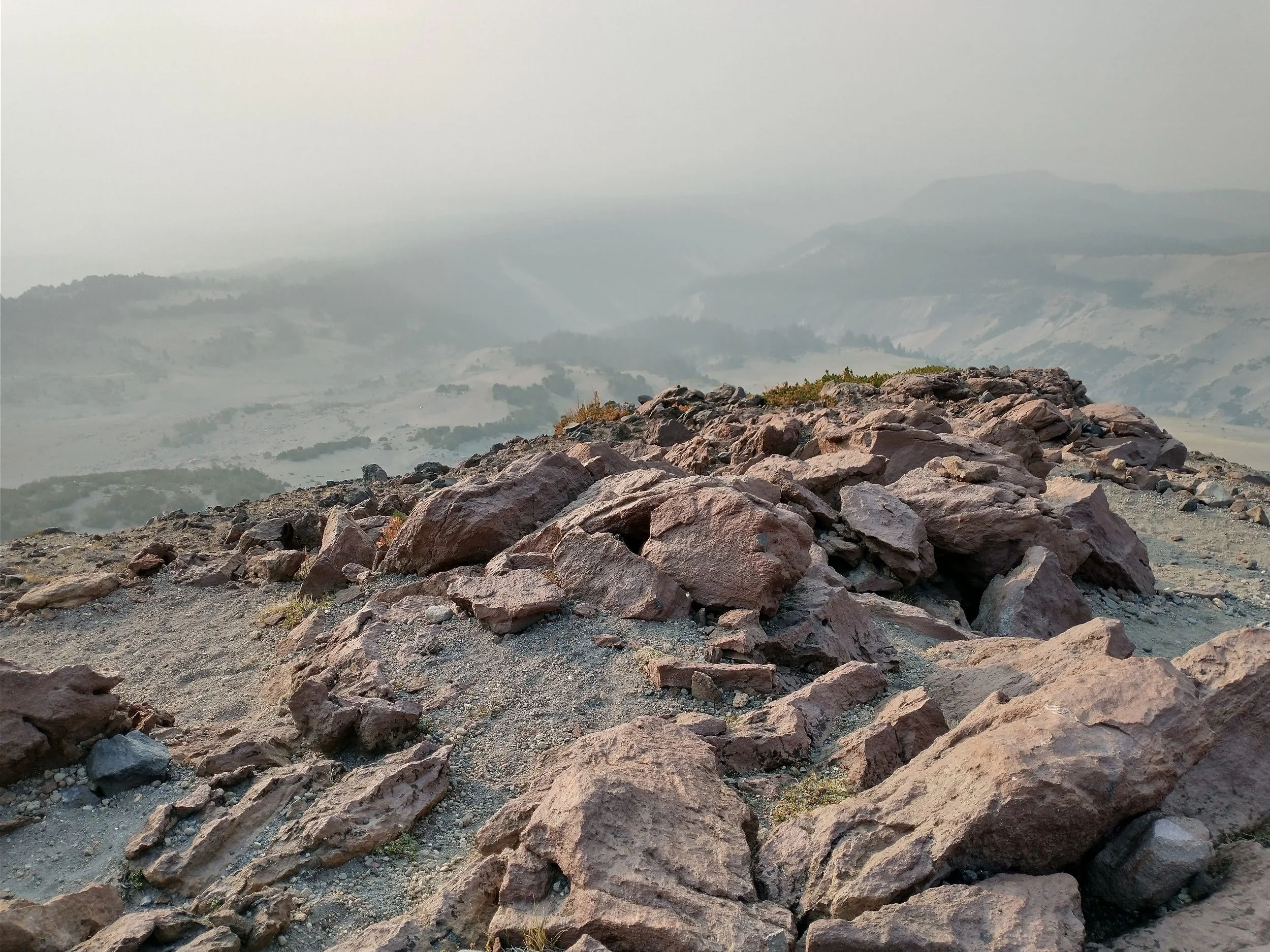
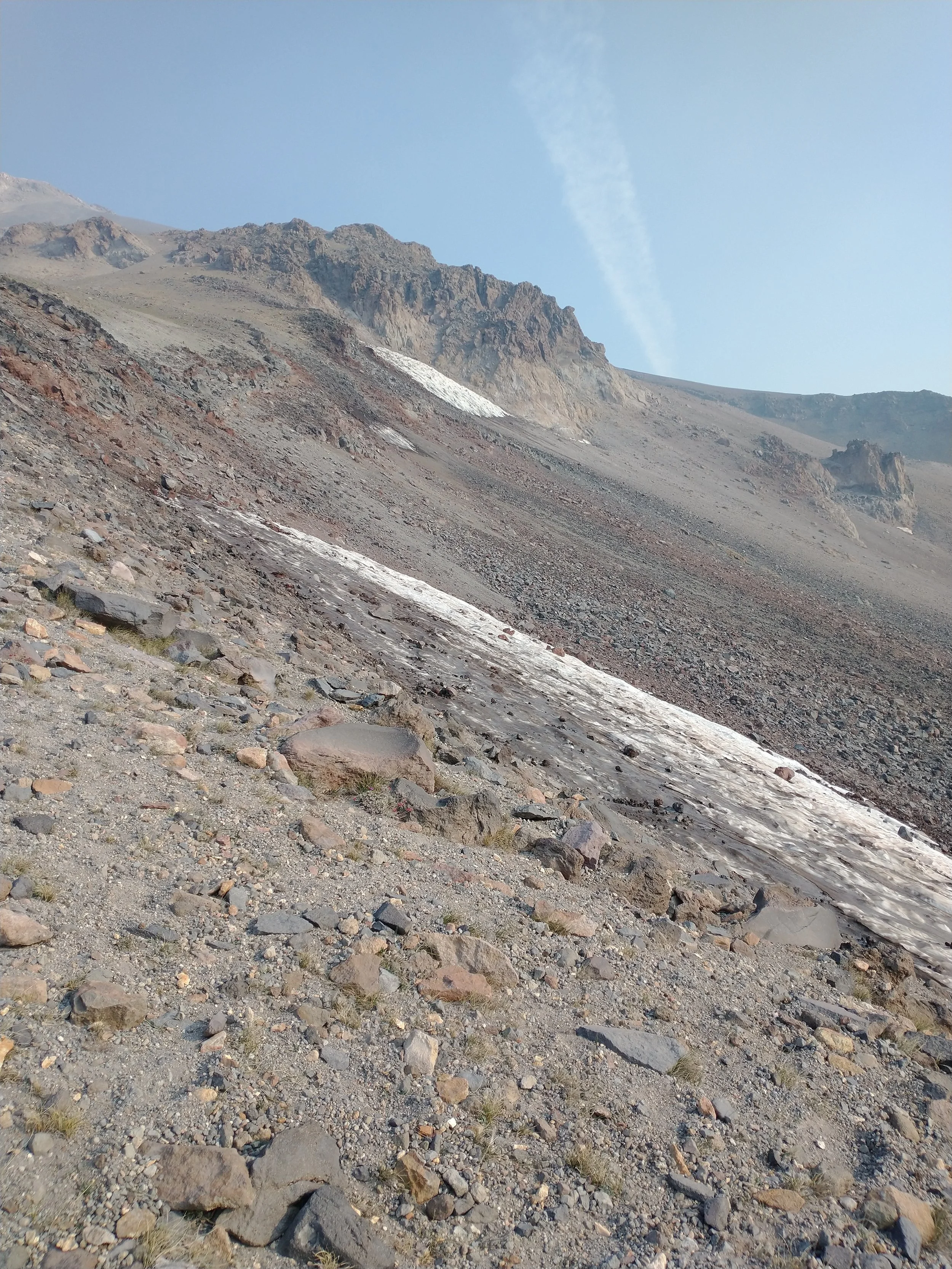
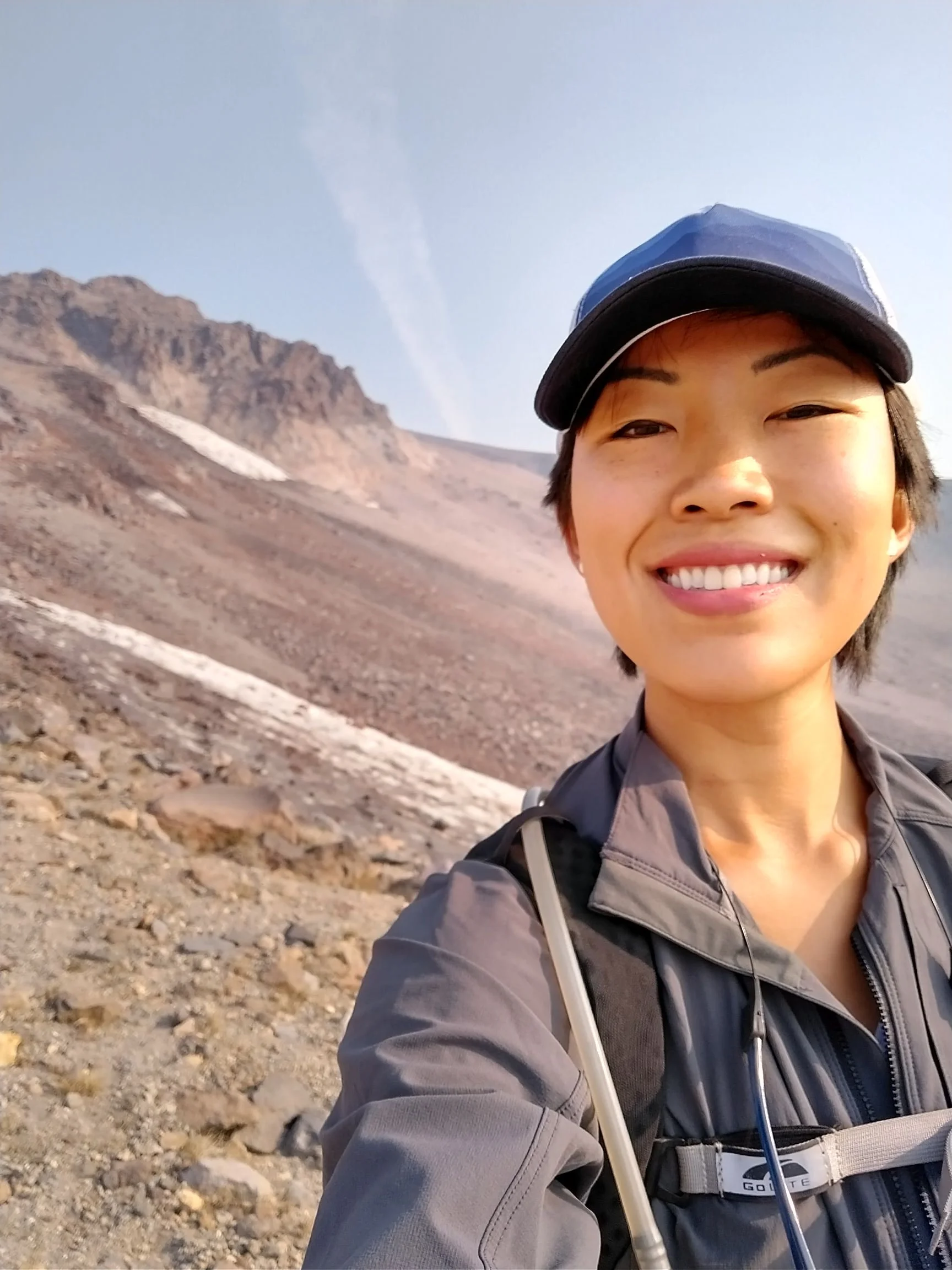
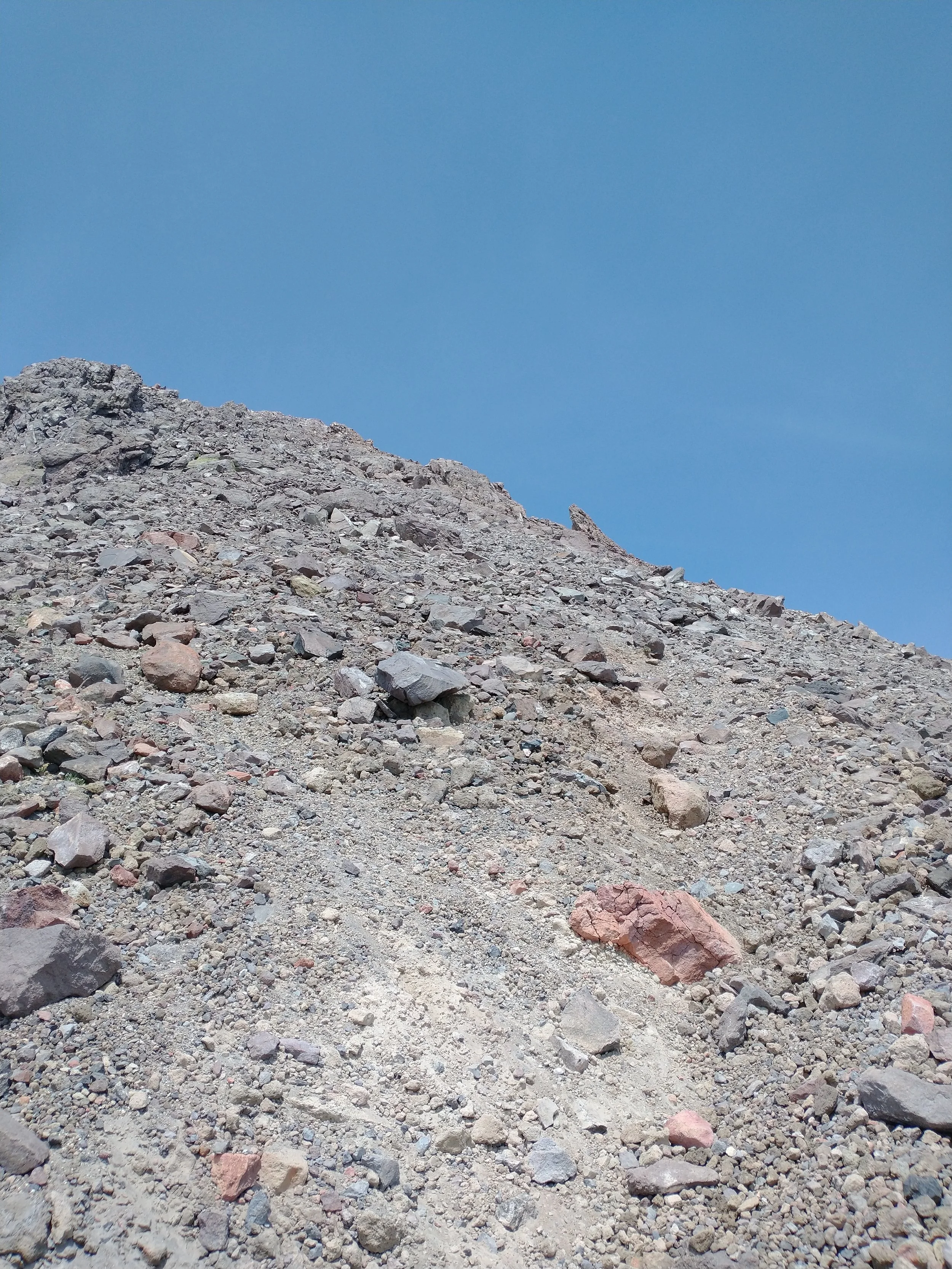
The Long Walk Back
Descending on fatigued legs after two consecutive days of high-altitude climbing was slow, punishing work.
When I made it back down near the creek at 6pm, I bumped into a lovely, adventurous couple I had briefly met near the summit. I borrowed a phone to send a few quick status updates to friends back home and the friends who just left on my whereabouts.
Since my friend had taken our tent home the day before, my options were to cowboy camp at the creek or keep moving toward my car. Facing a night outdoors surrounded by buzzing flies, the choice was easy: keep walking.
The final stretch from the trailhead back down the gravel road to where I'd parked my Focus was done in pitch darkness by the time I knew my car was down the gravel road, but wasn’t sure how far. I arrived at 10:00 PM. Even with my headlamp cutting through the black, the dark woods were genuinely scary, and every shadow made my pulse race.
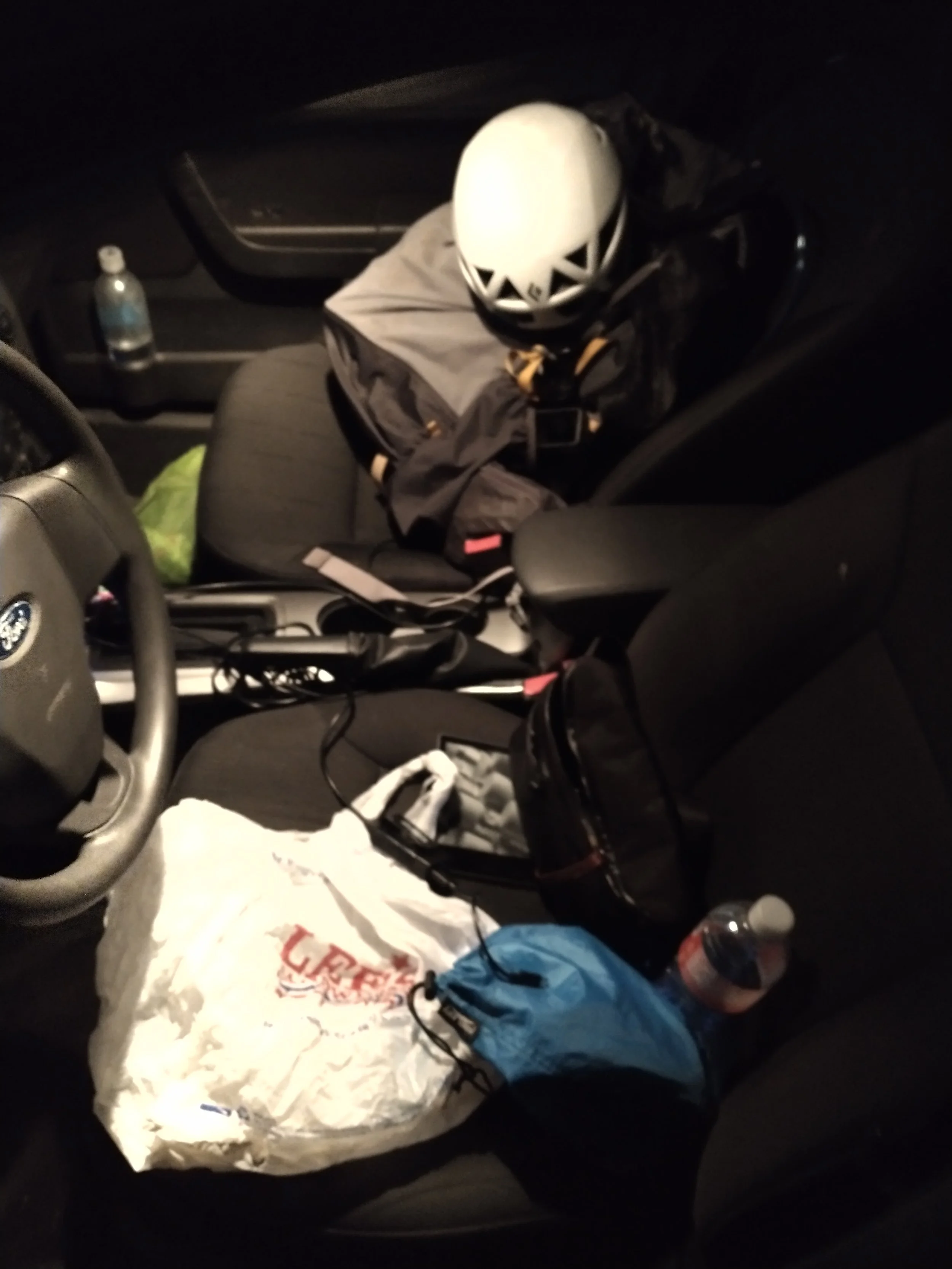
When I finally reached my car, the sense of relief was overwhelming. I sat in the front seat, ate an apple, and lay there for two hours as my mind raced, processing the sheer volume of mental challenges, fear, fatigue, and raw emotion I had experienced throughout the day.
I plugged my phone in for charging, rested for a bit, and decided to sleep in my chair, to drive home at the crack of the sunlight.
Takeaway: Mount Shasta taught me that summiting isn't just about physical fitness—it's about how much discomfort you are willing to sit with when your mind wants to quit. Pushing past the disappointment of Day 1 to stand on the peak on Day 2 reminded me of what we are truly capable of when we trust our training and refuse to give up on ourselves.