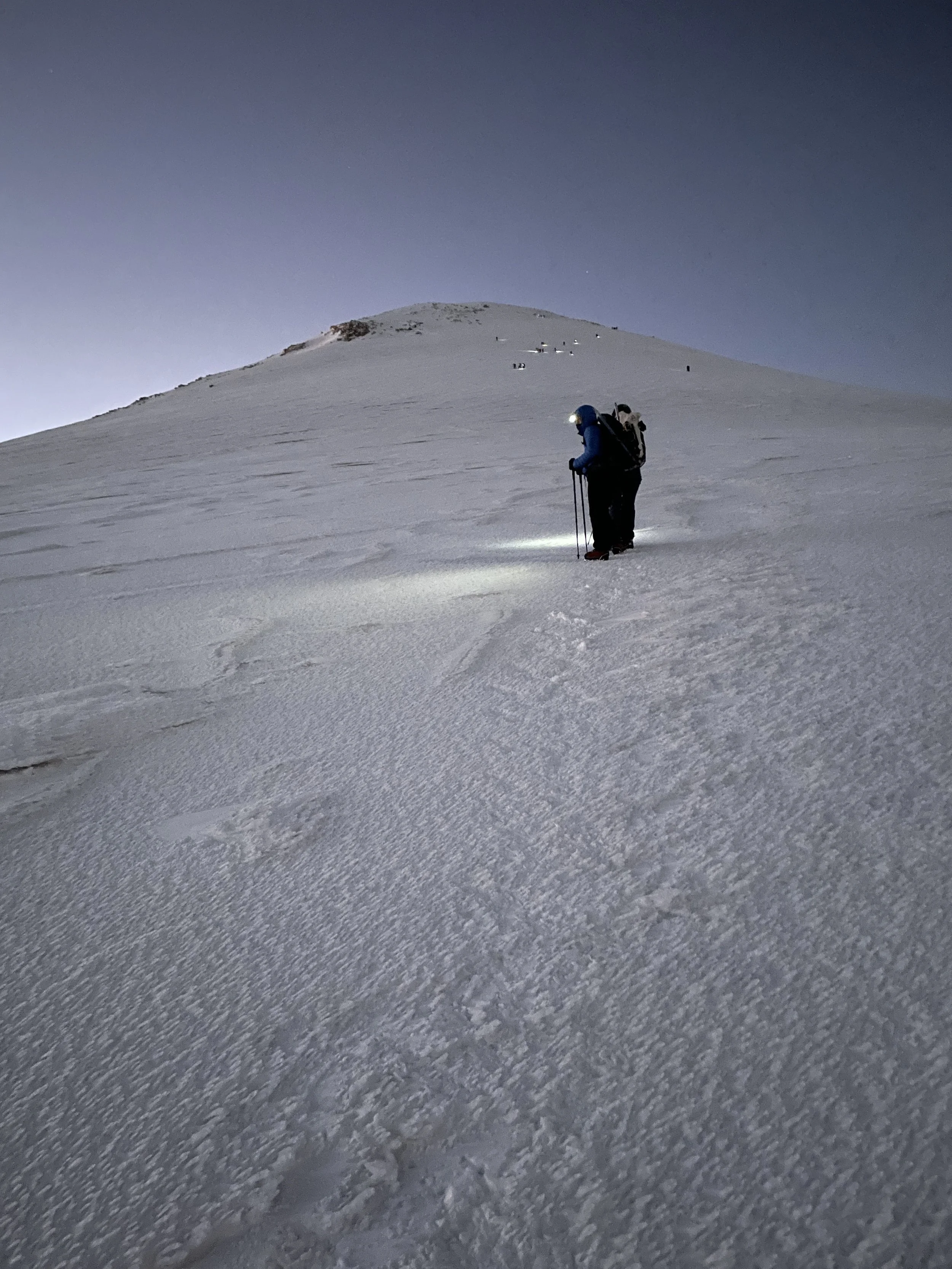
Pico de Orizaba
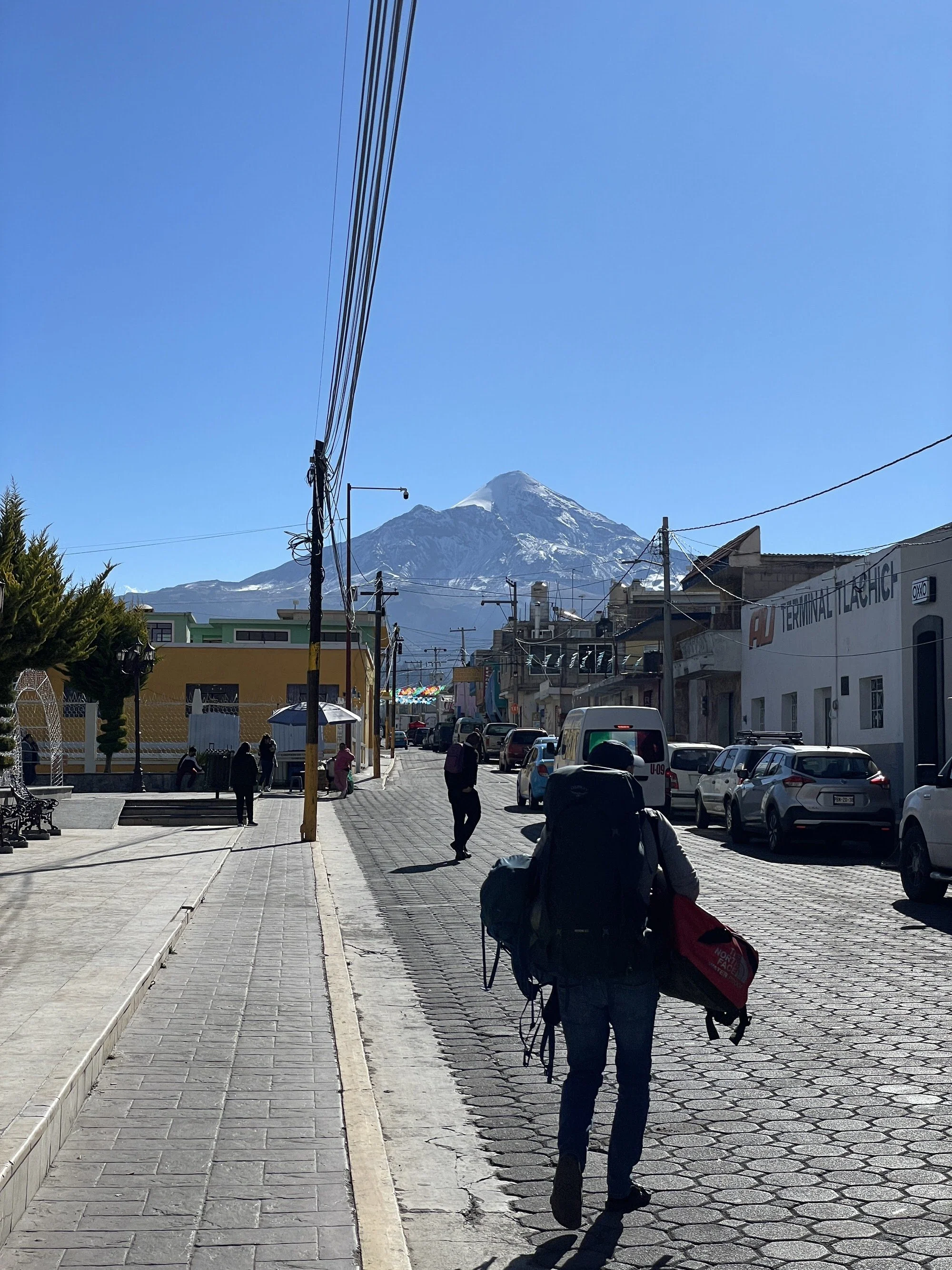
Pico de Orizaba (also known as Citlaltépetl) is a massive, dormant stratovolcano in Mexico and the ultimate prize for high-altitude mountaineers in North America.
The Stats: Towering at 18,491 feet (5,636 meters), it is the highest peak in Mexico and the third-highest mountain in North America (surpassed only by Denali and Mount Logan). It also holds the title of the highest volcanic summit on the continent.
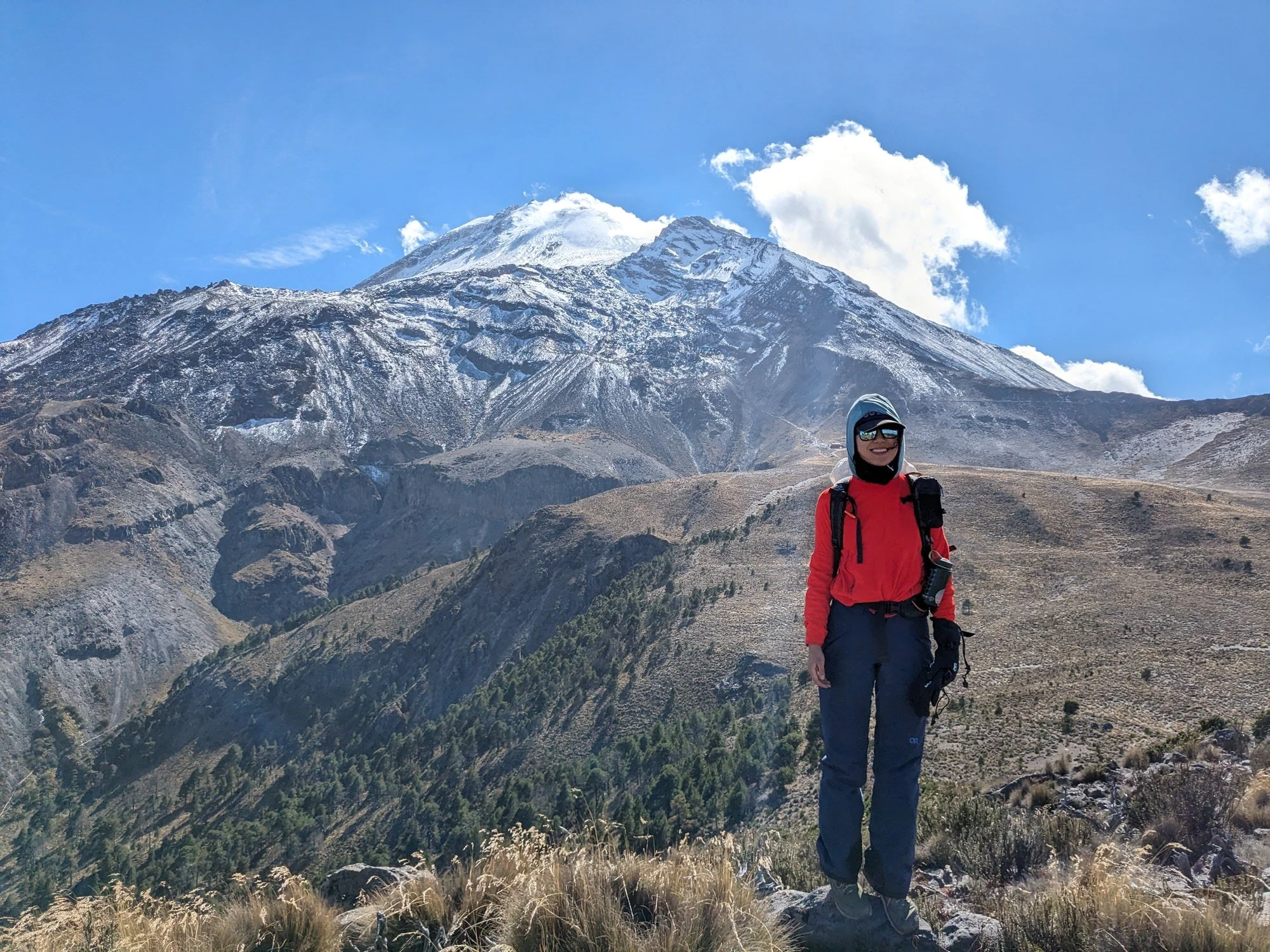
The Terrain: The mountain is defined by dramatic terrain, shifting from high-desert landscapes at its base to the striking, heavily crevassed Jamapa Glacier near the top. It is one of the few places left in Mexico that holds permanent glacial ice.
The Climb: While it is a highly sought-after "entry-level" peak for big-mountain, high-altitude mountaineering, it is a serious undertaking. The standard route via the Jamapa Glacier requires crampons, an ice axe, and rope teams to navigate steep snow and ice slopes (up to 40 degrees) and standard glacial hazards, all while battling extreme altitude and unpredictable alpine weather.
High Ambition & Packed Huts: The Acclimatization
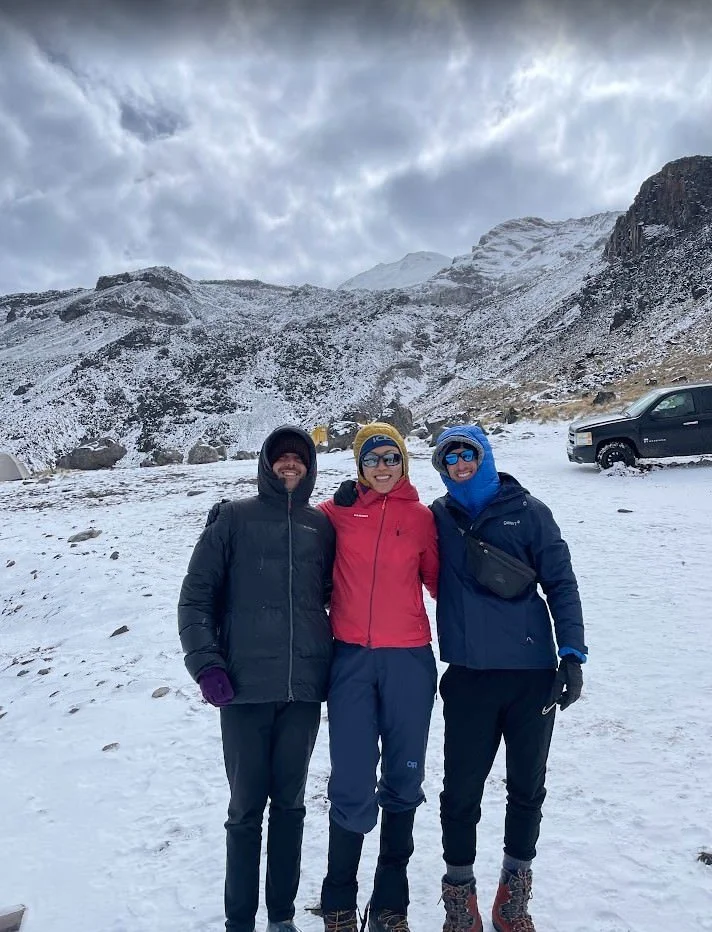
We decided to dive straight into the deep end, heading for Pico de Orizaba the day I landed. We rented our climbing gear, sleeping bags, and mats from Servimont—if you are planning a trip, I highly recommend them for their excellent service.
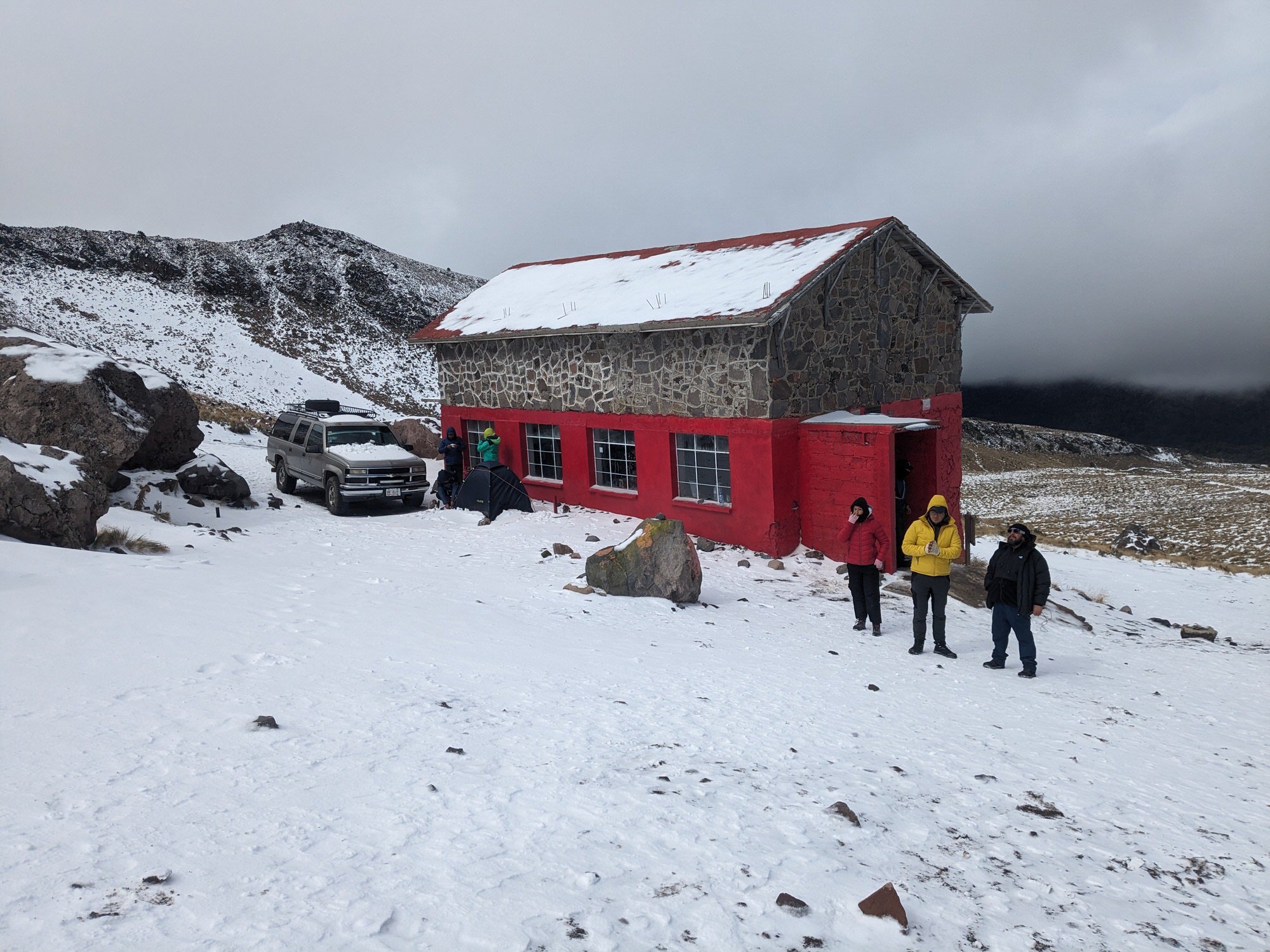
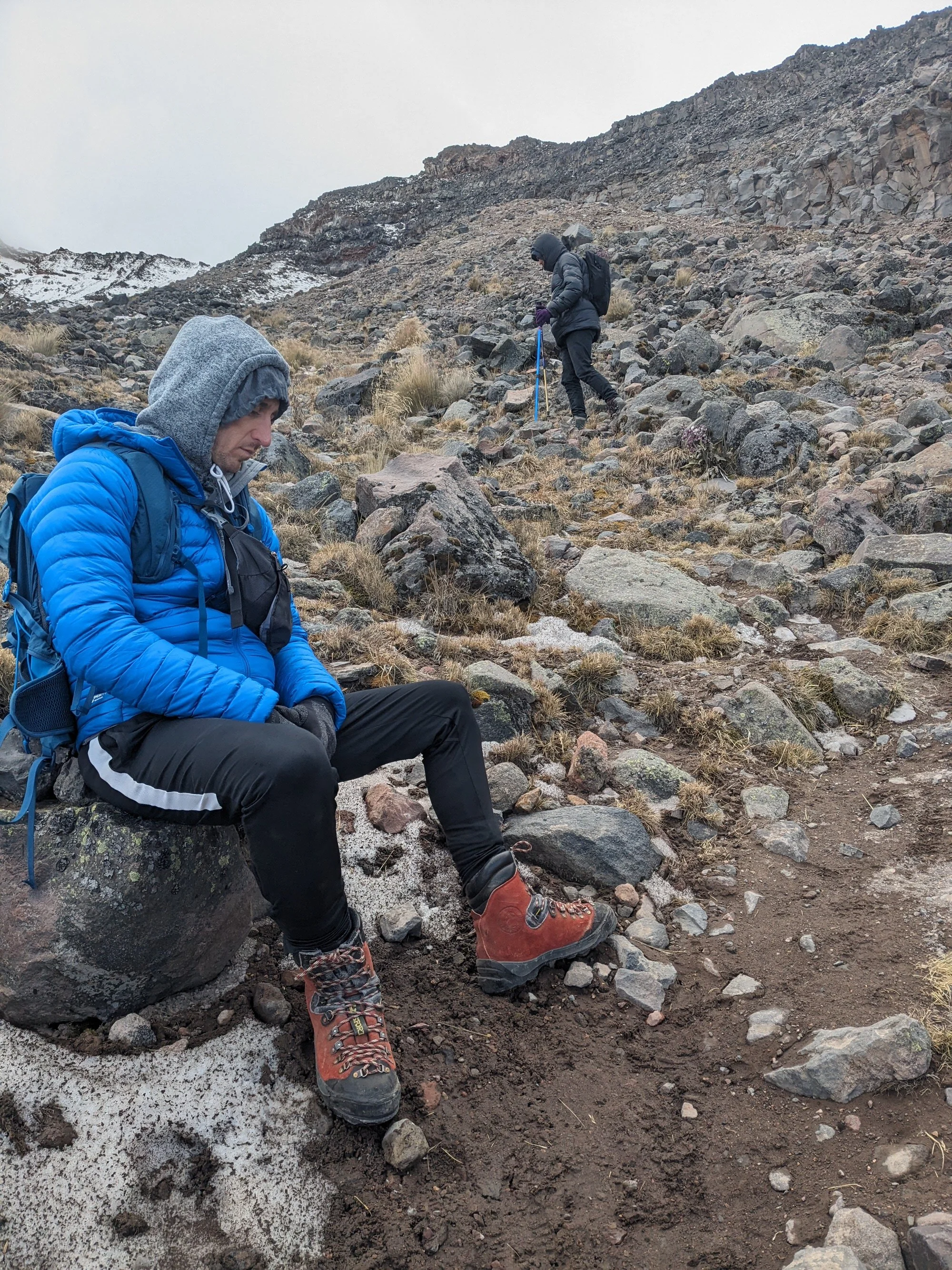
To acclimate properly and wait out a volatile weather window, we based ourselves at the Piedra Grande hut 4,200m for three nights. By the third night, the climbing window opened, and the hut transformed into absolute chaos. It was so packed that climbers were sleeping underneath the tables. I managed a grand total of 10 minutes of sleep before our midnight wake-up call for a 12:30 AM start.
The Alpine Push & The Labyrinth
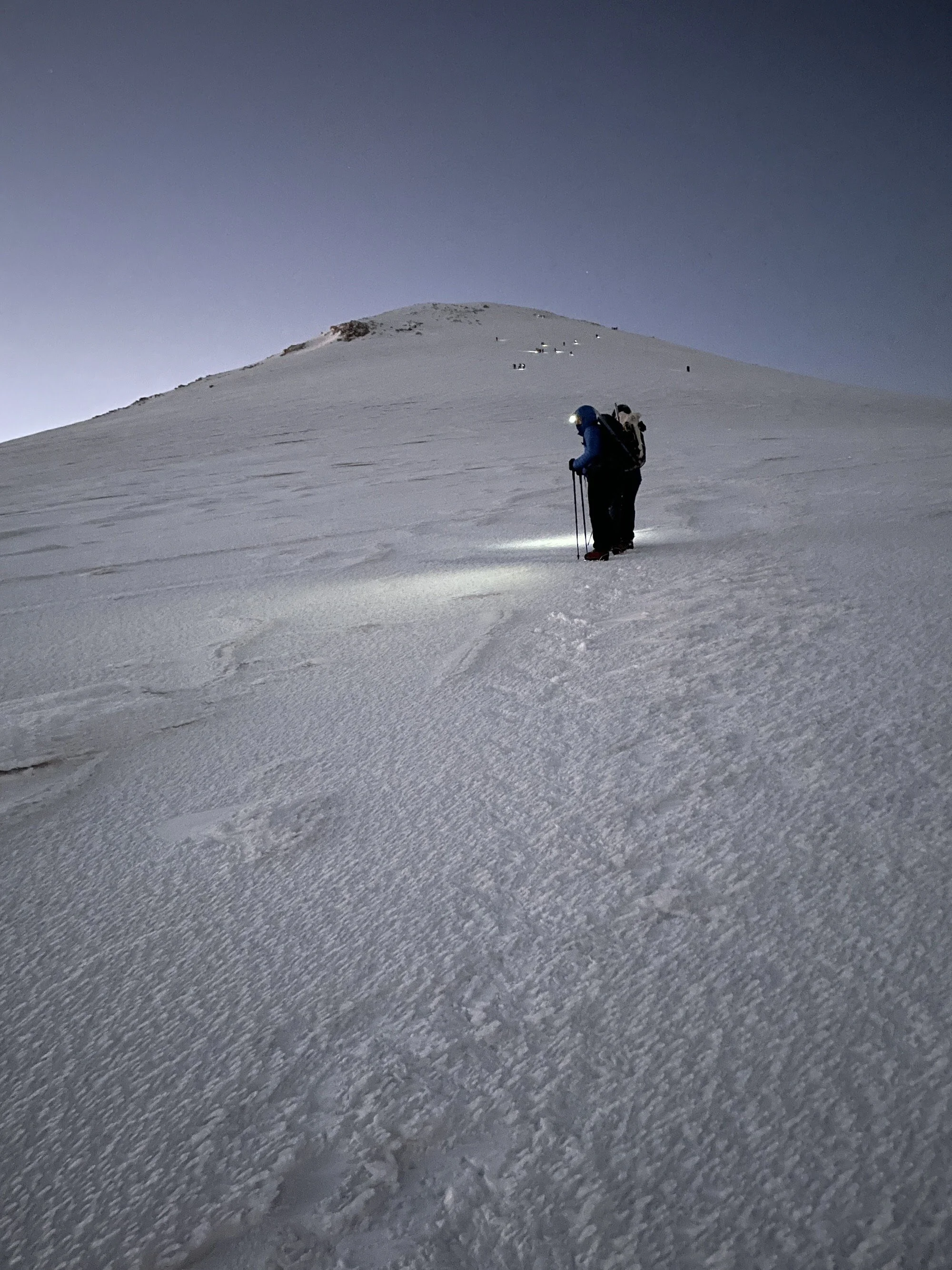
December 28th turned out to be a beautiful day. Fresh snow started right at the hut, creating easy-to-follow foot tracks. The route-finding was so clear that I didn’t even need to pull out my GPS, even while navigating the Labyrinth.
12:30 AM: Left Piedra Grande hut.
5:30 AM: Reached the base of the Jamapa Glacier.
We should have rested at the foot of the glacier, but the wind was relentless, and it was simply too cold to stand still.
Battling -19 degrees Celsius on the Jamapa Glacier
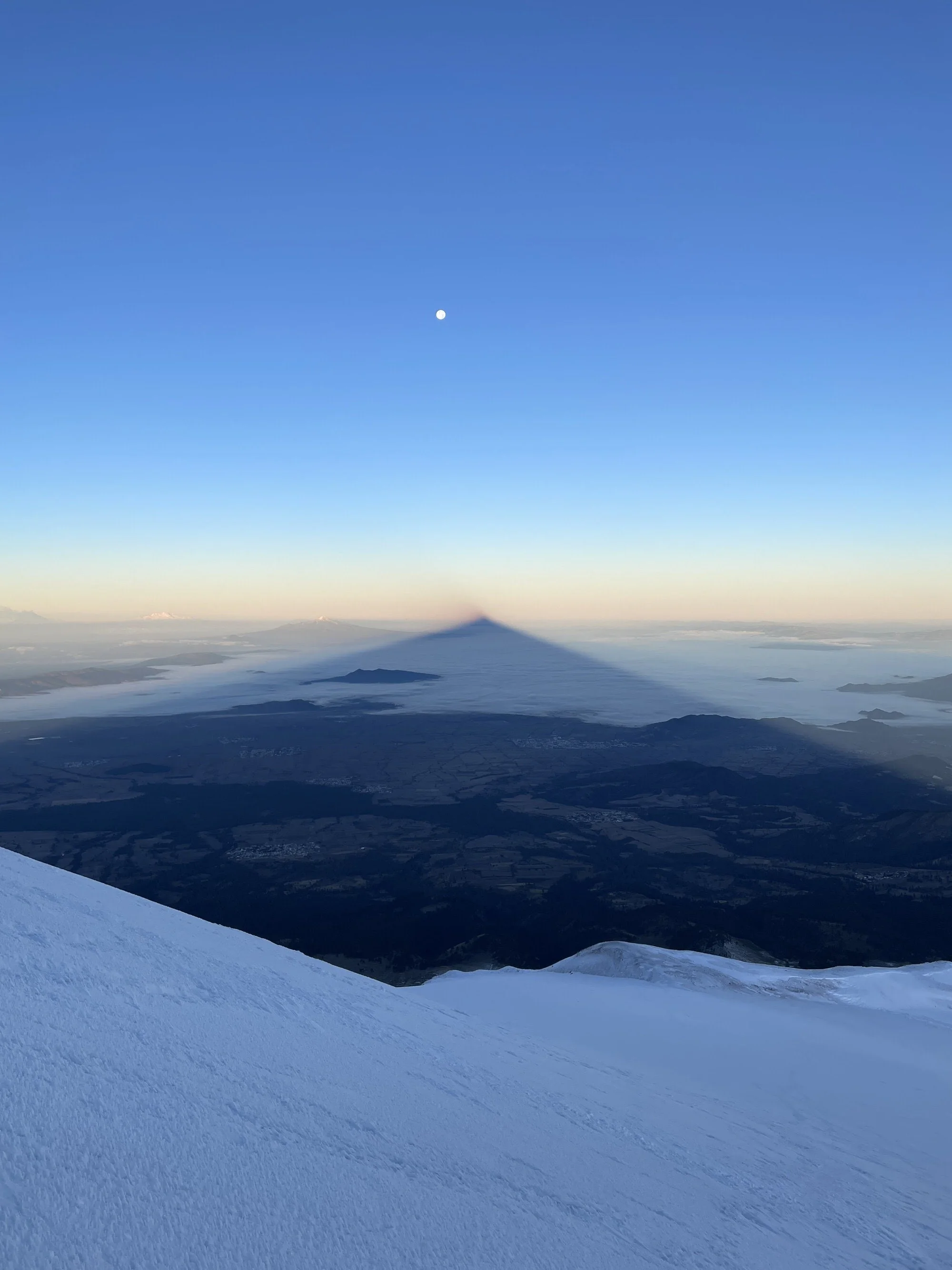
While the footing on the glacier slope was excellent, the wind chill was brutal, hovering around -19 Celcius The sun finally began to rise at 7:00 AM, but it remained blocked by the mountain, leaving us entirely in the freezing shadow.
Just 250m from the summit, the cold took its toll. My vision became blurry, which deeply concerned me. Listening to my body, I made the decision to turn around. My two partners continued upward and successfully made the summit, while I carefully descended on my own, waiting for them at safer intervals down the trail until we could return to the hut as a team.
The Aftermath: Lessons from the Deep Freeze
As it turns out, the mountain left its mark on us:
Me: Diagnosed with a frozen eye (which hurt incredibly bad!) and frostnipped toes.
Louis: Suffered frostnip on his fingers.
Chris: Wore crampons for the first time, rented 100% of his layers, and walked away completely fine. He called it the hardest thing he's ever done and claims his mountaineering career is officially over!
Despite the extreme cold and turning around just shy of the peak, it was an incredible few days on the mountain.
Update: It’s been two days since the climb, and thankfully, my vision has fully recovered. Nest time, I am brining clear eyeglasses for these snow climbs.