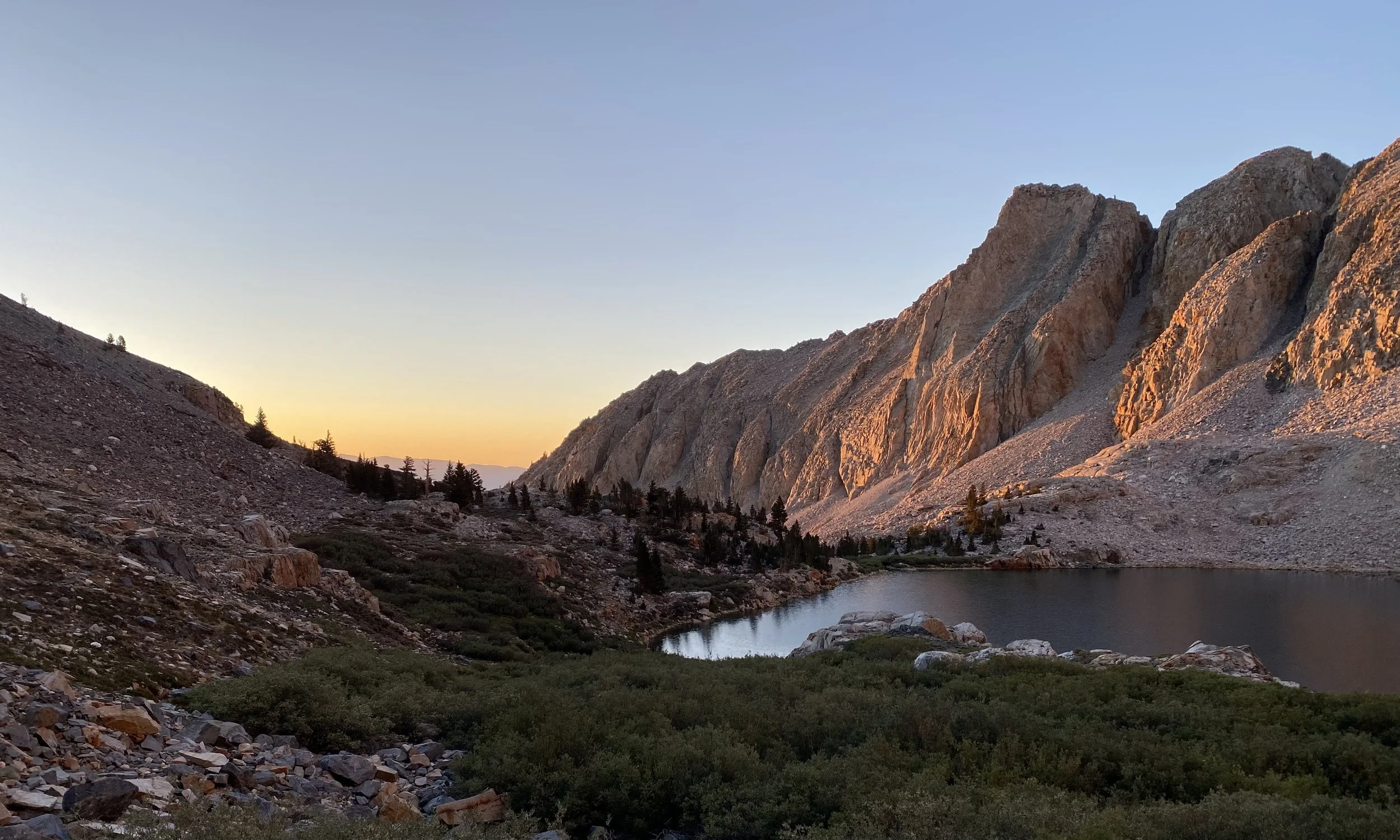
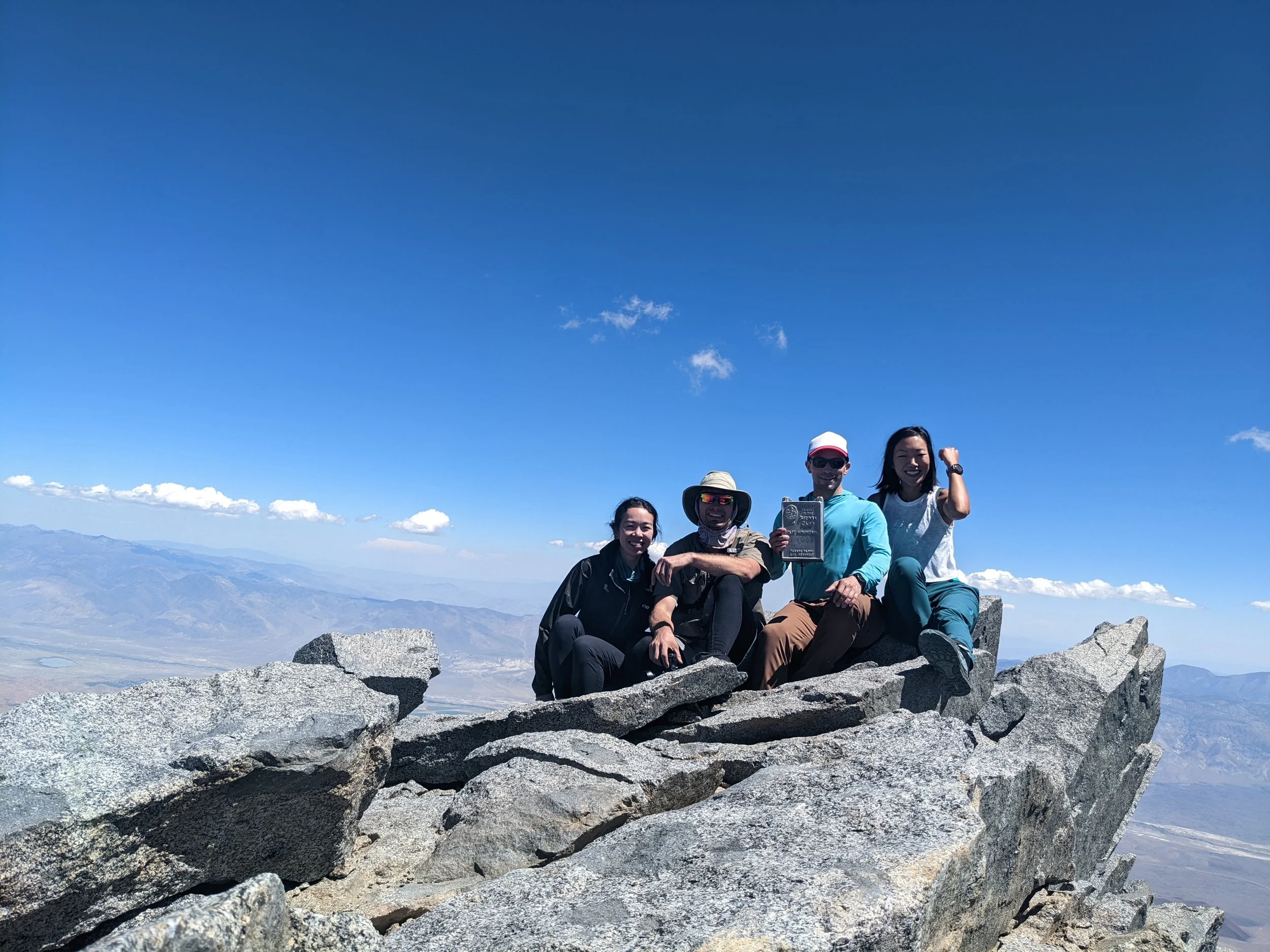
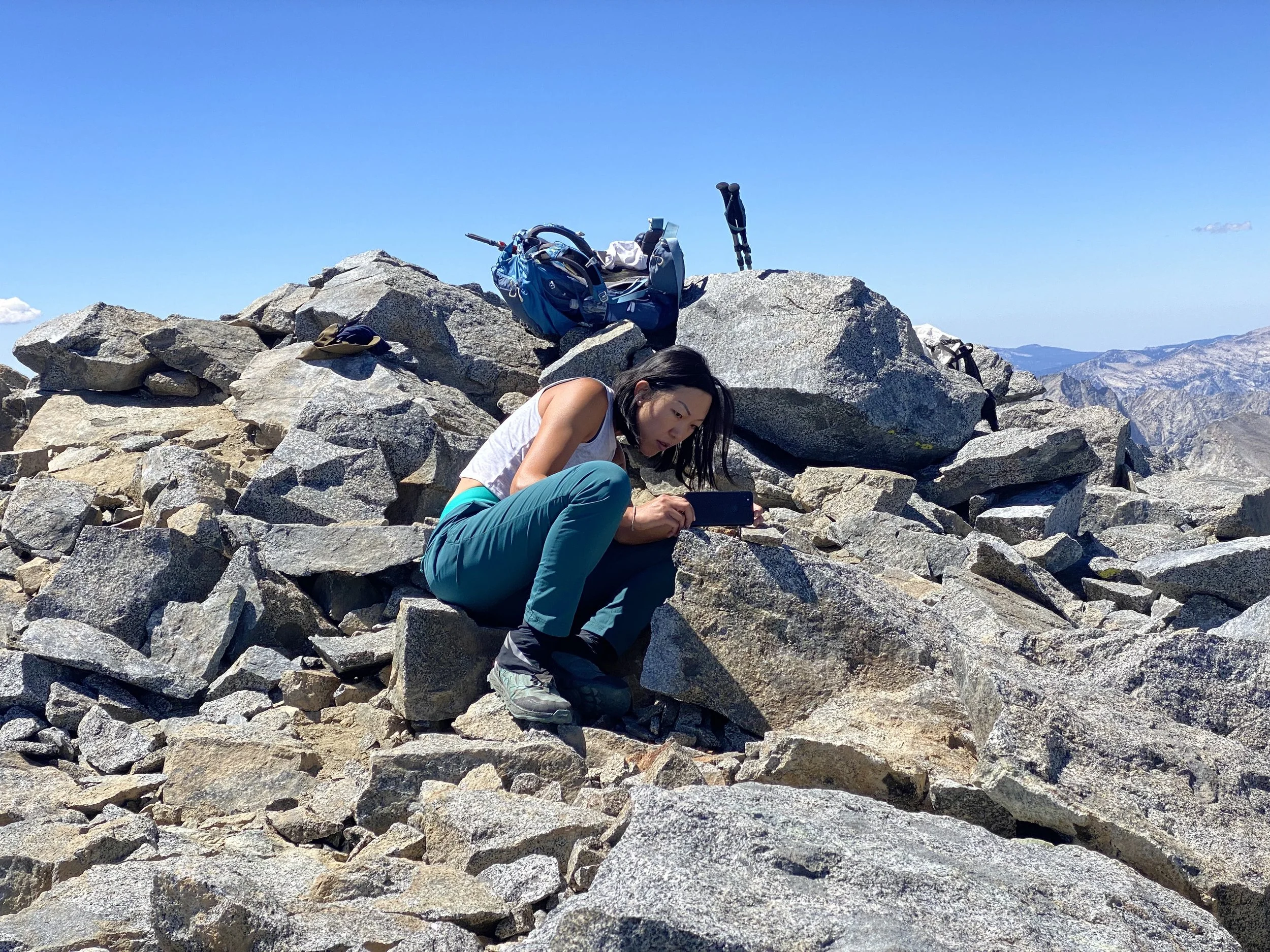
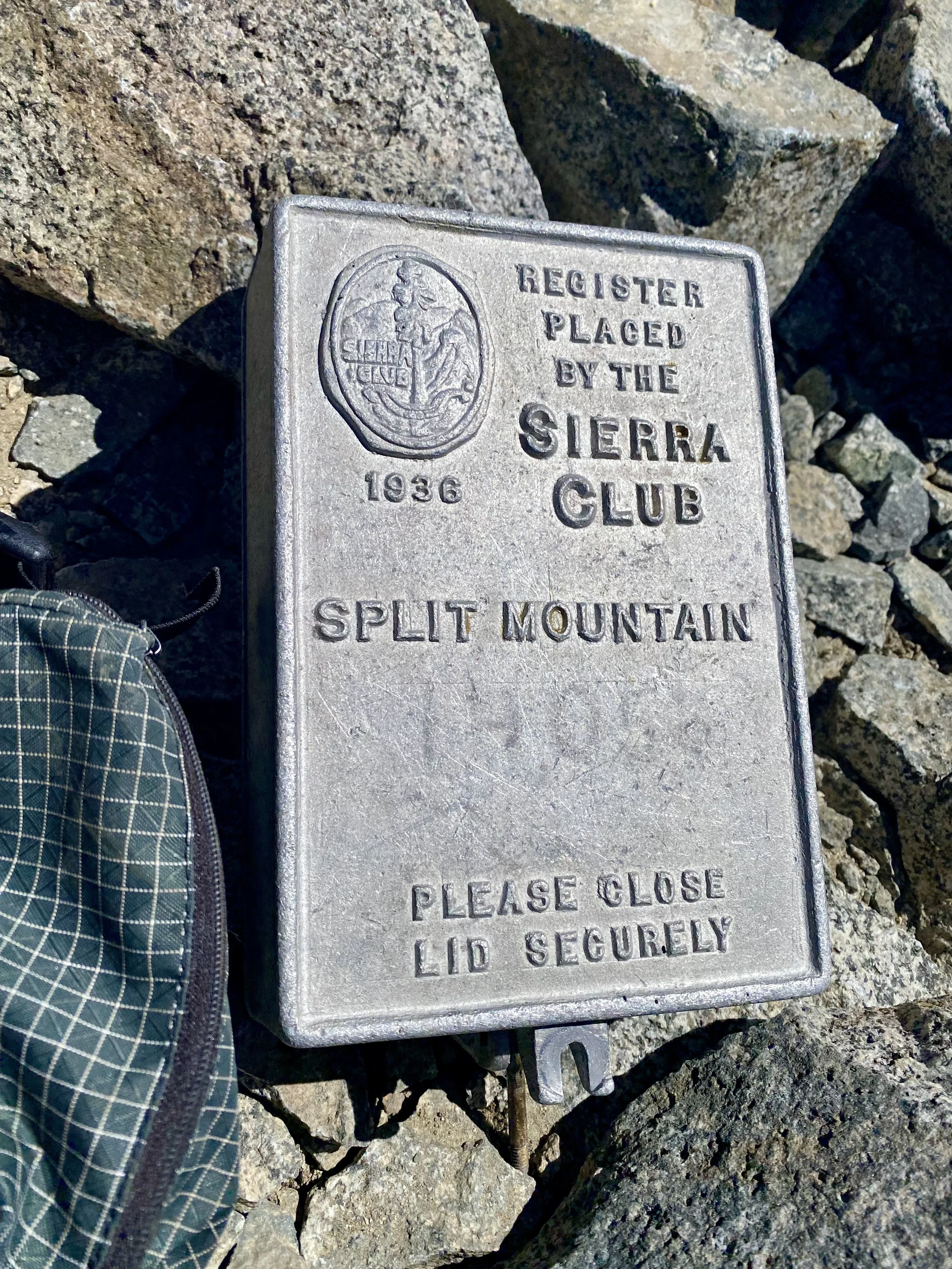
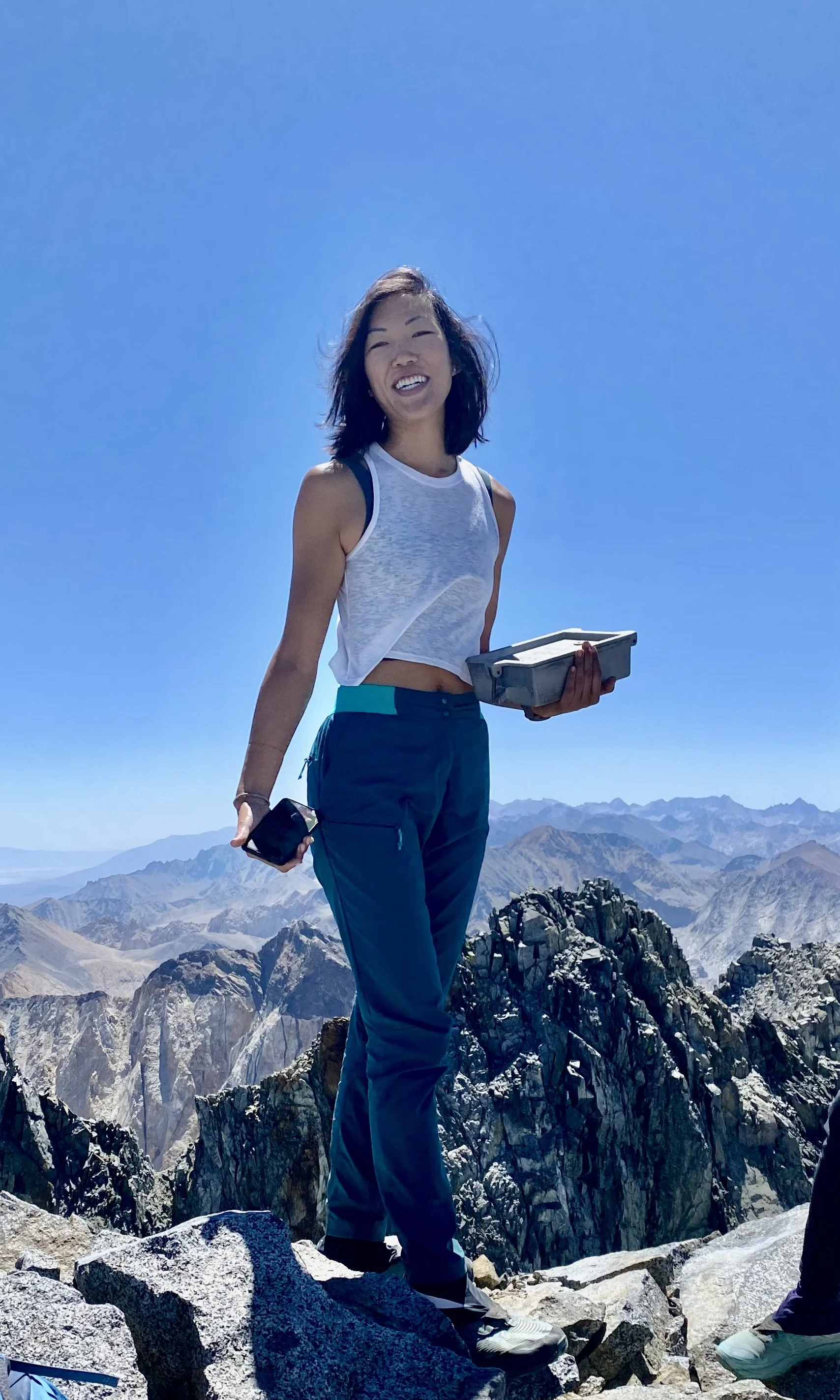
On Saturday, August 27, 2022, I summited Split Mountain, my ninth California 14er. This trip was equal parts rewarding, humbling, and emotionally heavy—especially knowing that search and rescue (SAR) teams were out looking for a missing hiker during the same weekend.
Here’s a breakdown of the journey:
Thursday Night – Acclimatizing in Mammoth Lakes
I’ve learned that I’m sensitive to altitude, so I always try to spend a night higher up before big climbs. Mammoth Lakes was the perfect stop to acclimatize and prepare for the weekend.
Friday Afternoon – Red Lake Approach
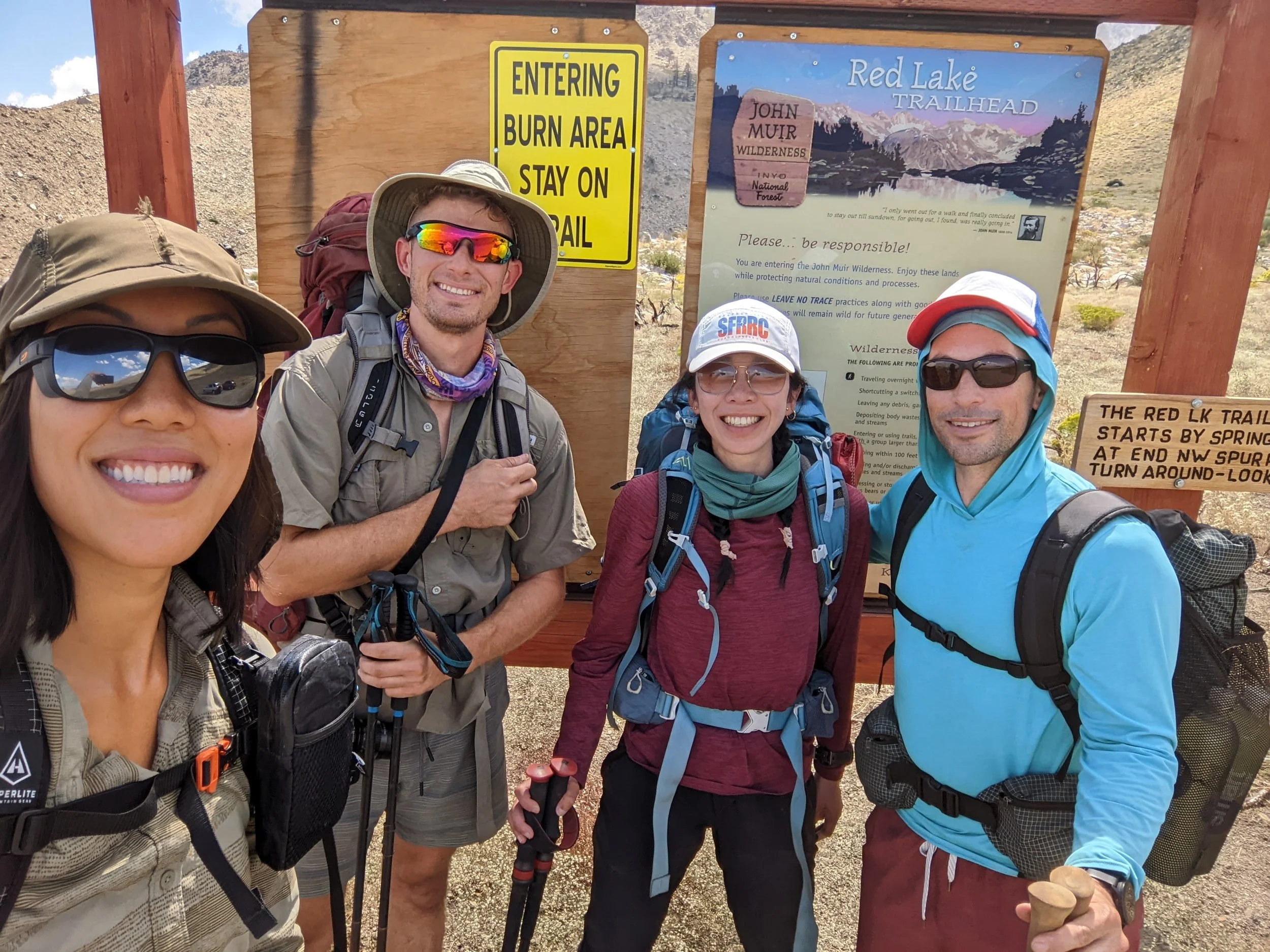
Route: Trailhead → Red Lake
Stats: ~4 miles | 4,000+ ft gain | 3 hrs 20 mins
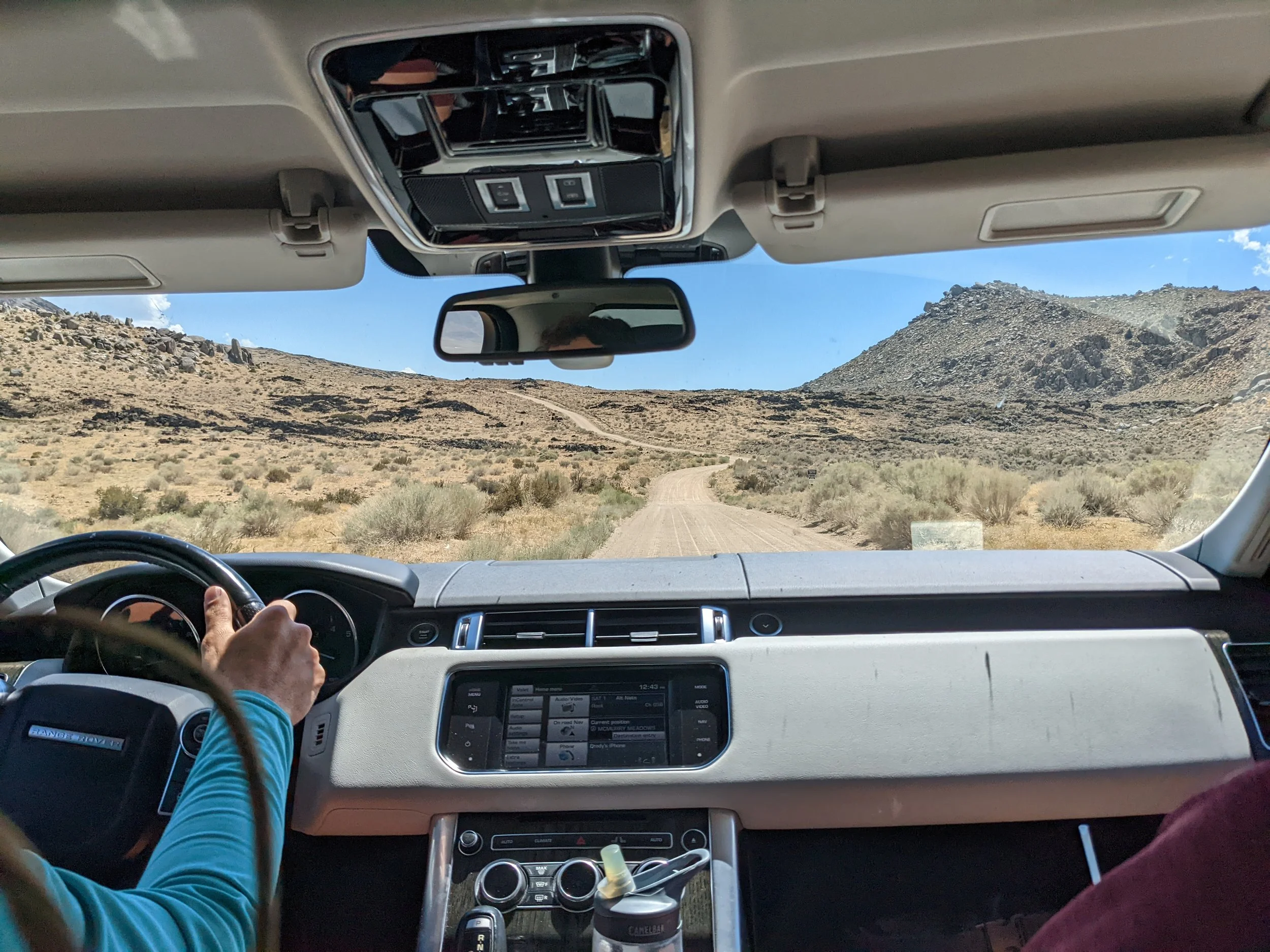
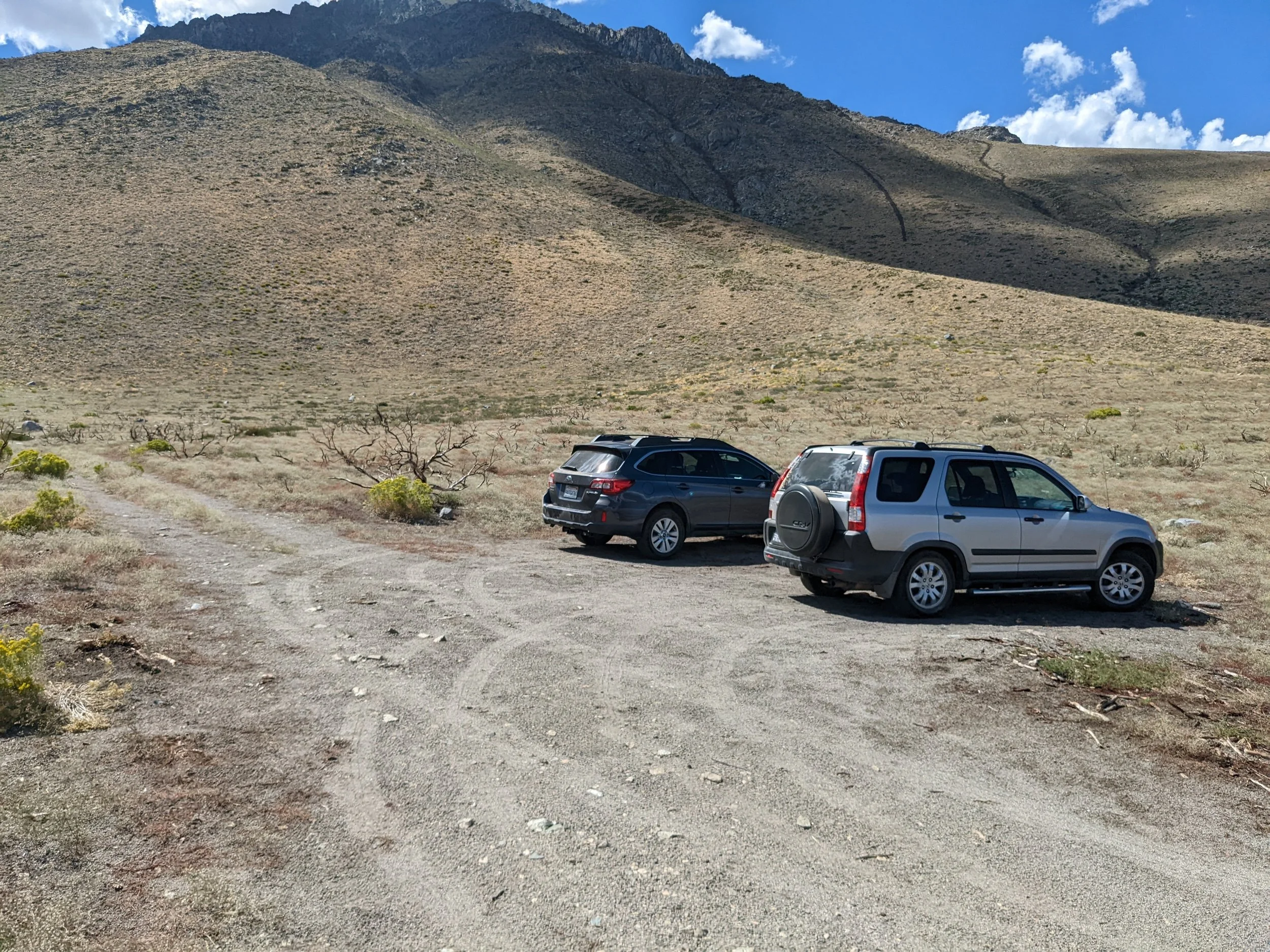
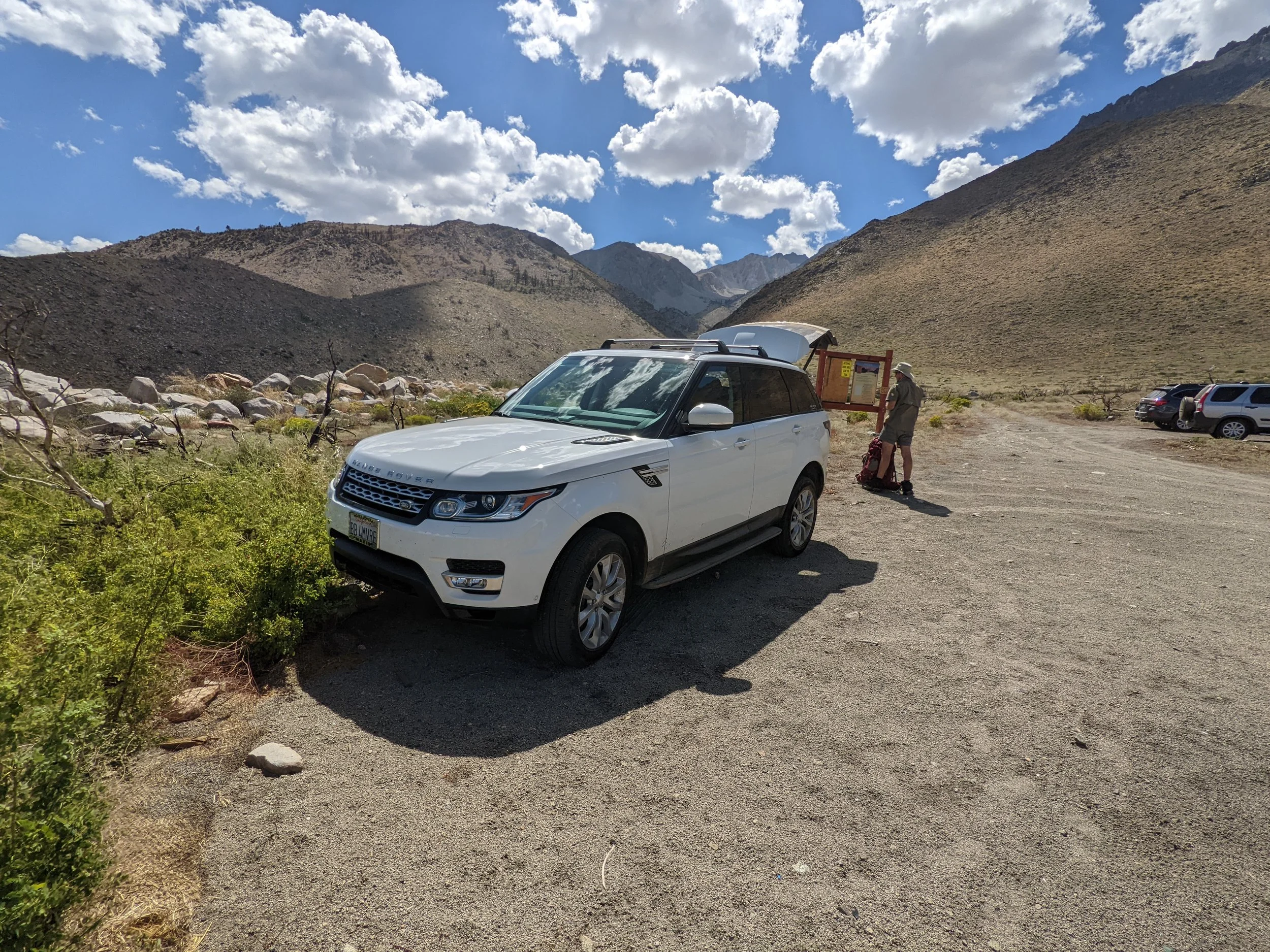
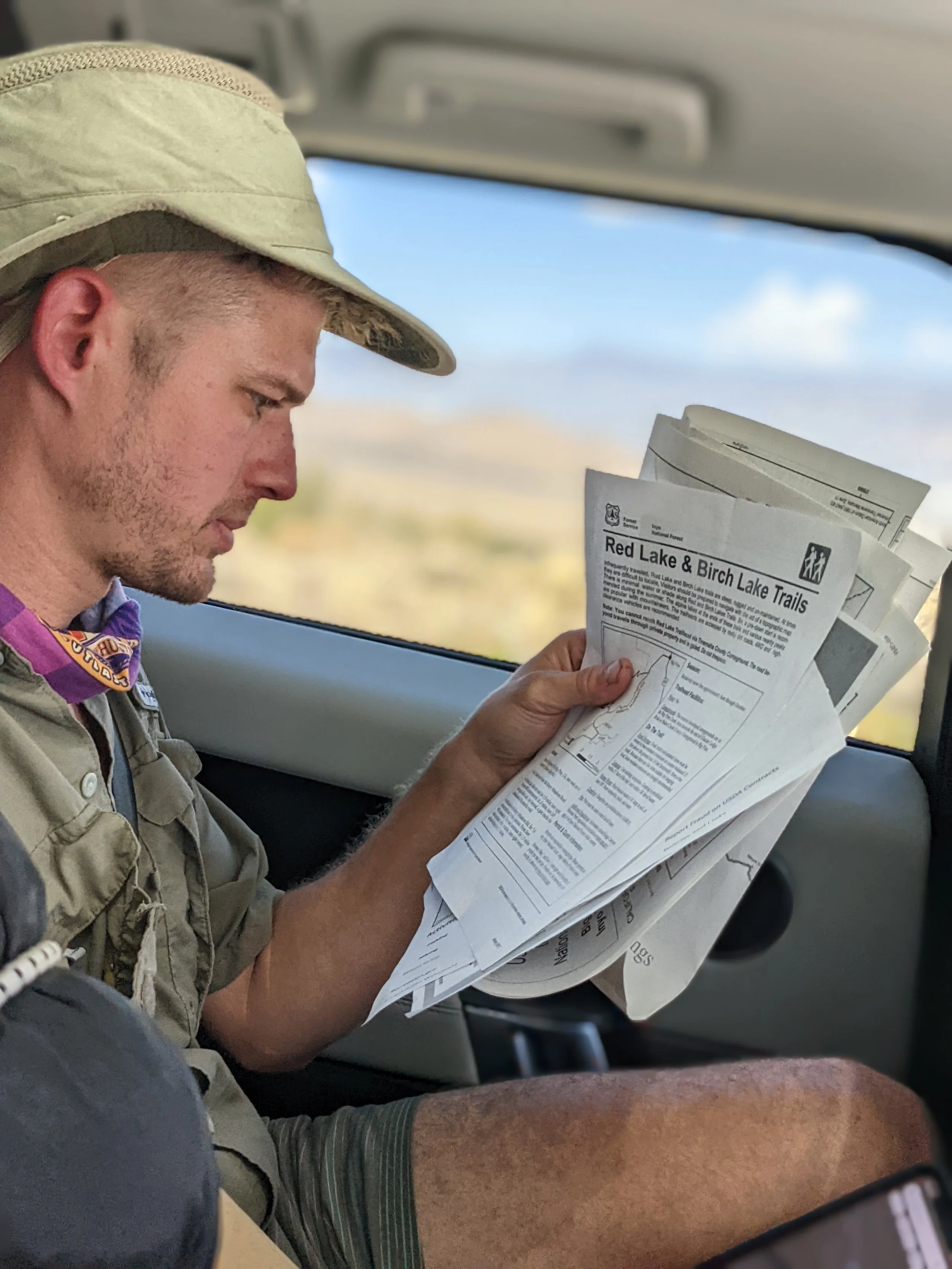
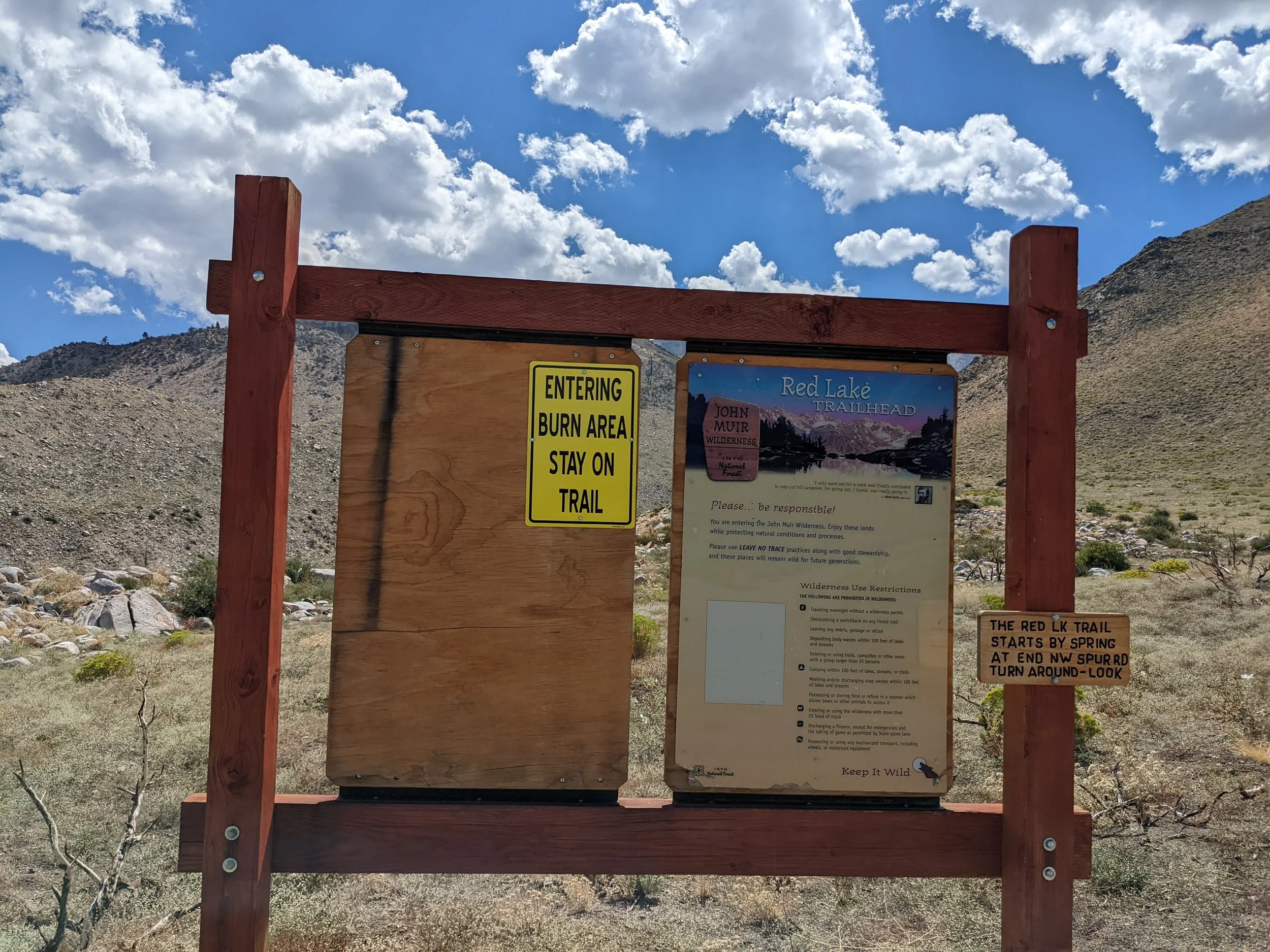
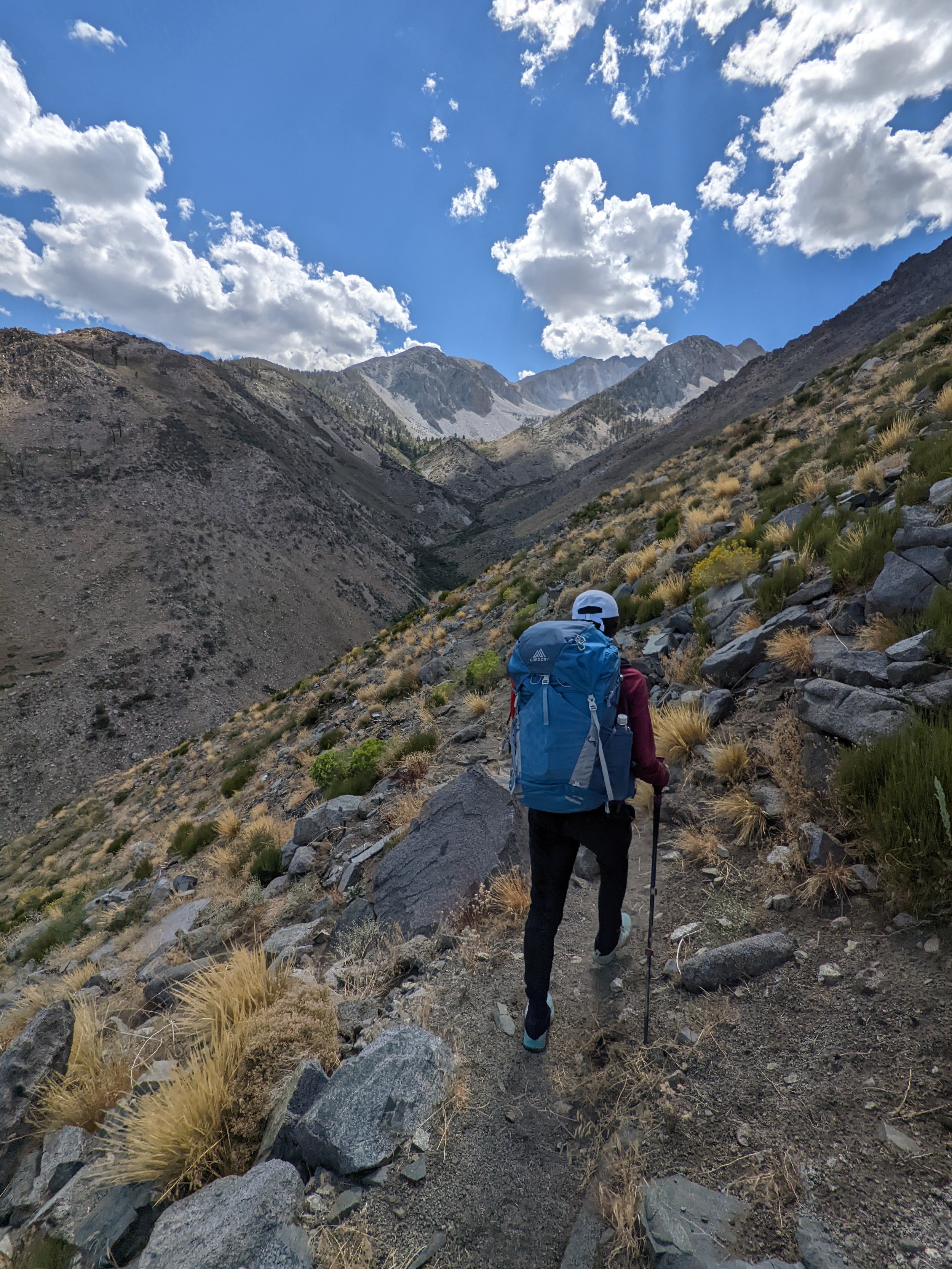
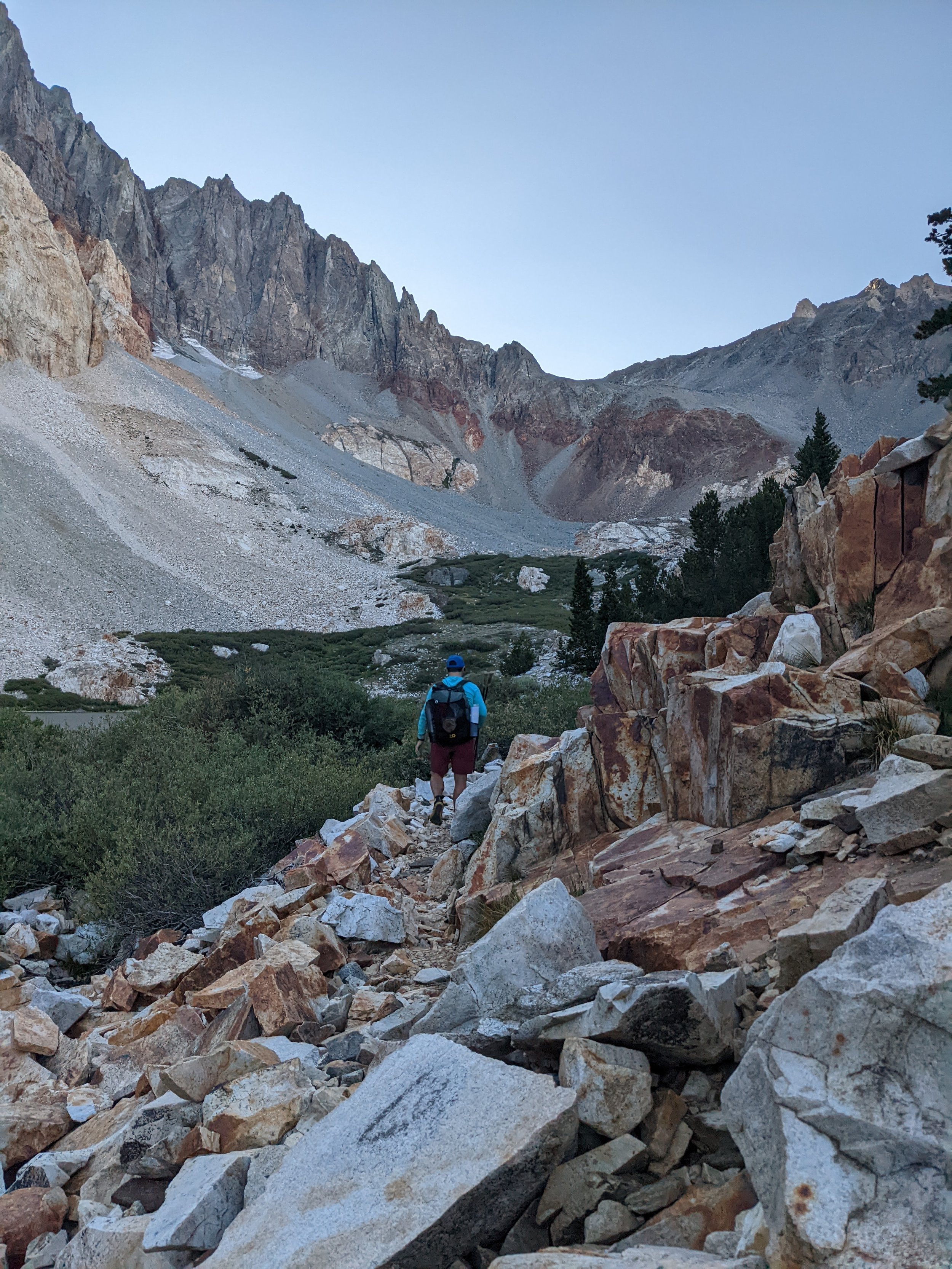
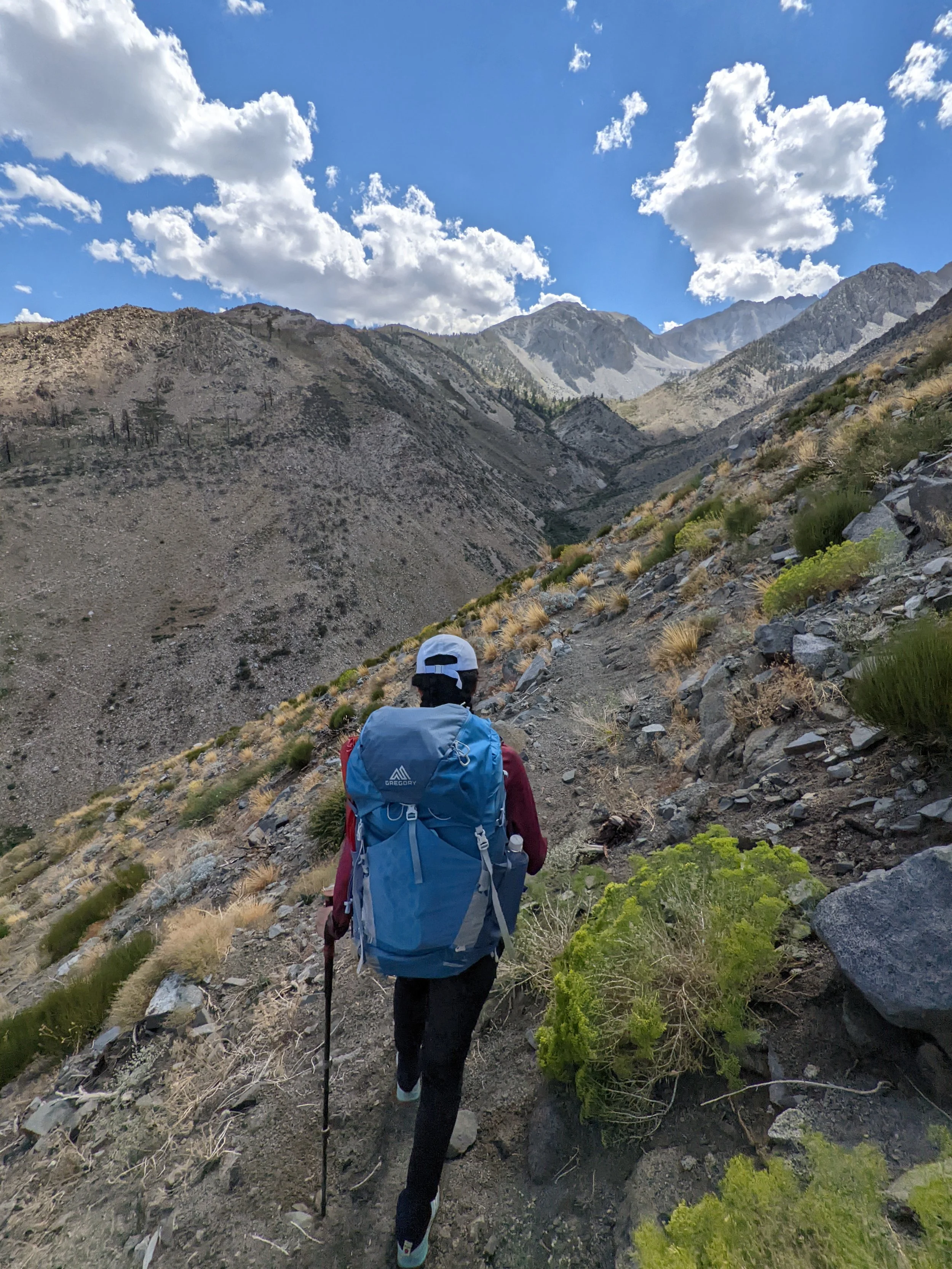
The hike into Red Lake is a straightforward Class 2 walk, though a high-clearance vehicle is essential just to get to the trailhead. Pro tip: grab a paper copy of directions from the wilderness center ahead of time—the roads can be confusing.
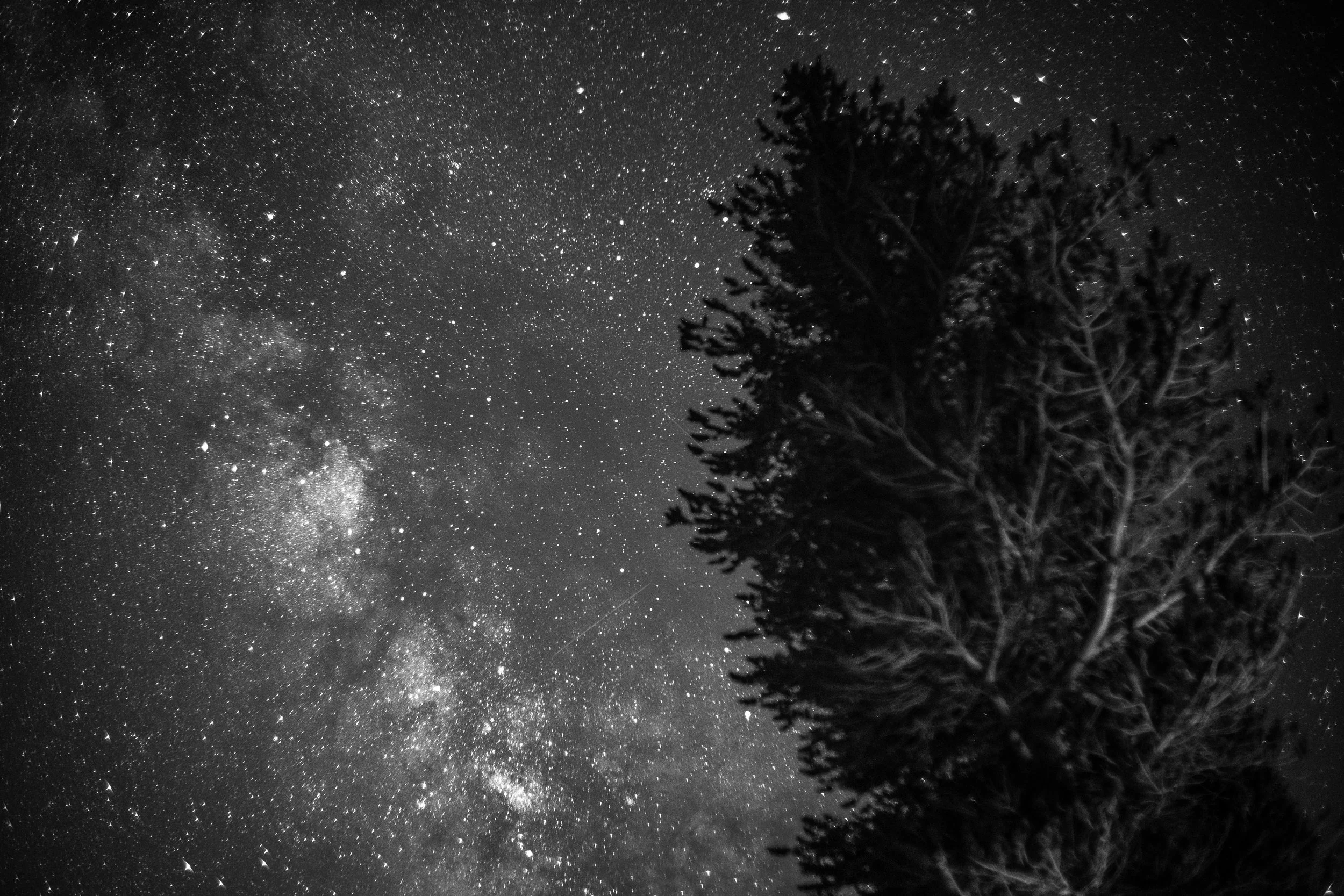
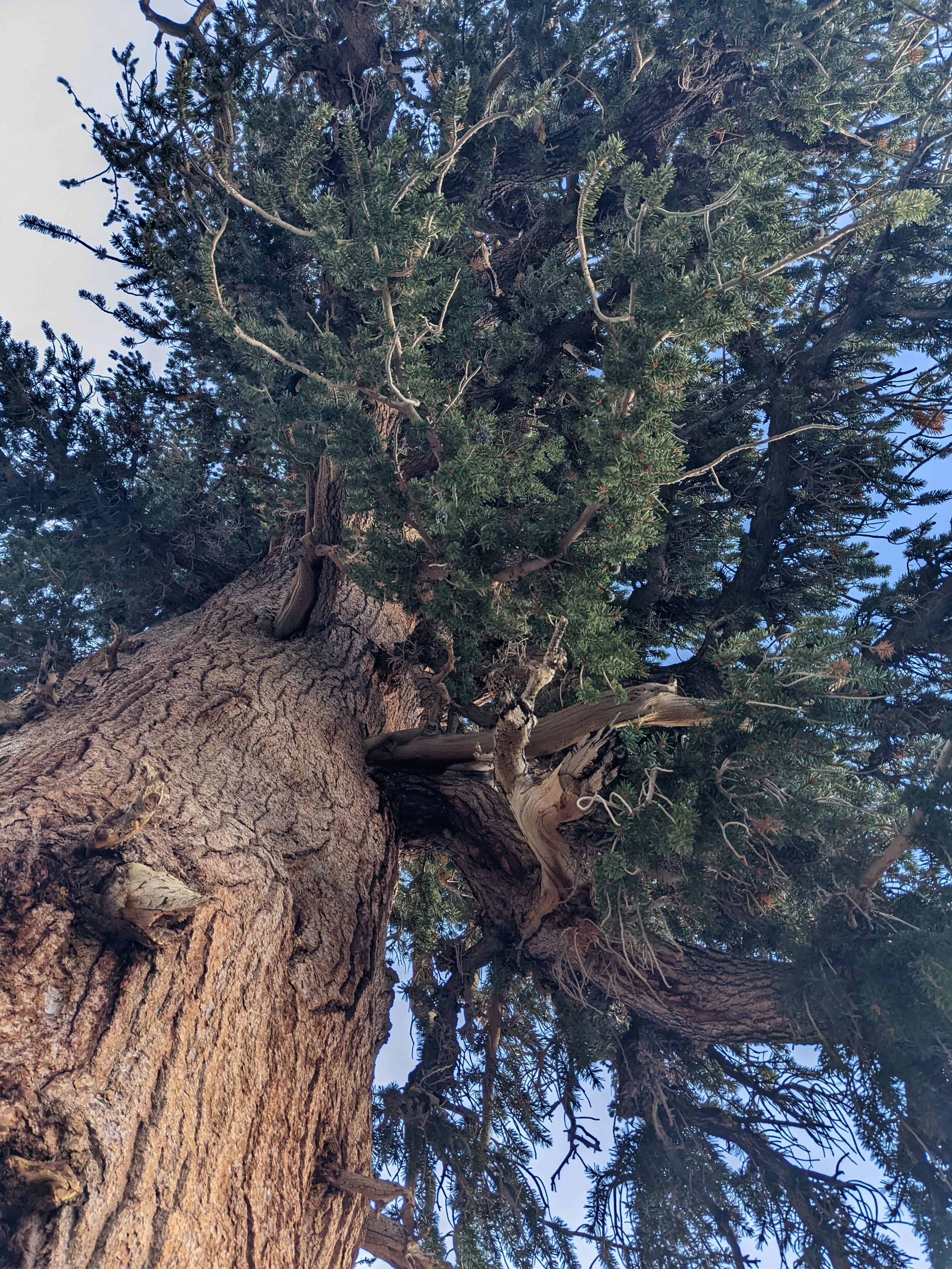
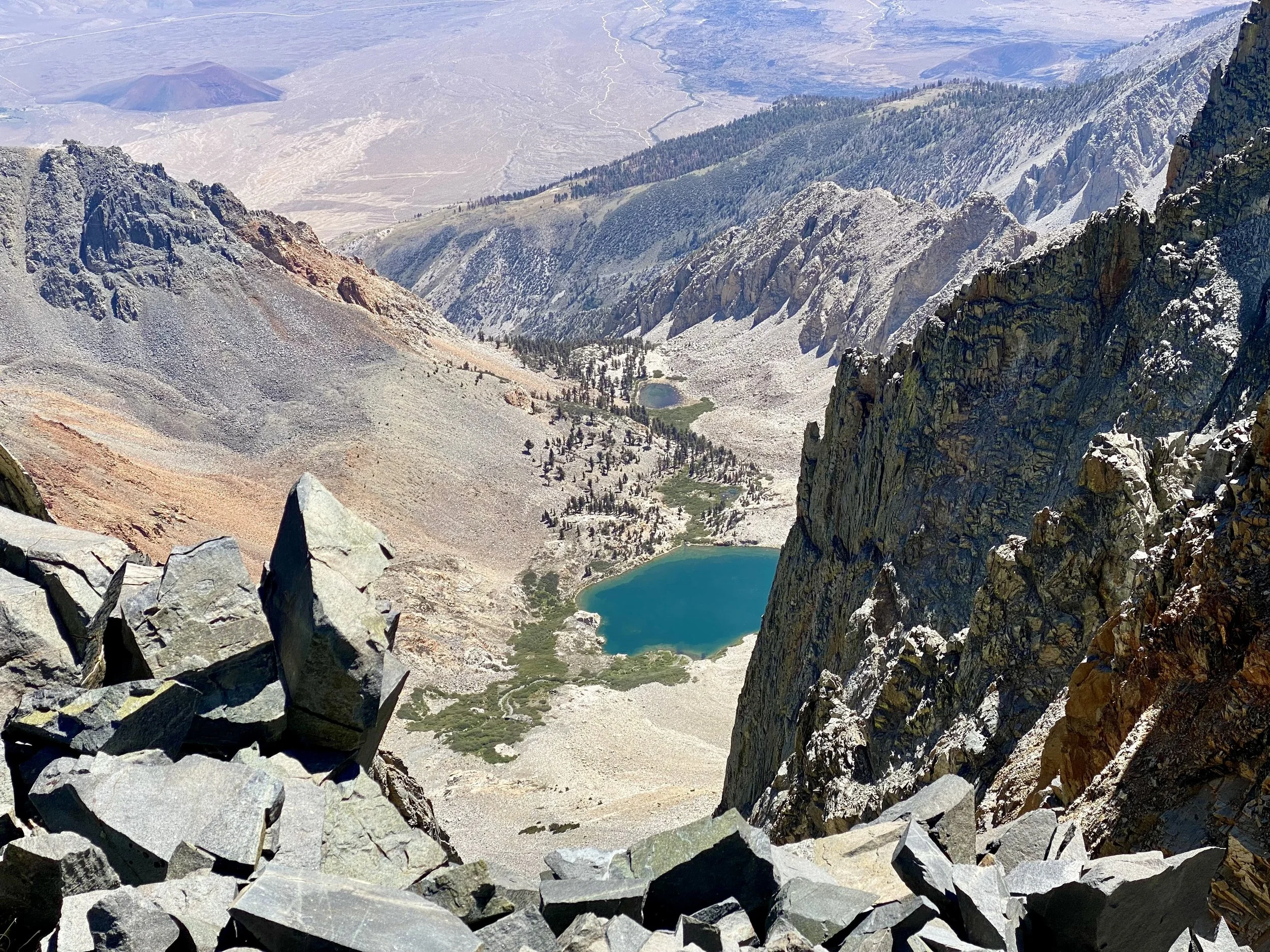
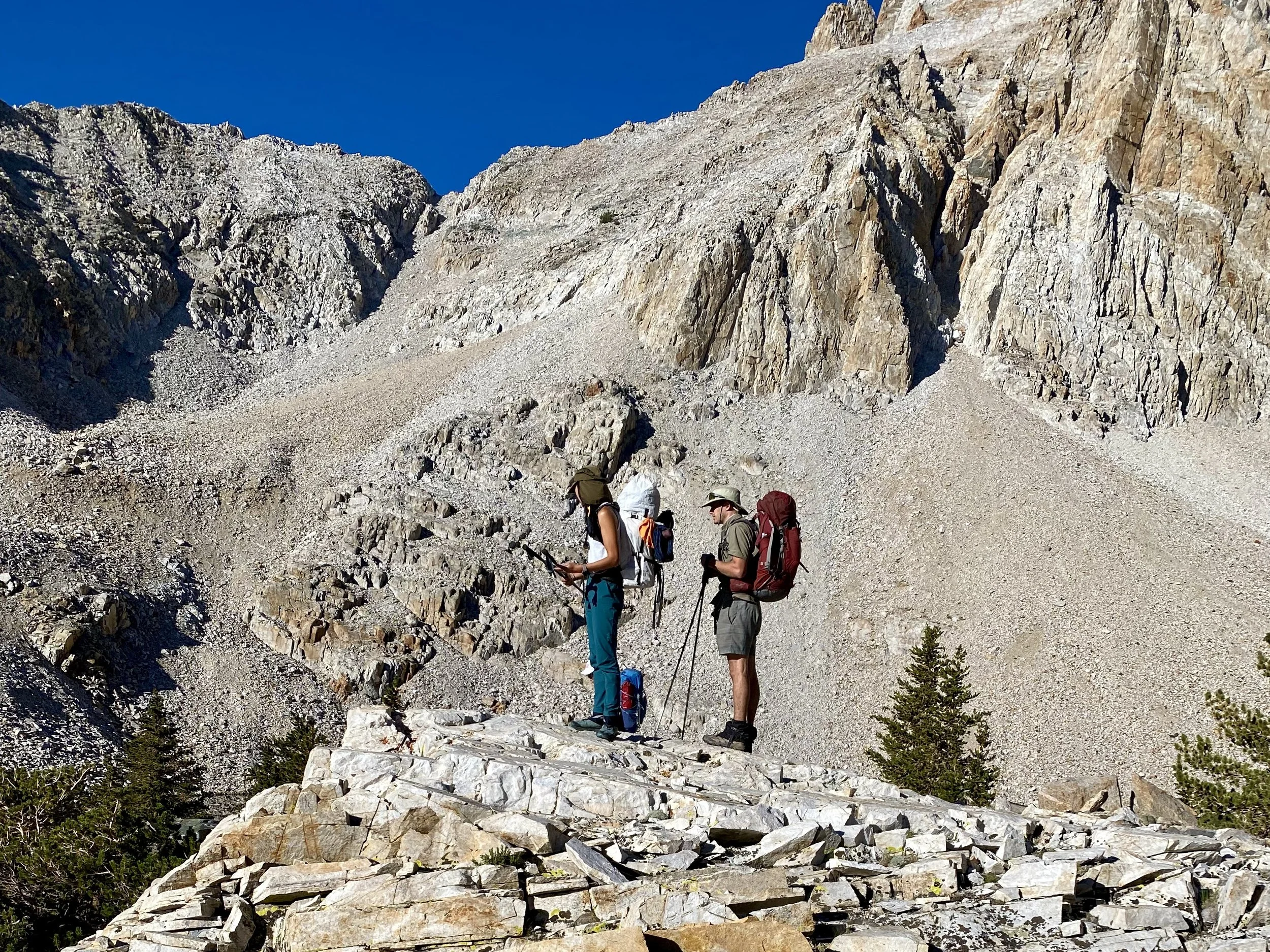
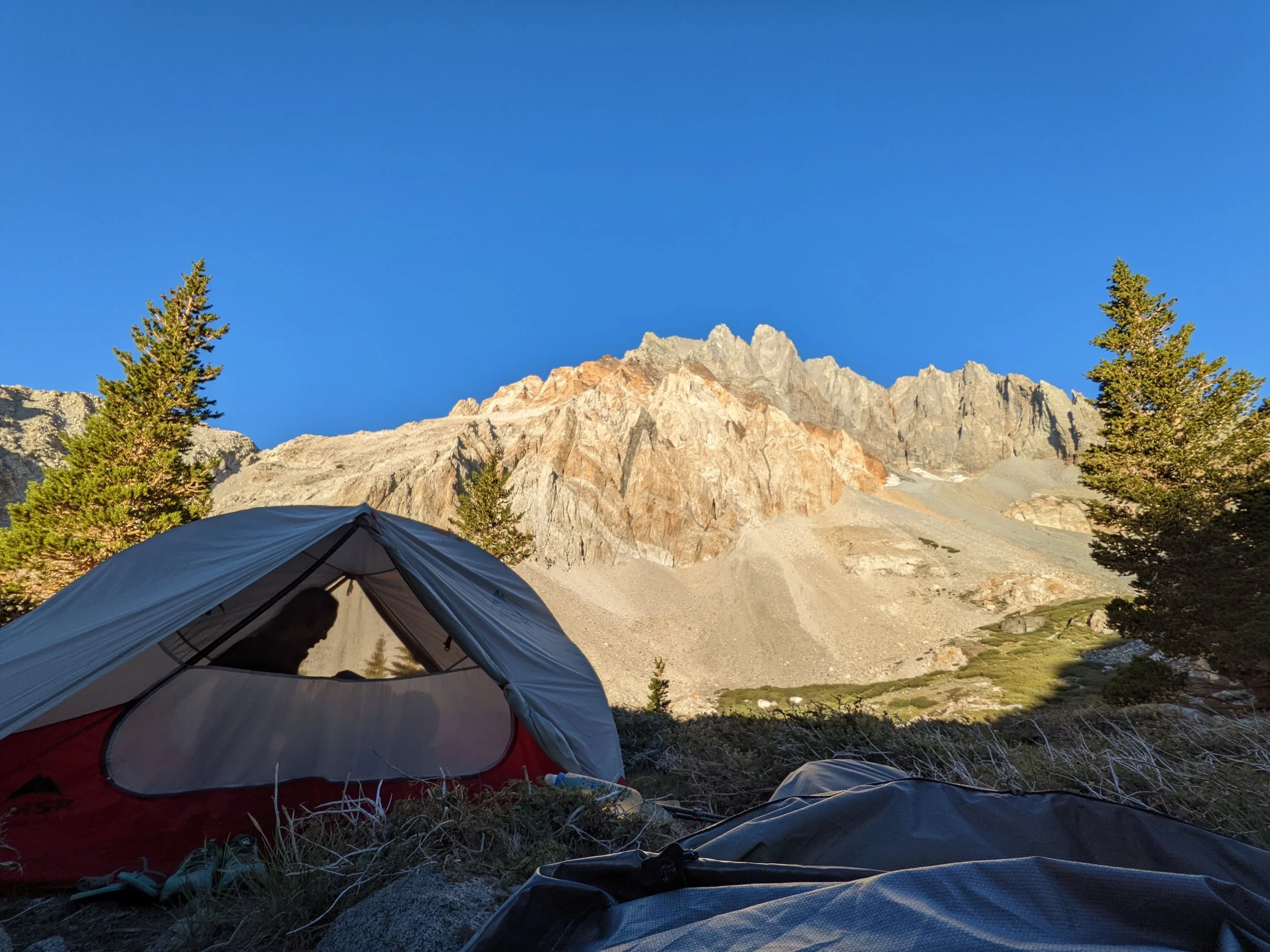
We passed a smaller lake before reaching Red Lake and decided to camp higher up to avoid the crowds clustered around the water.
Saturday – Summit Day
Start: 7:00 AM from camp
Stats: 5.3 miles | 3,800 ft gain | Back to camp by 6:00 PM
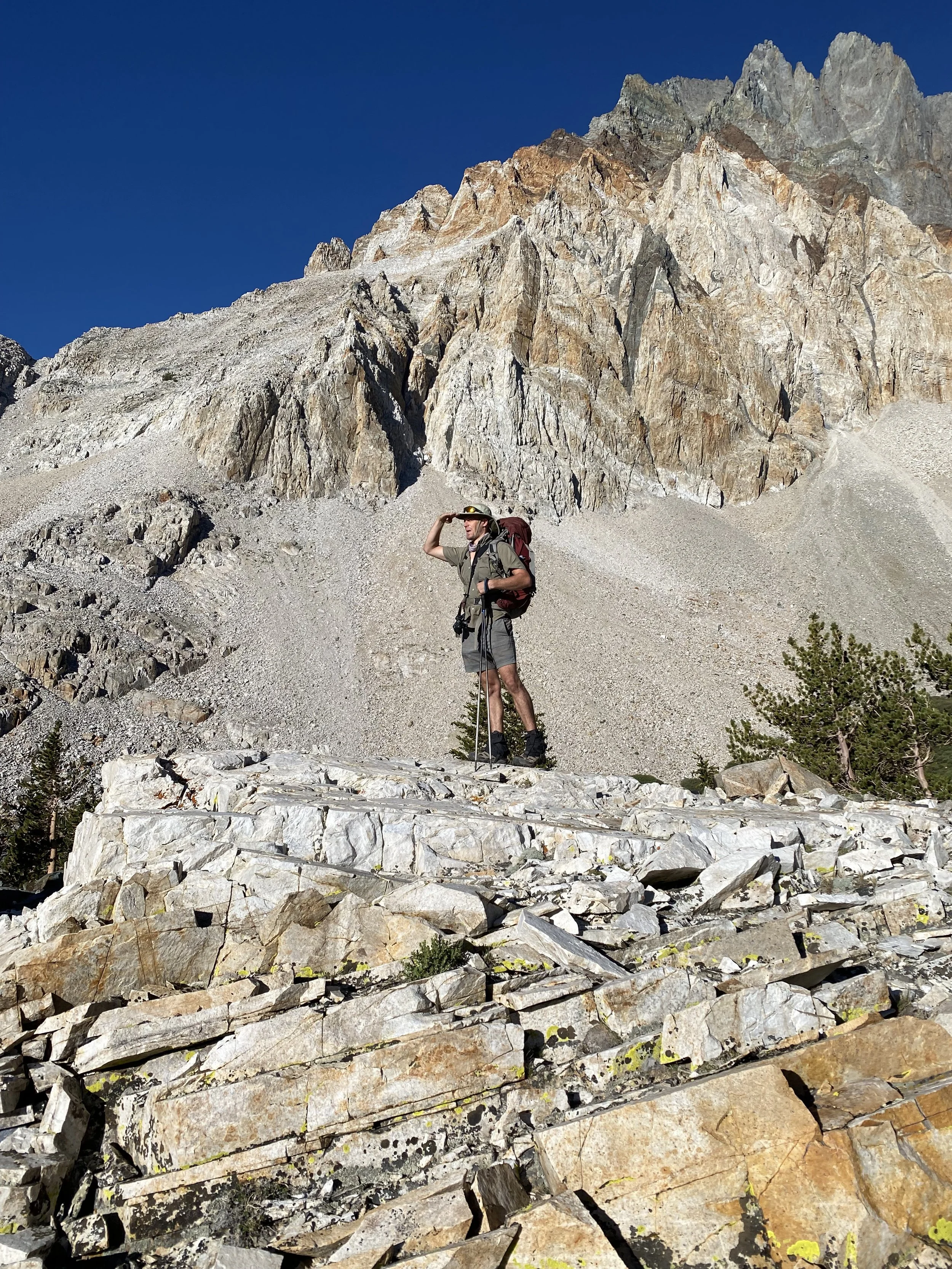
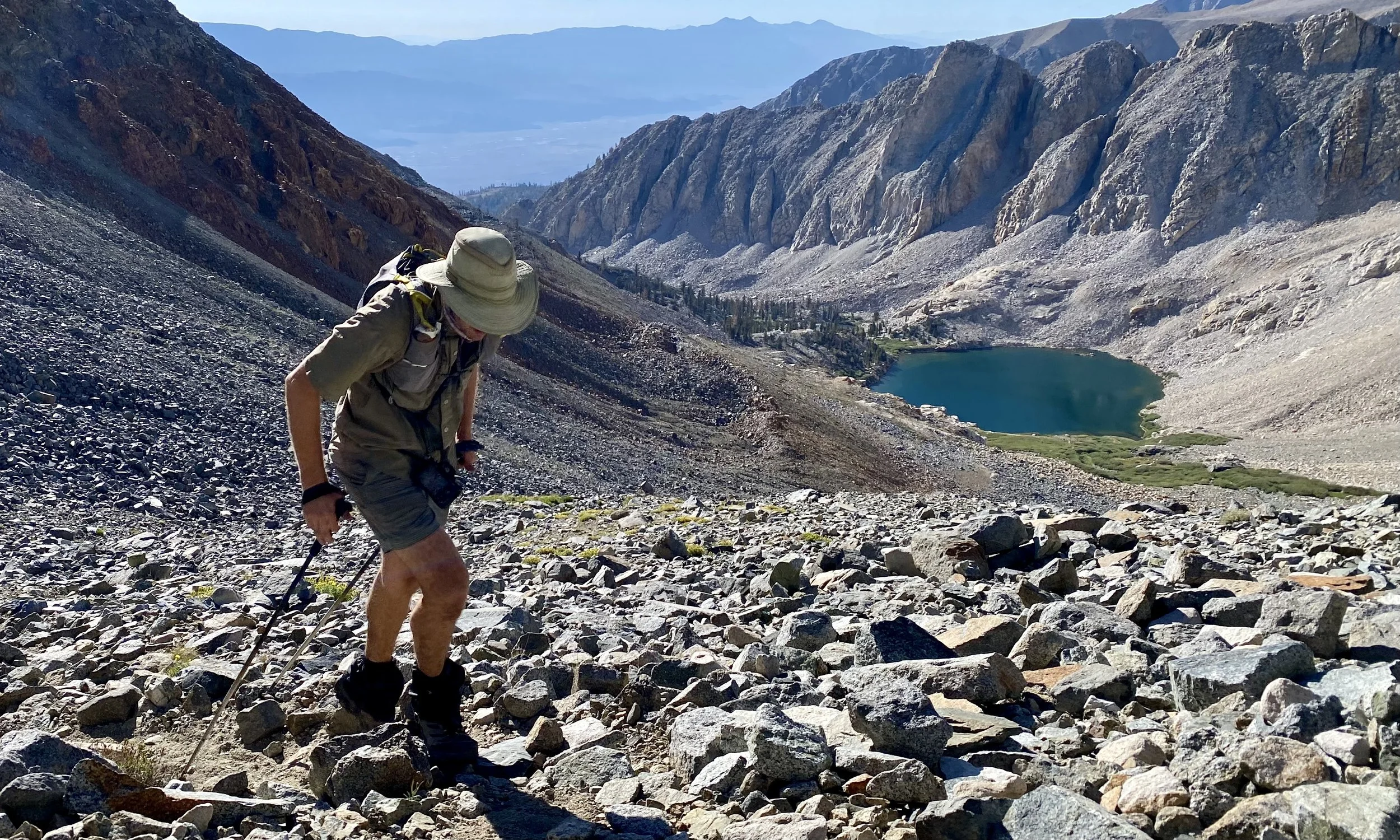
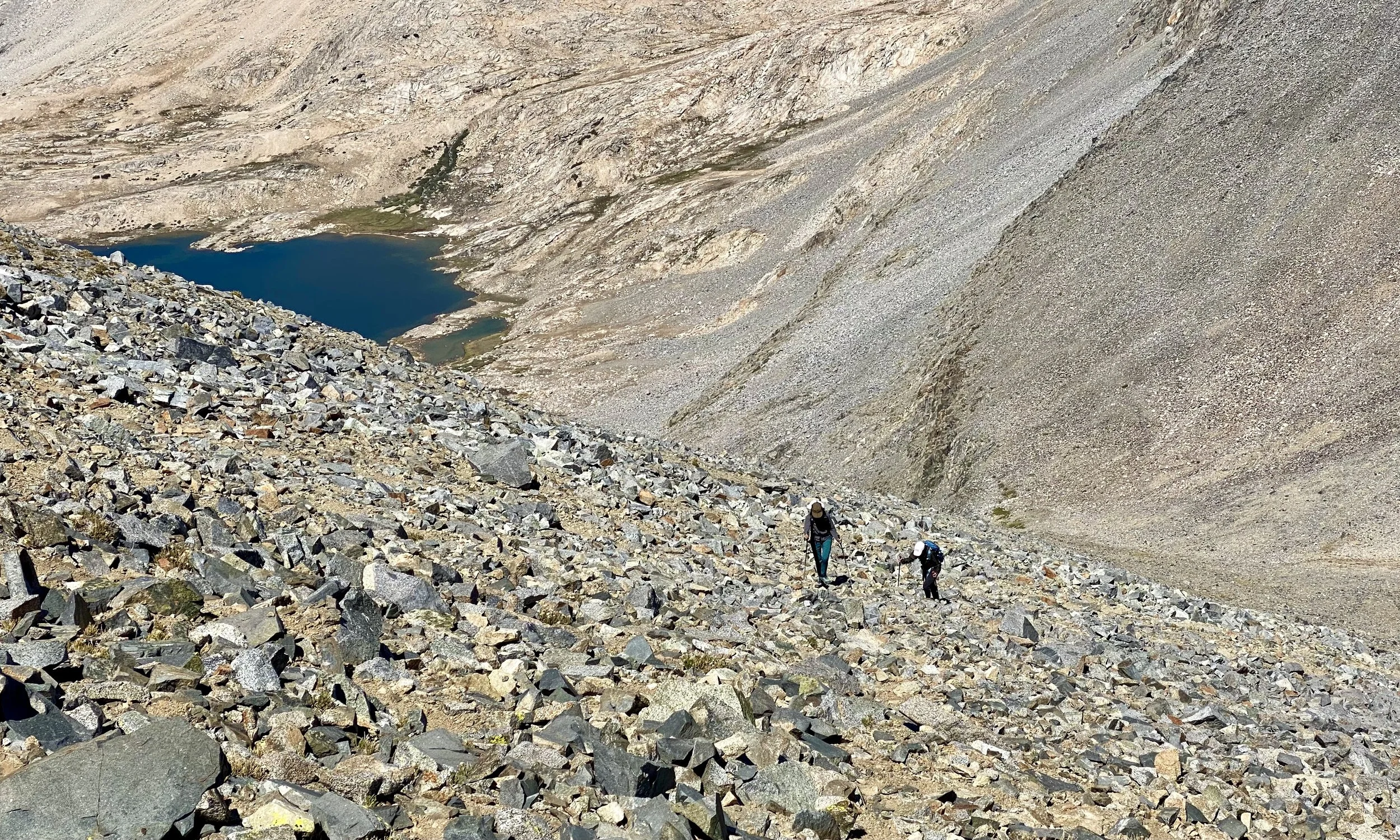
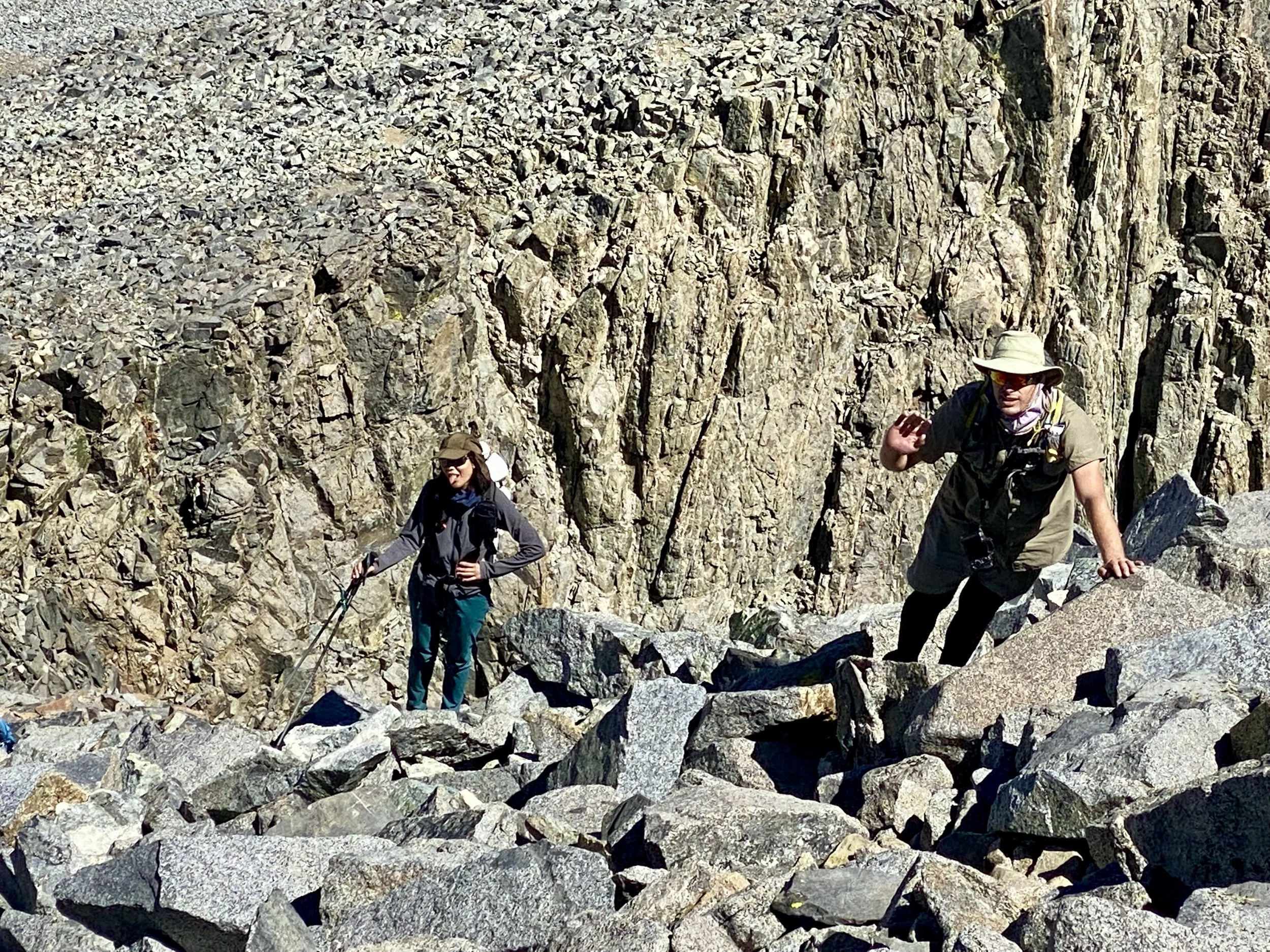
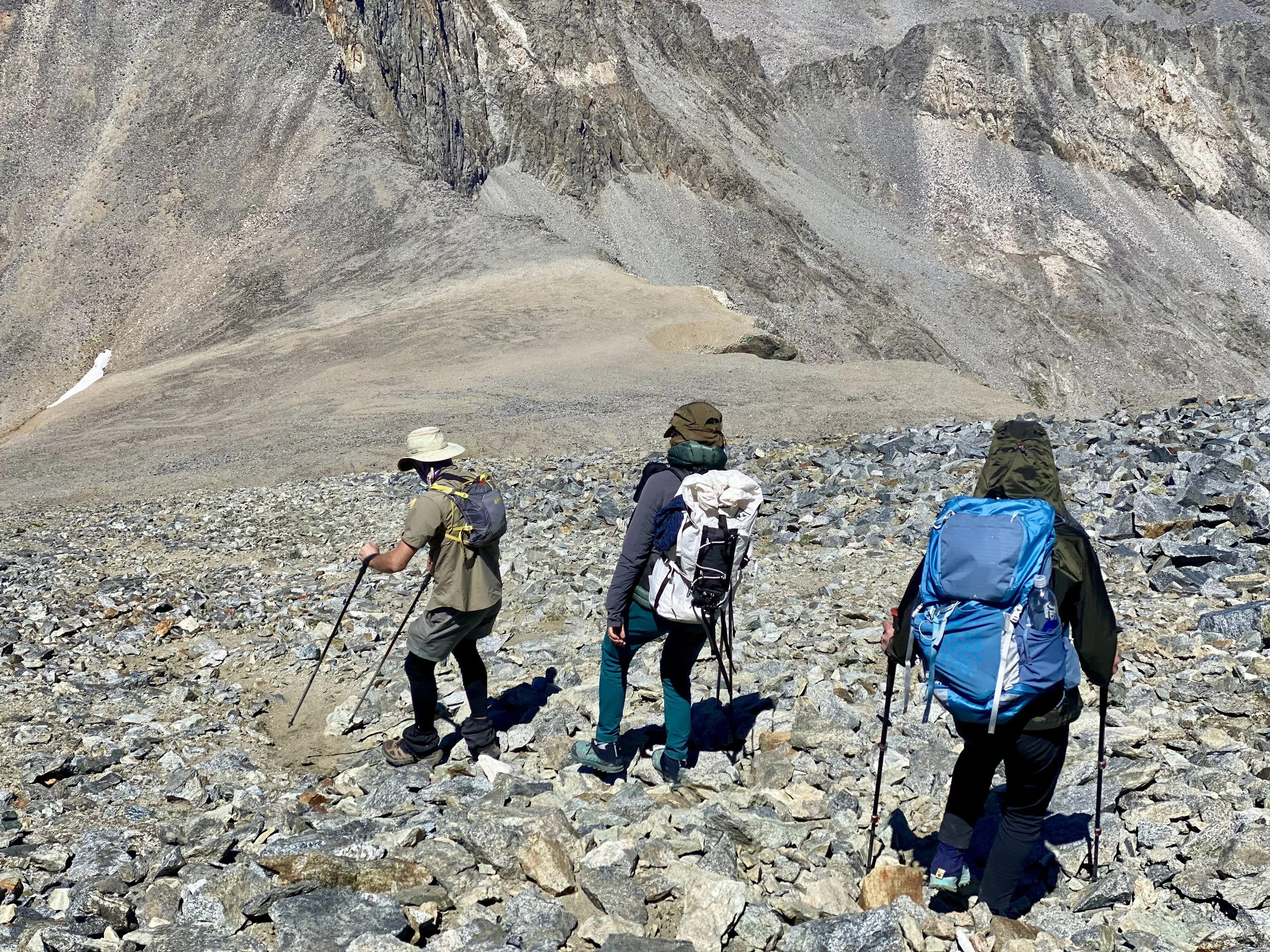
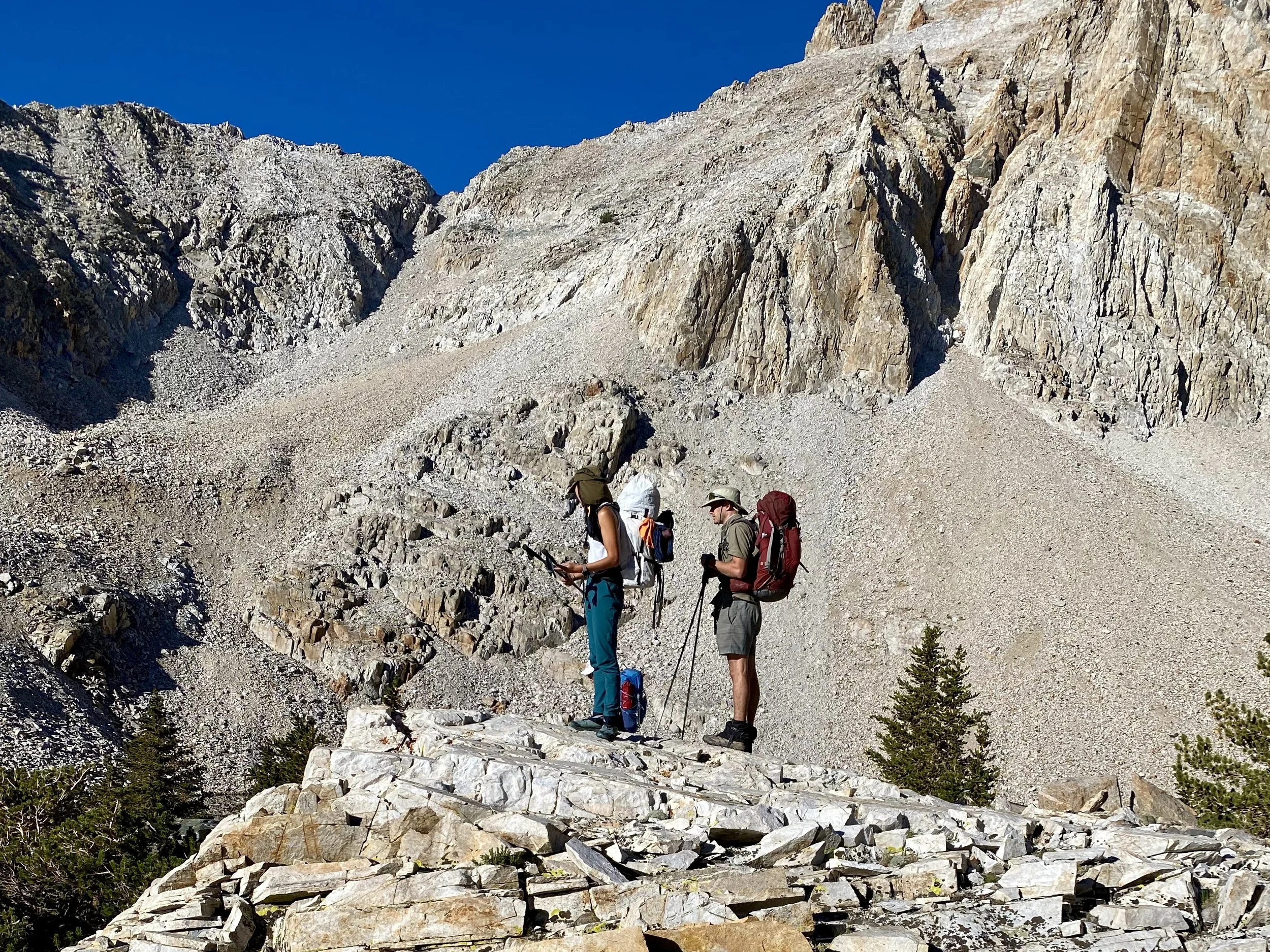
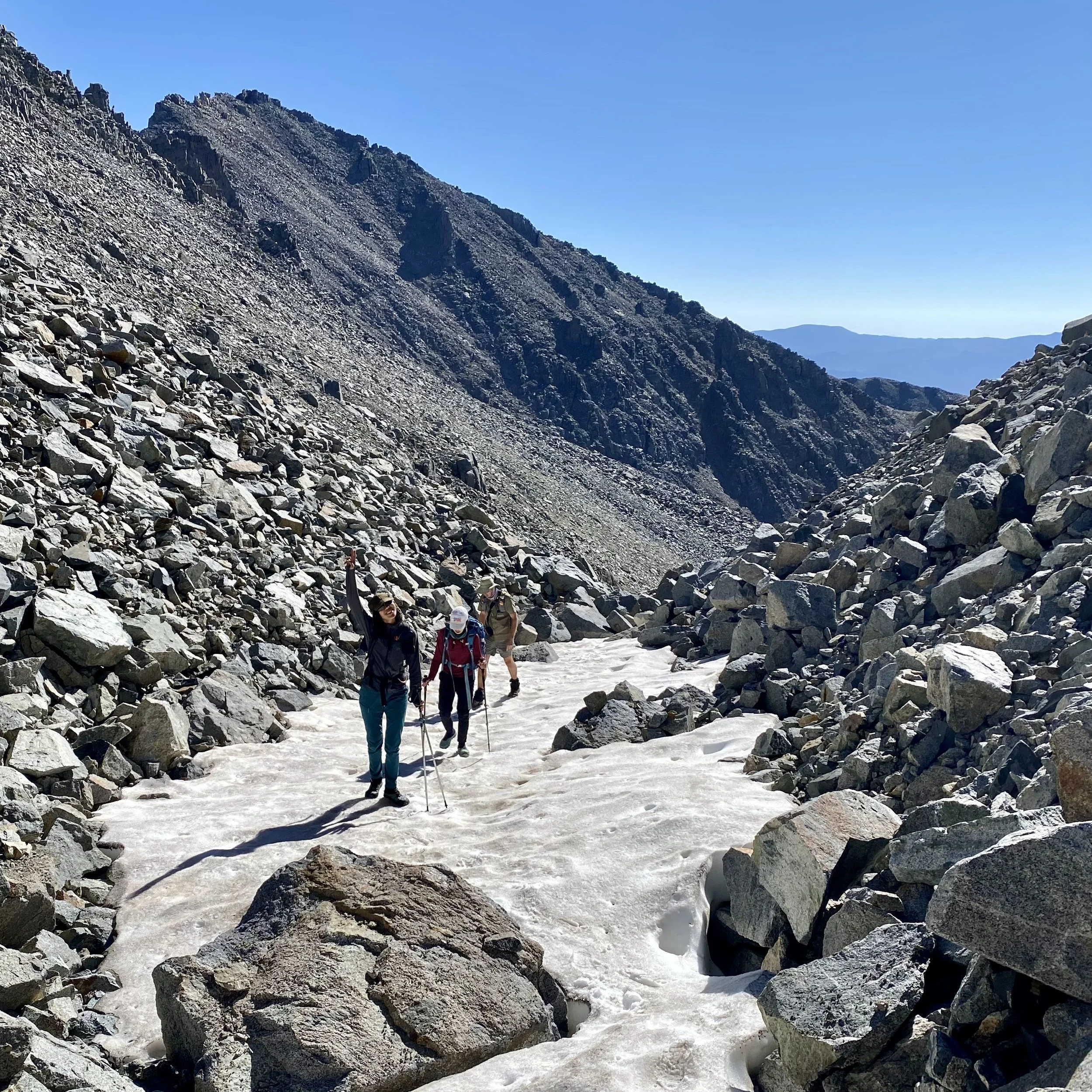
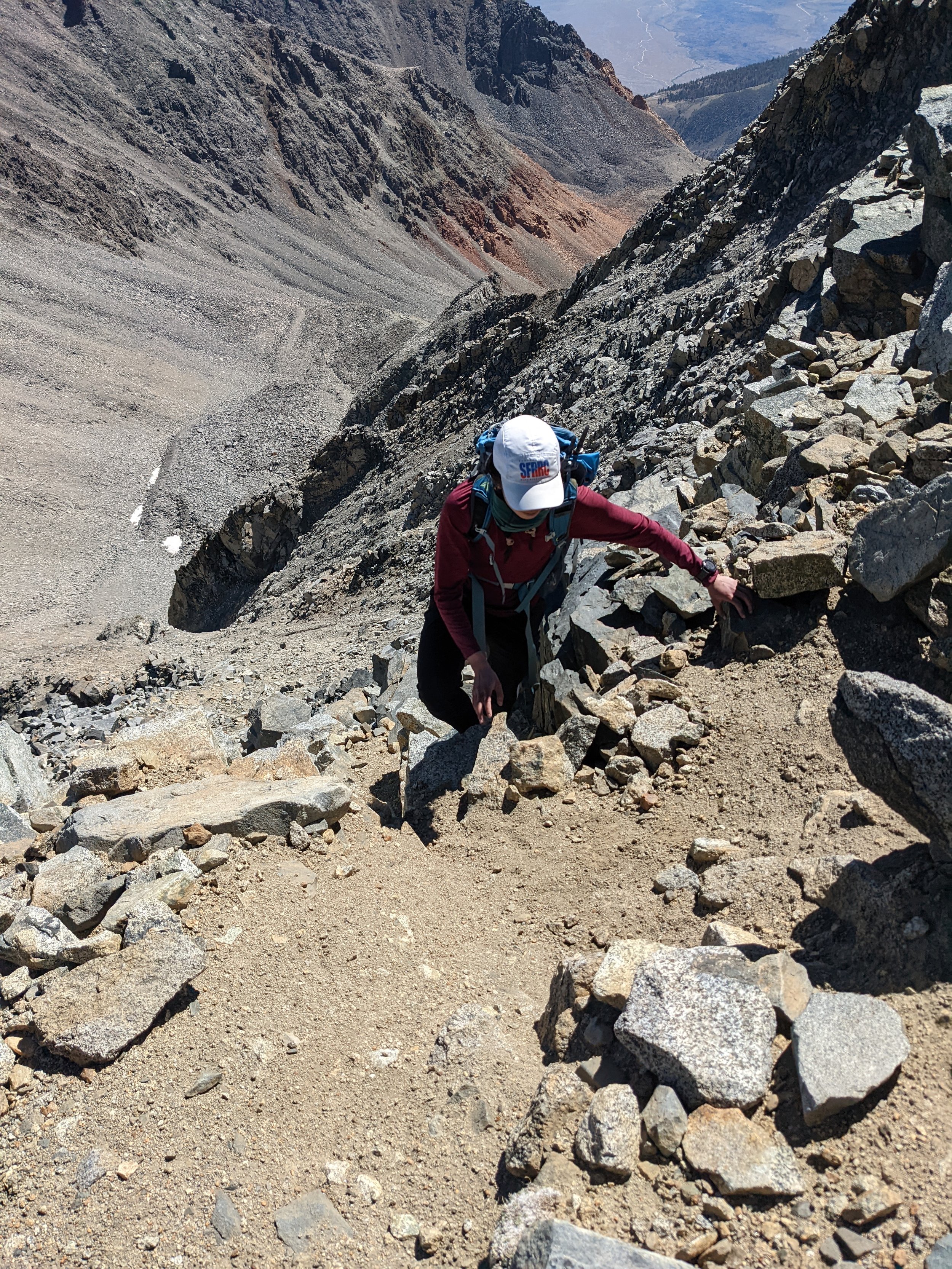
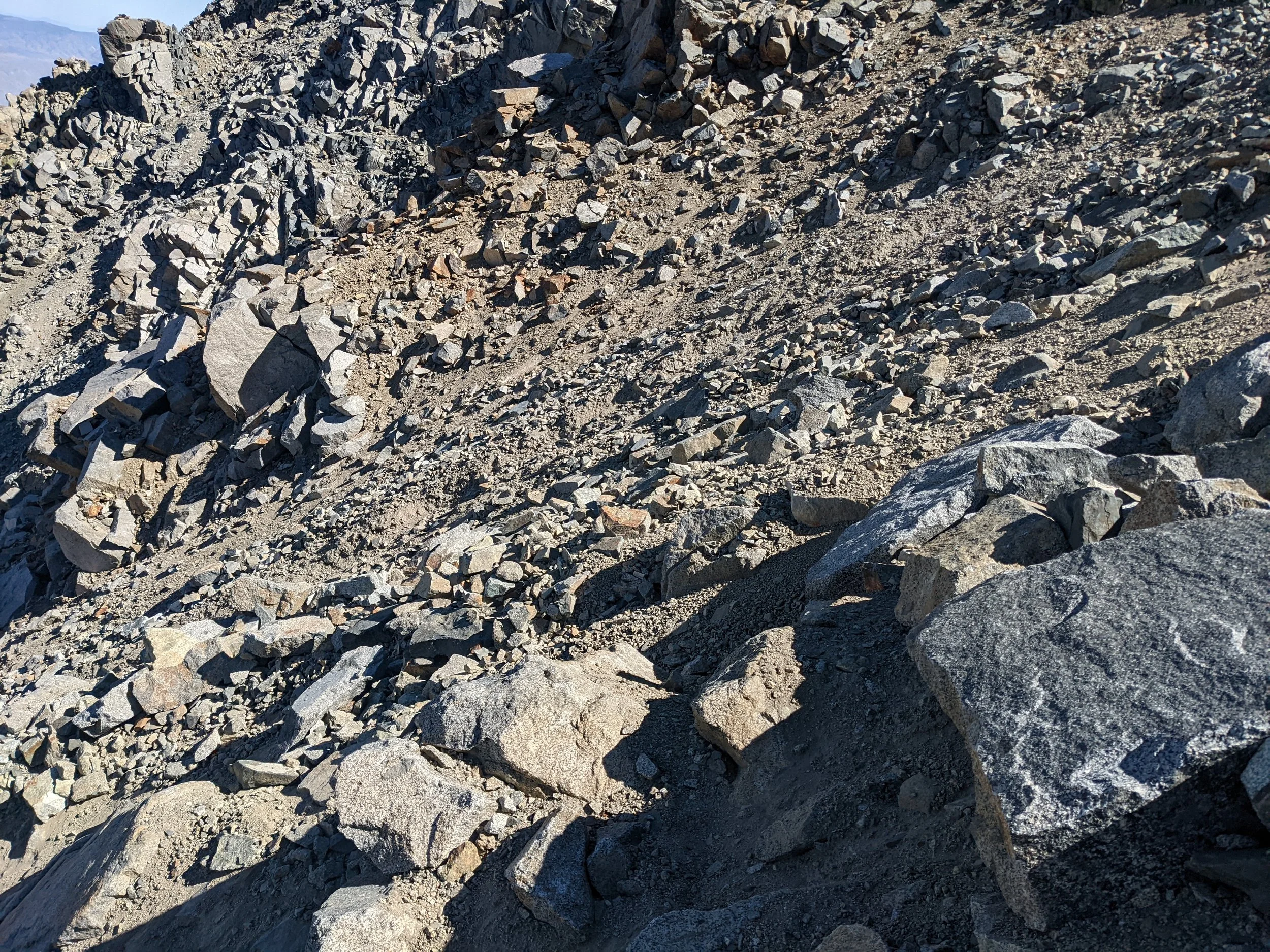
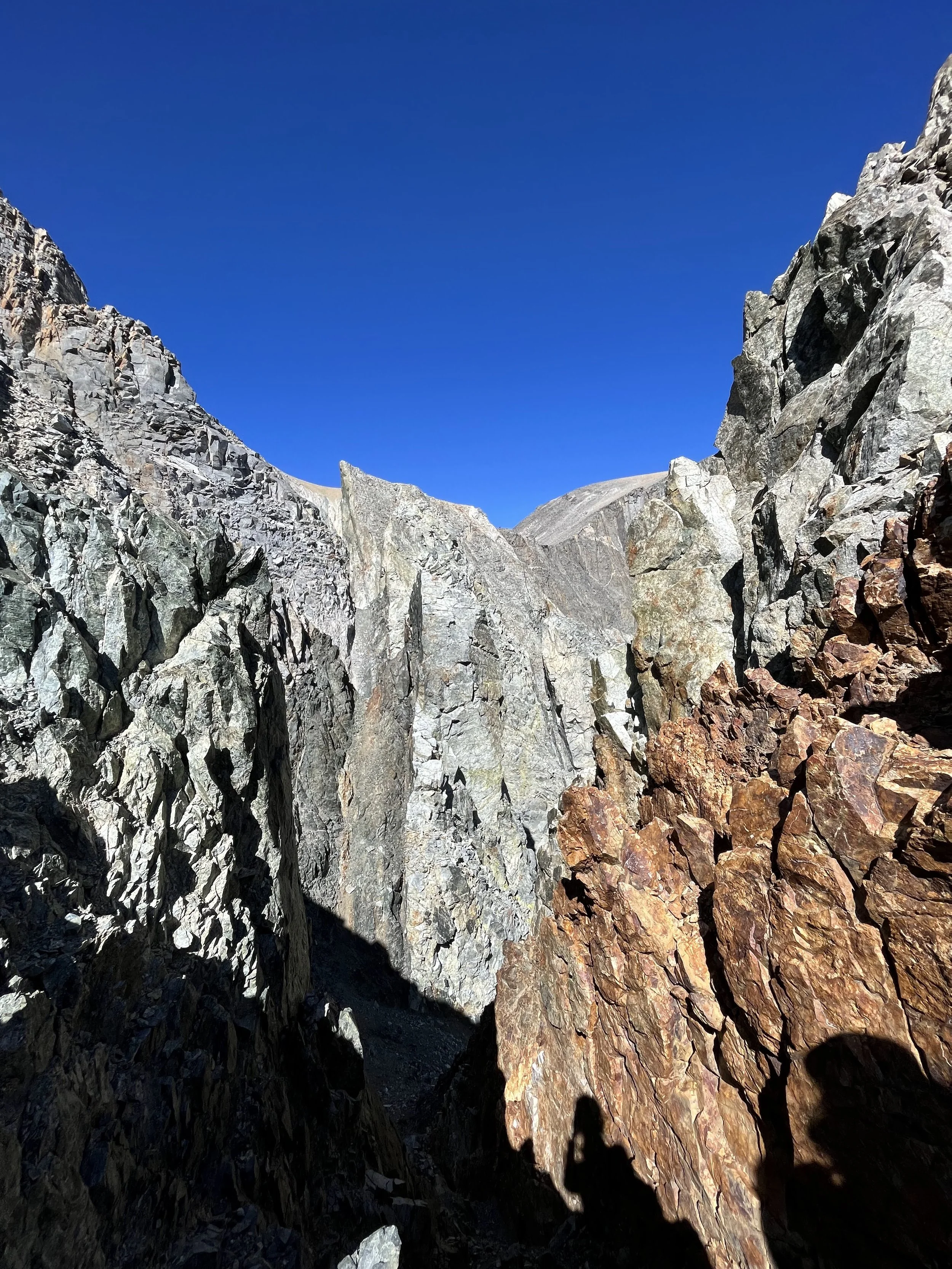
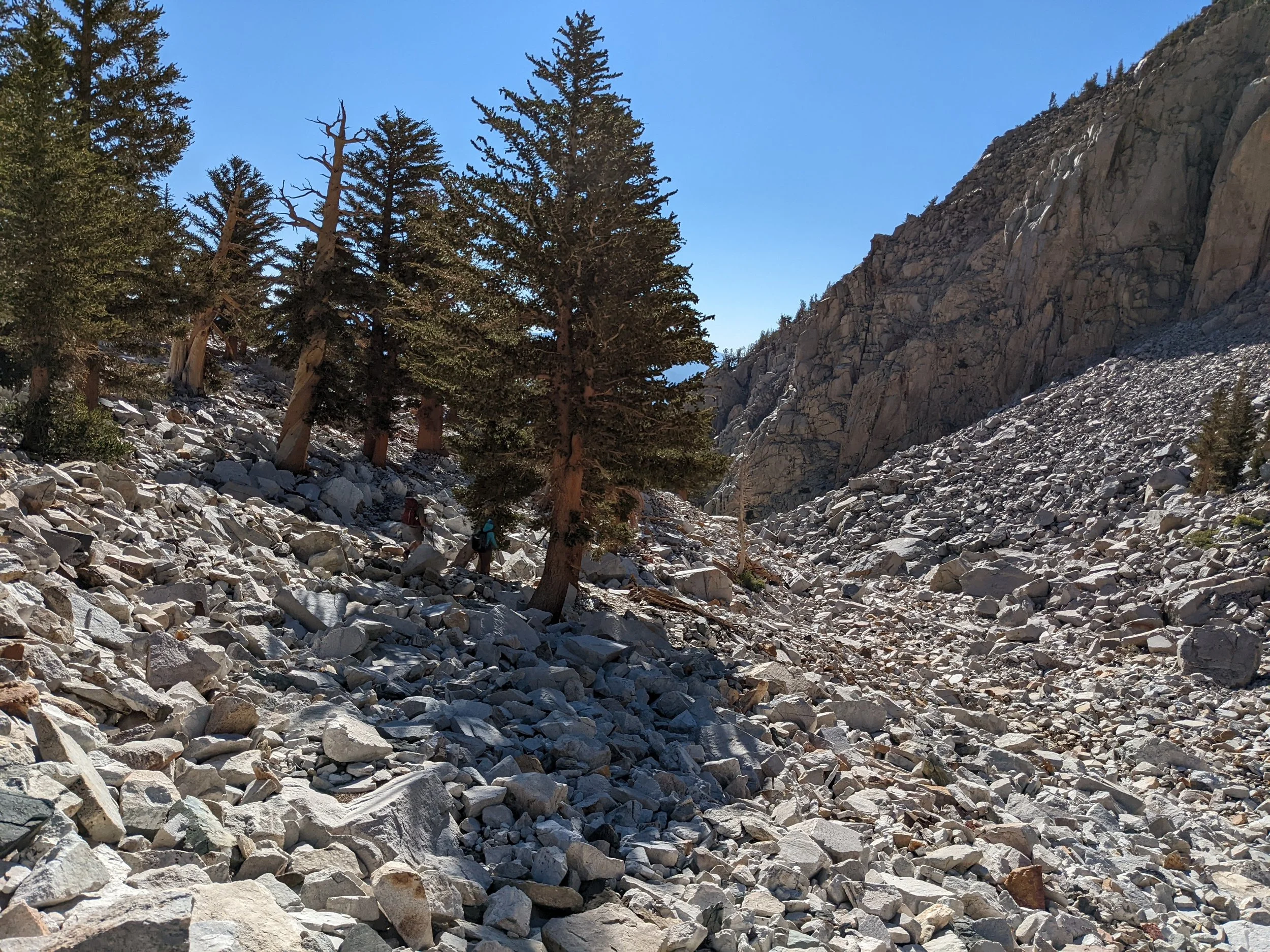
The route was surprisingly direct—lots of boulder hopping, a small snow crossing, and then some scree and easy Class 3 climbing near the saddle. My advice: once you see the saddle, stay on the right side where there’s less scree.
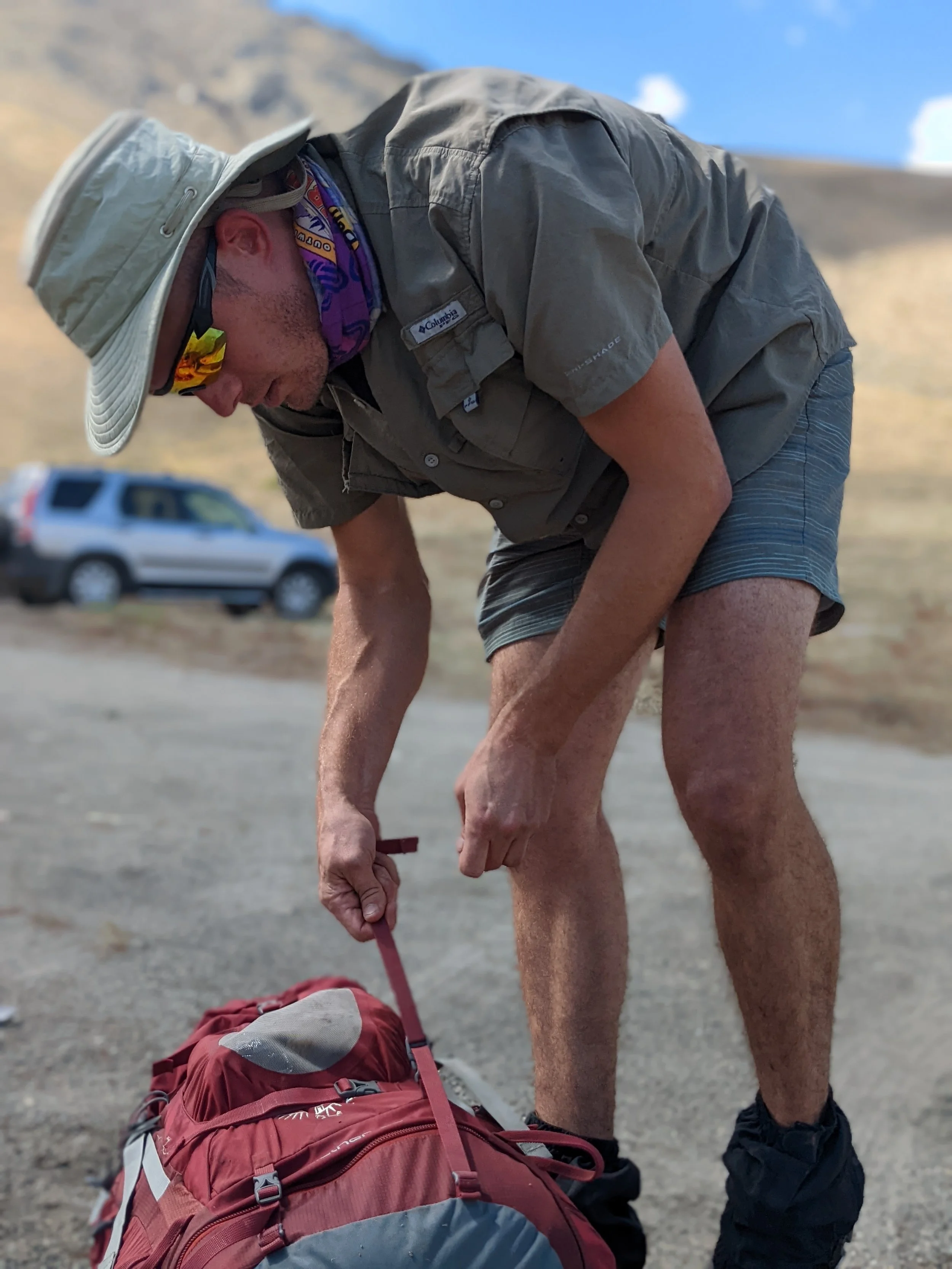
Trail gaiters are a lifesaver here—my shoes would’ve been filled with gravel without them.
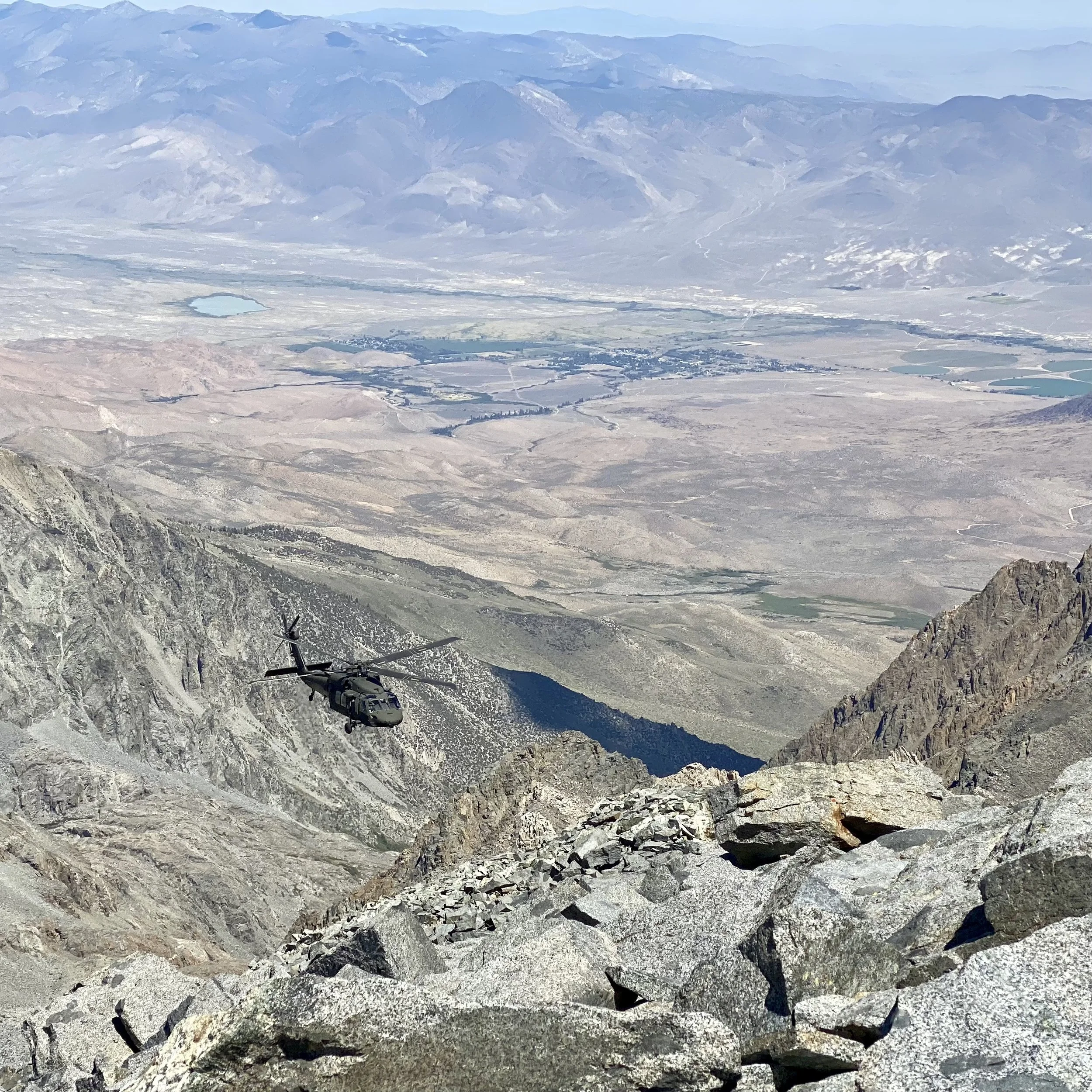
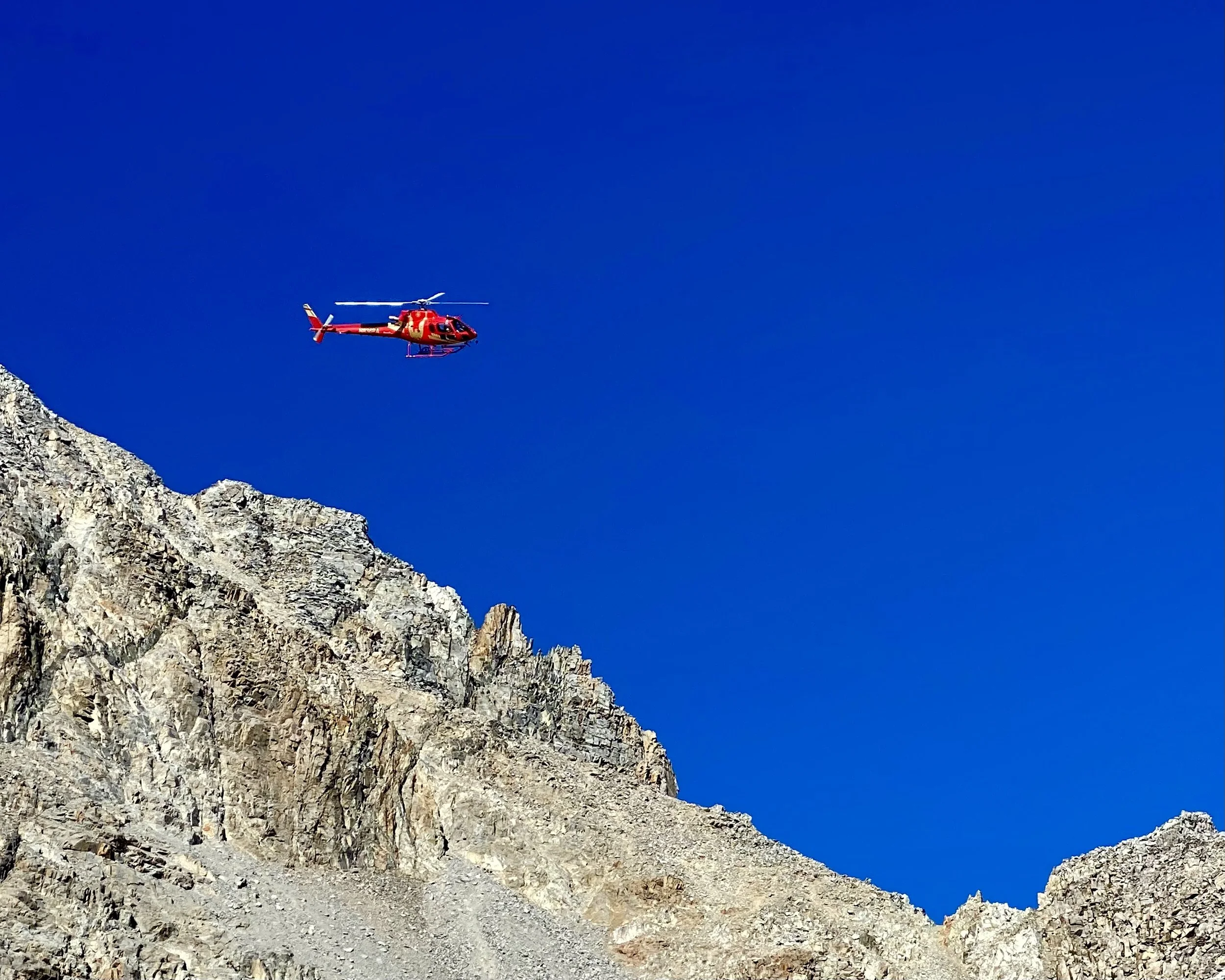
Along the way, we passed several SAR members searching for the missing hiker. One even came by our camp later with a box of pizza, which felt surreal in such a remote place.
Sunday – The Hike Out
Route: Camp → Trailhead
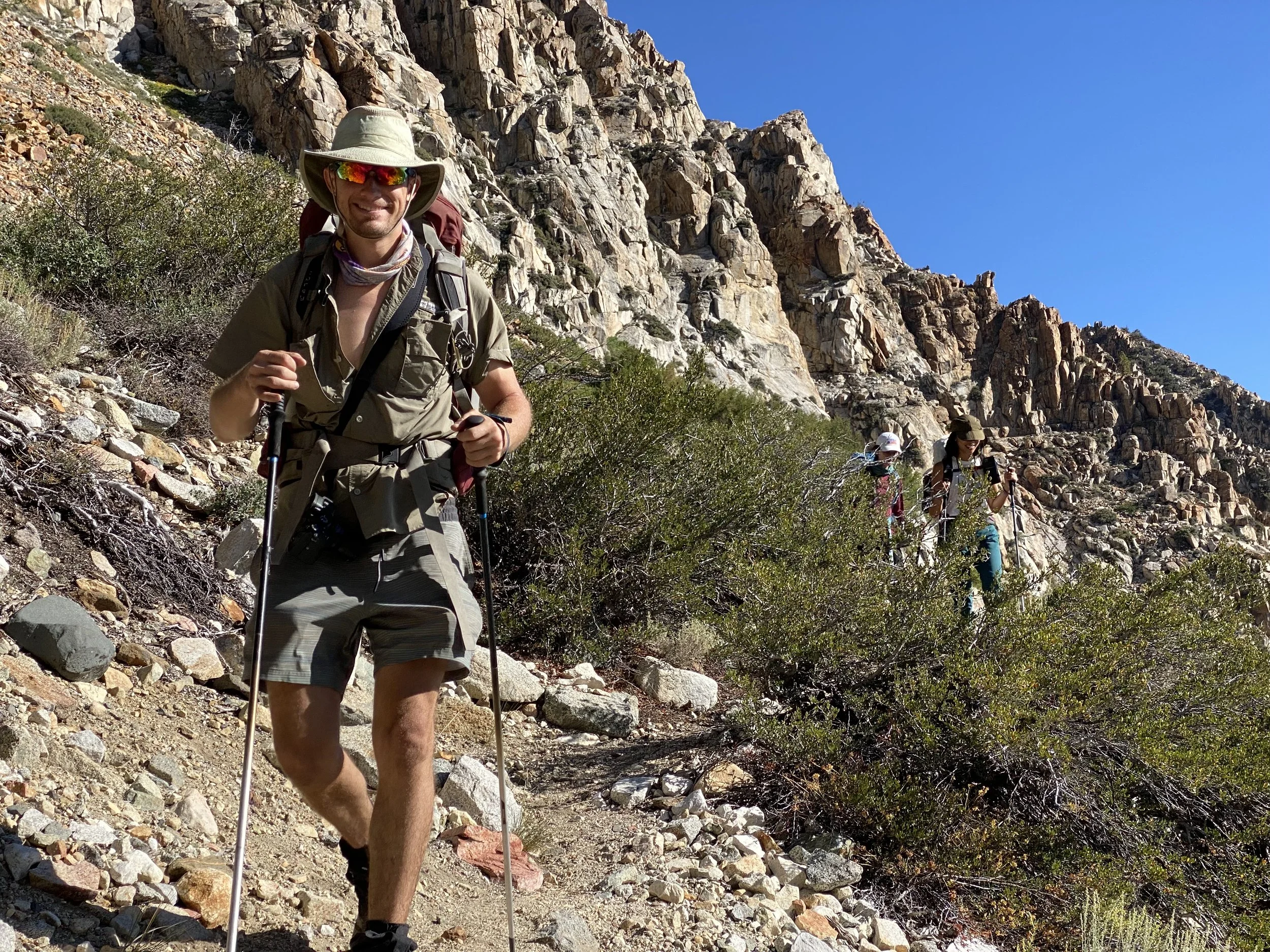
Stats: 4 miles | 4,000 ft descent | 3 hrs
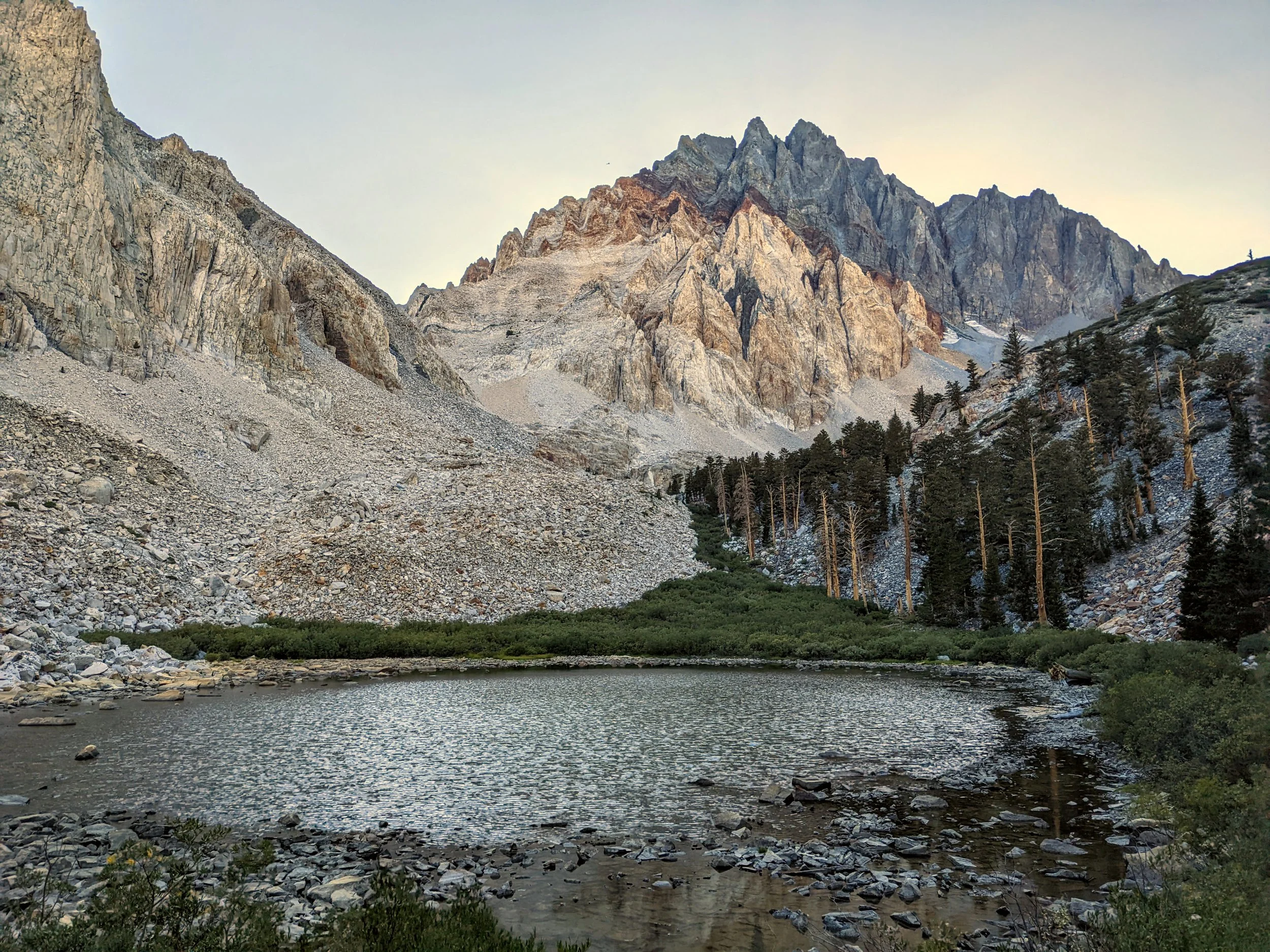
We made good time on the way down, though it was noticeably cold around the lake, which made camp less comfortable than other backpacking trips I’ve done.
Reflections
This was my ninth California 14er, but I’ll admit: Split Mountain’s “fun factor” ranks medium-low for me. I prefer technical Class 3–4 climbs, while this one leaned heavily into Class 2 terrain.
The emotional weight of knowing there was a missing hiker nearby also stayed with me throughout the weekend. It was a stark reminder of how quickly things can go wrong in the mountains—and why safety should always come first.
Mountain Safety: Lessons Learned
Based on my experiences (and with the big caveat that this is not an exhaustive list), here are a few safety practices I always try to follow:
Summit is optional. Returning safely is mandatory.
Hydrate before leaving camp/trailhead. Don’t start the day already thirsty.
Carry at least 3L of water if unsure about sources along the way. More on hot days.
Navigation is everyone’s responsibility. Never rely solely on your partner’s map.
Pack smart layers. A hat, windbreaker, and insulation weigh little but matter at altitude.
Bring fuel. Enough food for the day, plus electrolytes.
Headlamp + emergency blanket. Trips can run longer than expected.
Monitor weather. Clouds, wind, and storms change fast in the Sierra.
Have a Plan A and Plan B. If splitting from your group, repeat plans out loud to confirm.
Stay aware. Of your surroundings, your teammates, and your own fatigue.
Your Turn
Have you climbed Split Mountain? How did you find the route? And what’s on your personal safety checklist for high-elevation trips?