Sykes Hot Springs
Earn Your Soak: What It Takes to Reach Sykes Hot Springs
Sykes Hot Springs in Big Sur is easily one of the most iconic natural backcountry soaks on the West Coast, but it’s definitely not a quick stroll in the woods. Nestled deep within the Ventana Wilderness near Big Sur, California, reaching the natural stone-lined pools requires serious trail time.
Distance: ~19.5 miles round-trip
Elevation Gain: Over 4,500 ft of cumulative climbing via the Pine Ridge Trail
Route Style: Out-and-back backpacking trip
Water & Soak Temp: ~100°F (38°C) right alongside the Big Sur River
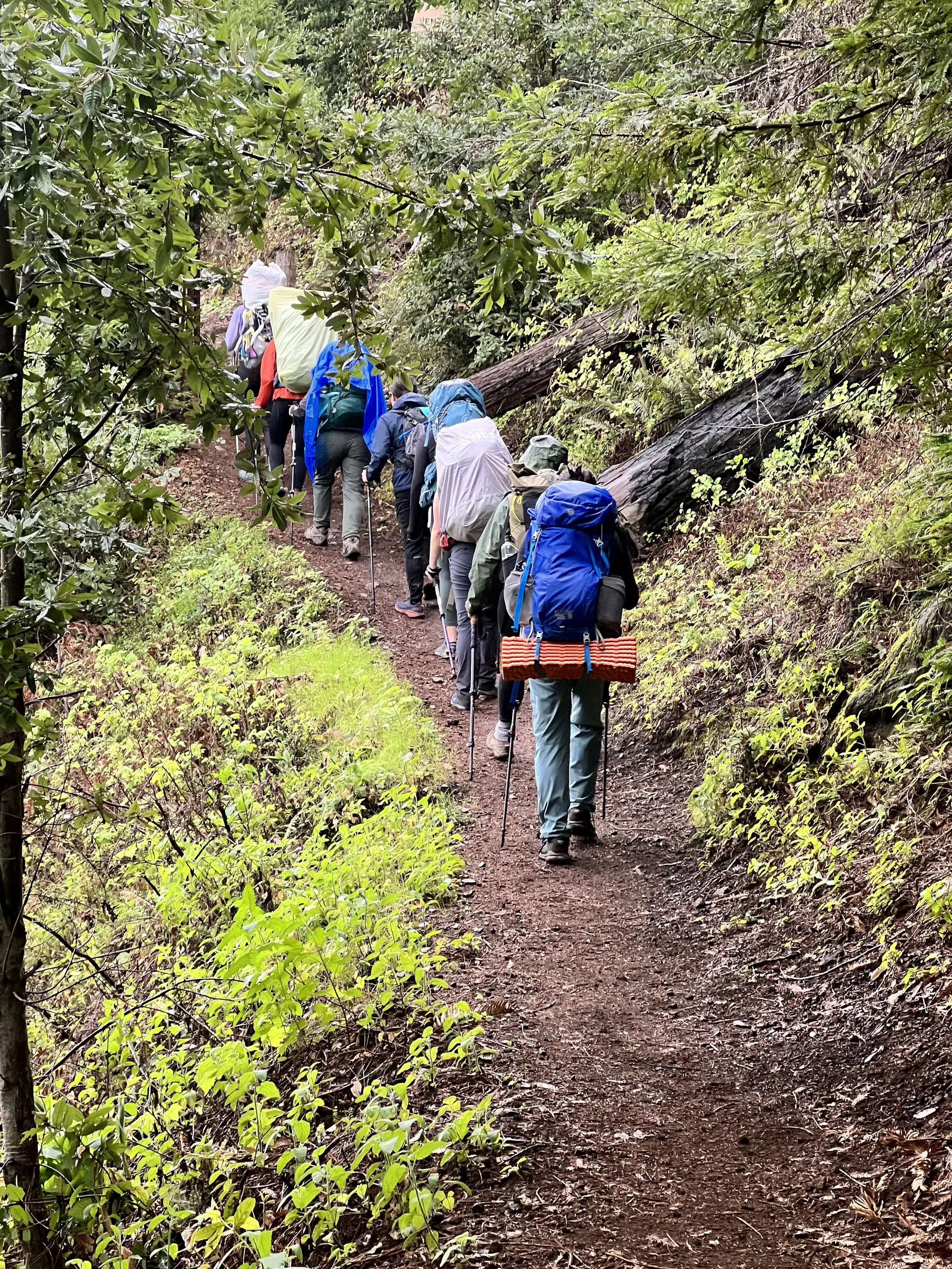
Rain in the forecast? Not a dealbreaker. 🌧️🎒
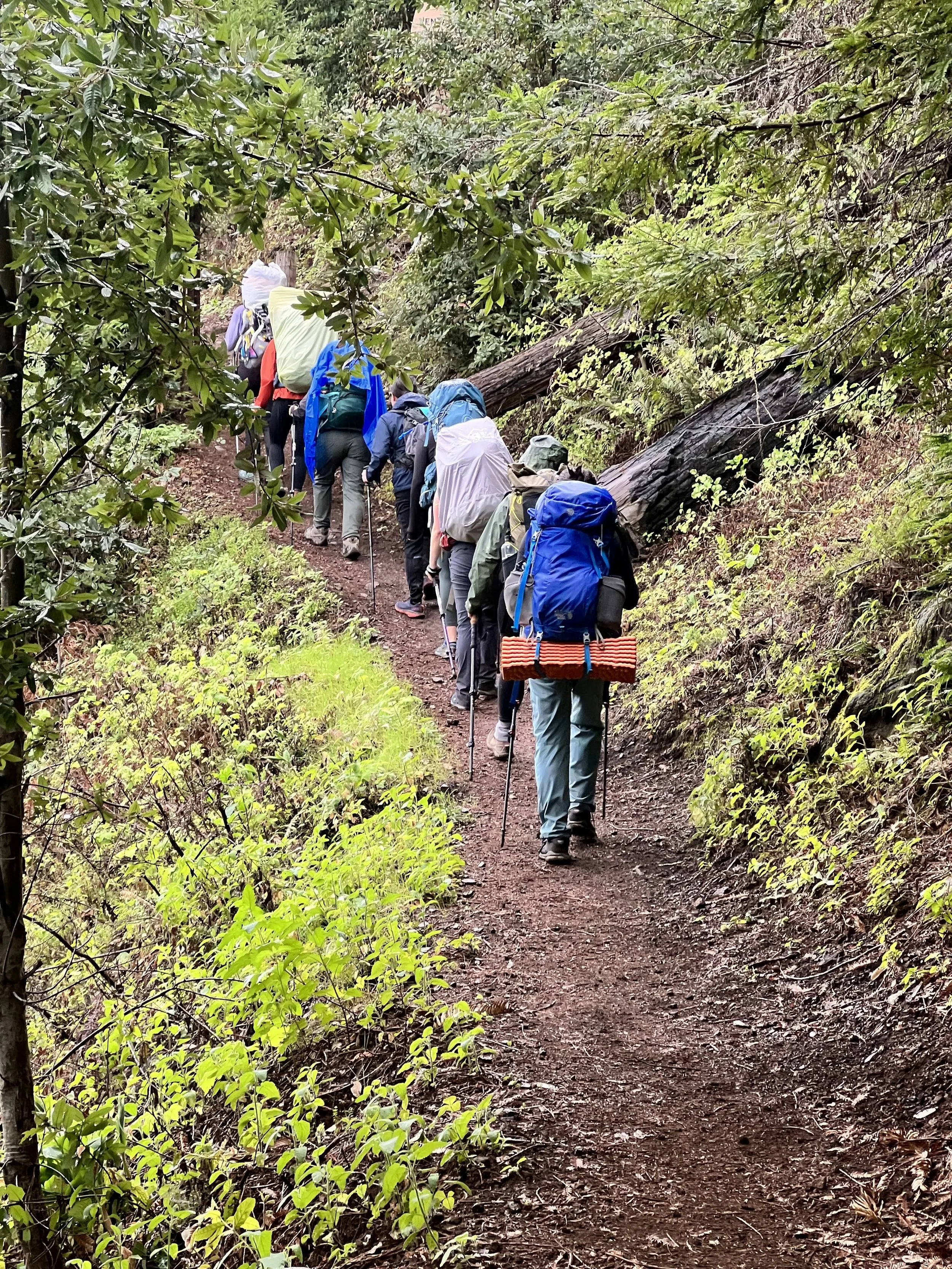
A wet trail only ruins a backpacking trip if you aren't prepared for it. A solid rain cover for the pack, internal dry sacks for the sleeping bag and dry layer, and the right shell turn a wet forecast into just another element of the adventure.
There’s something peaceful about the woods when the rain hits—as long as your gear stays bone-dry inside your pack!
Key Trail Considerations:
The Elevation Profile is Deceptive: You aren't just climbing up to a peak and coming back down. The Pine Ridge Trail rolls continuously through steep canyons, coastal redwoods, and exposed oak ridgelines. You’ll be climbing on the way out, too.
Permits & Fire Rules: Wilderness permits are required for overnight stays, and campfires are strictly restricted depending on seasonal conditions in the Ventana Wilderness. Always check the USFS guidelines before head-out.
Leave No Trace (LNT): Because Sykes was closed for several years following severe storm damage and erosion from heavy use, keeping this trail open relies on pack-it-in, pack-it-out discipline.
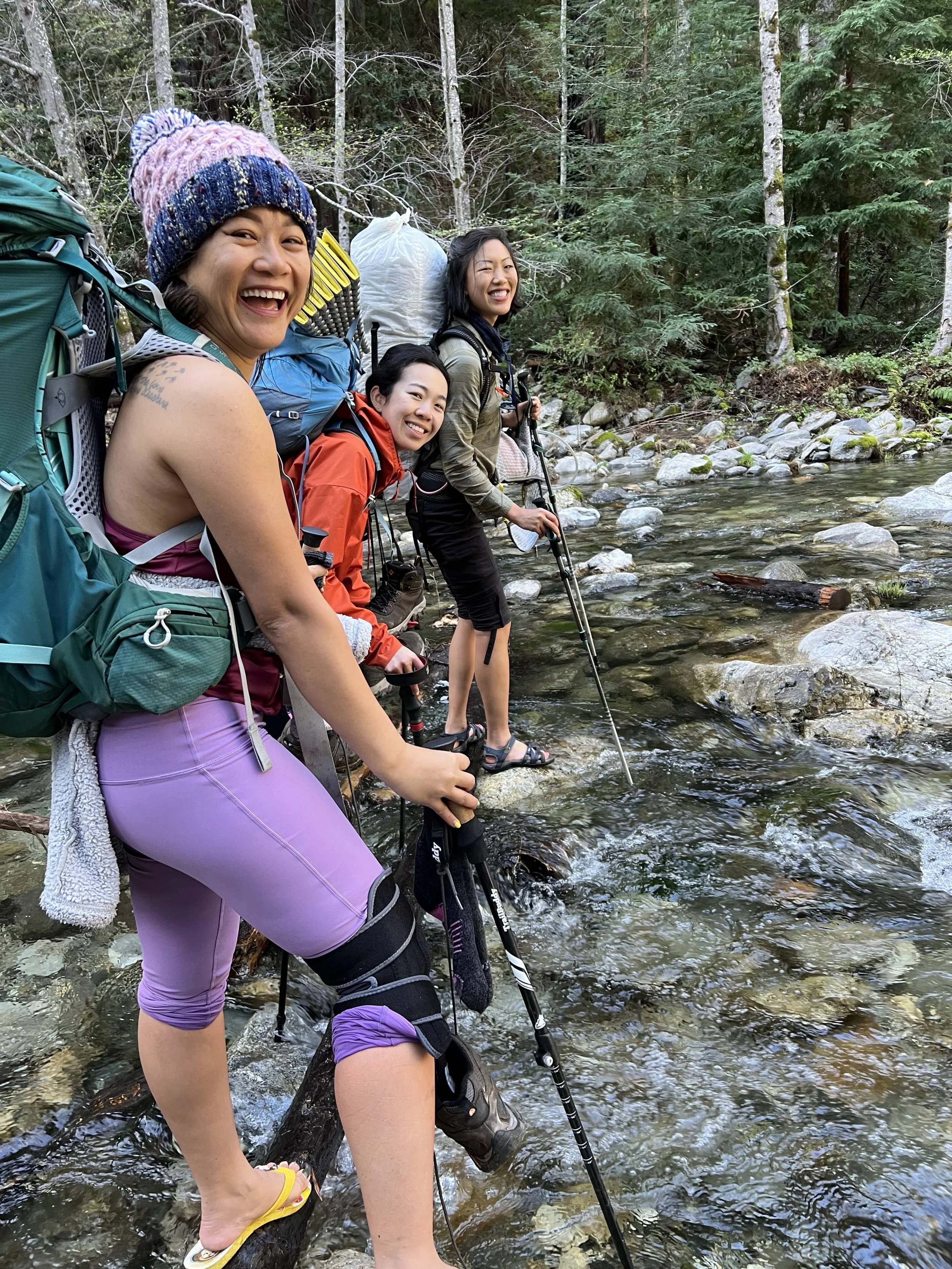
Bring your trekking poles!
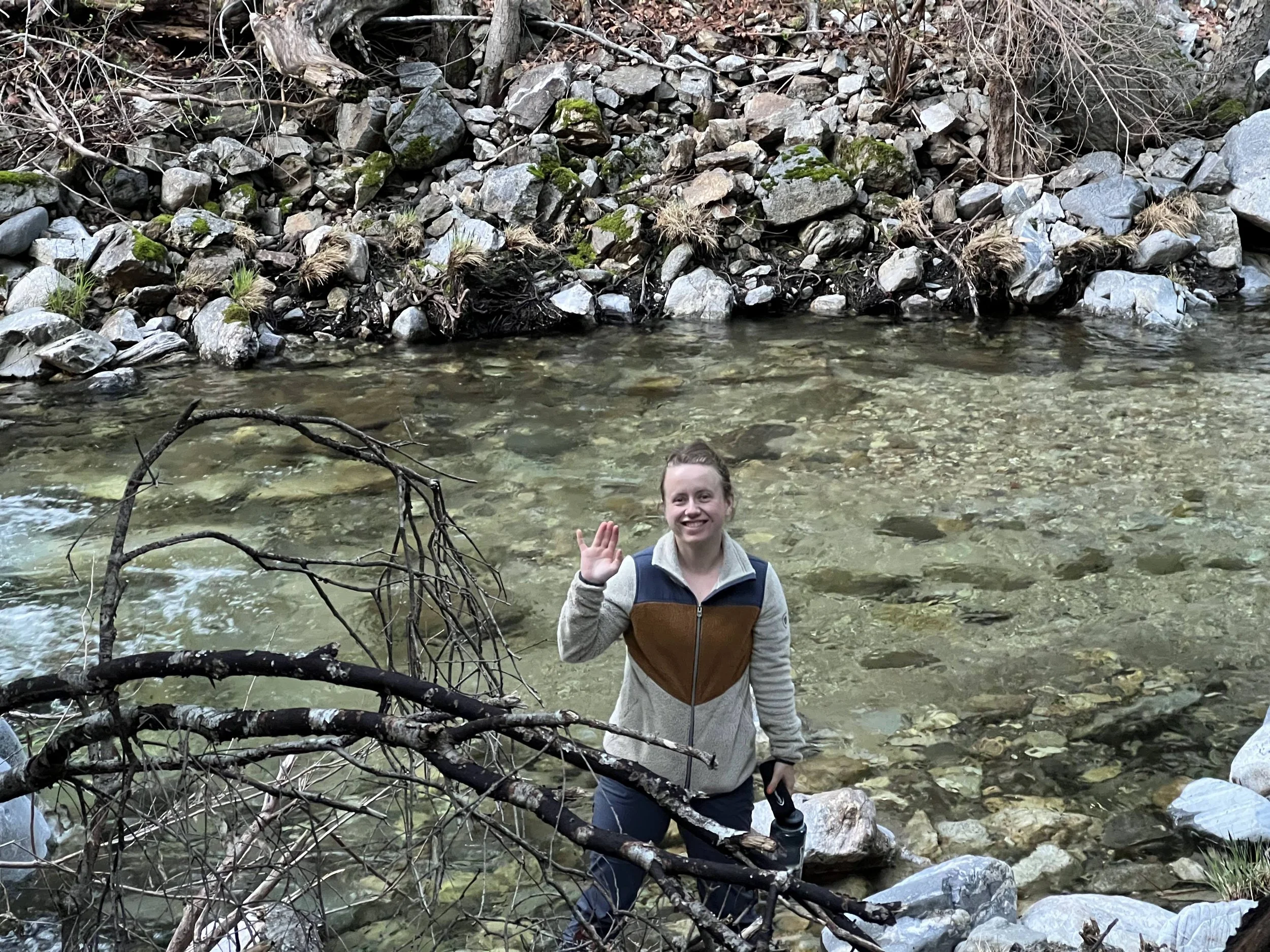
So many river crossings. Poles will help you stay balanced.
Trailhead: Big Sur Trailhead. Medium size. Paid.
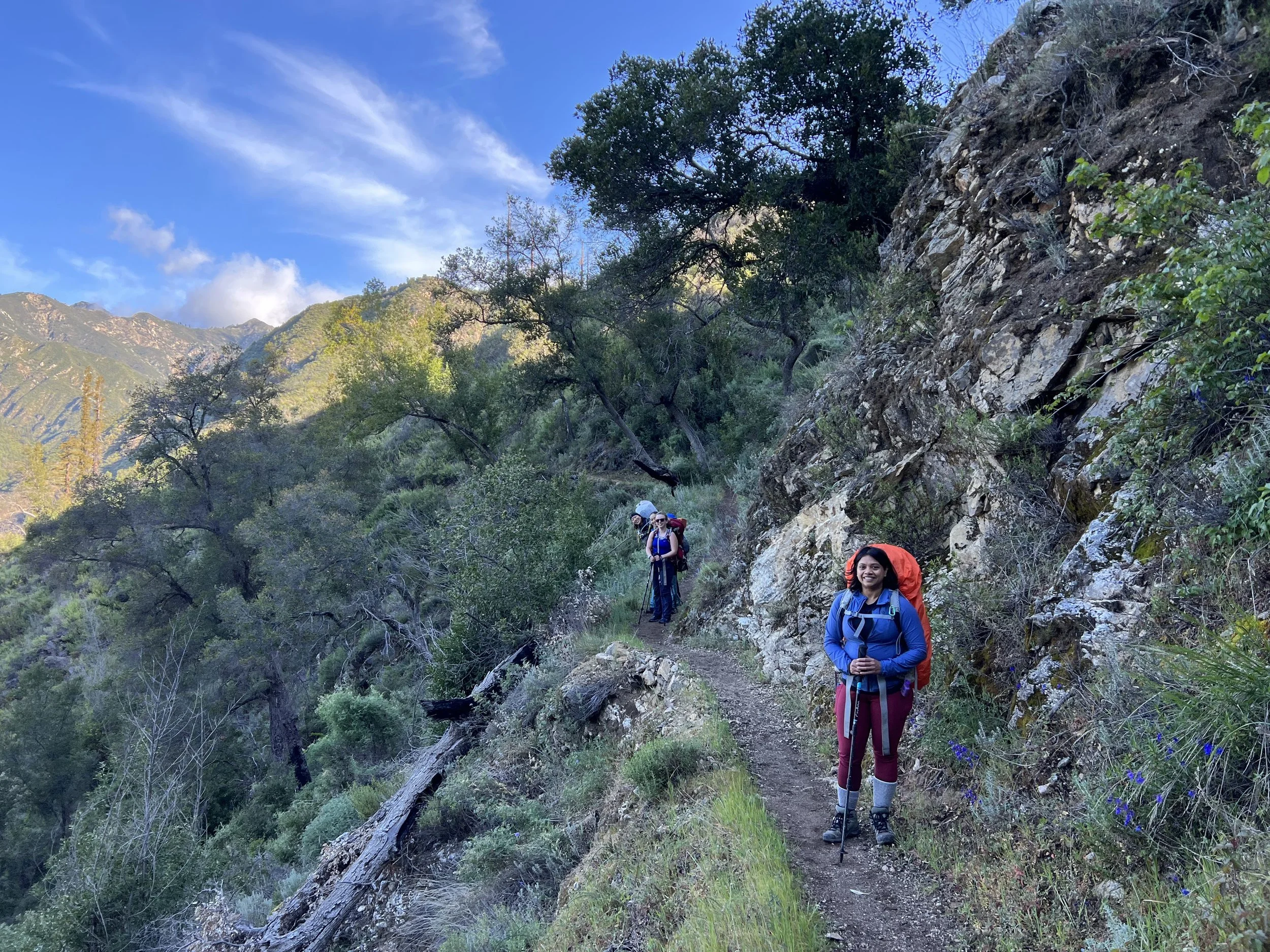
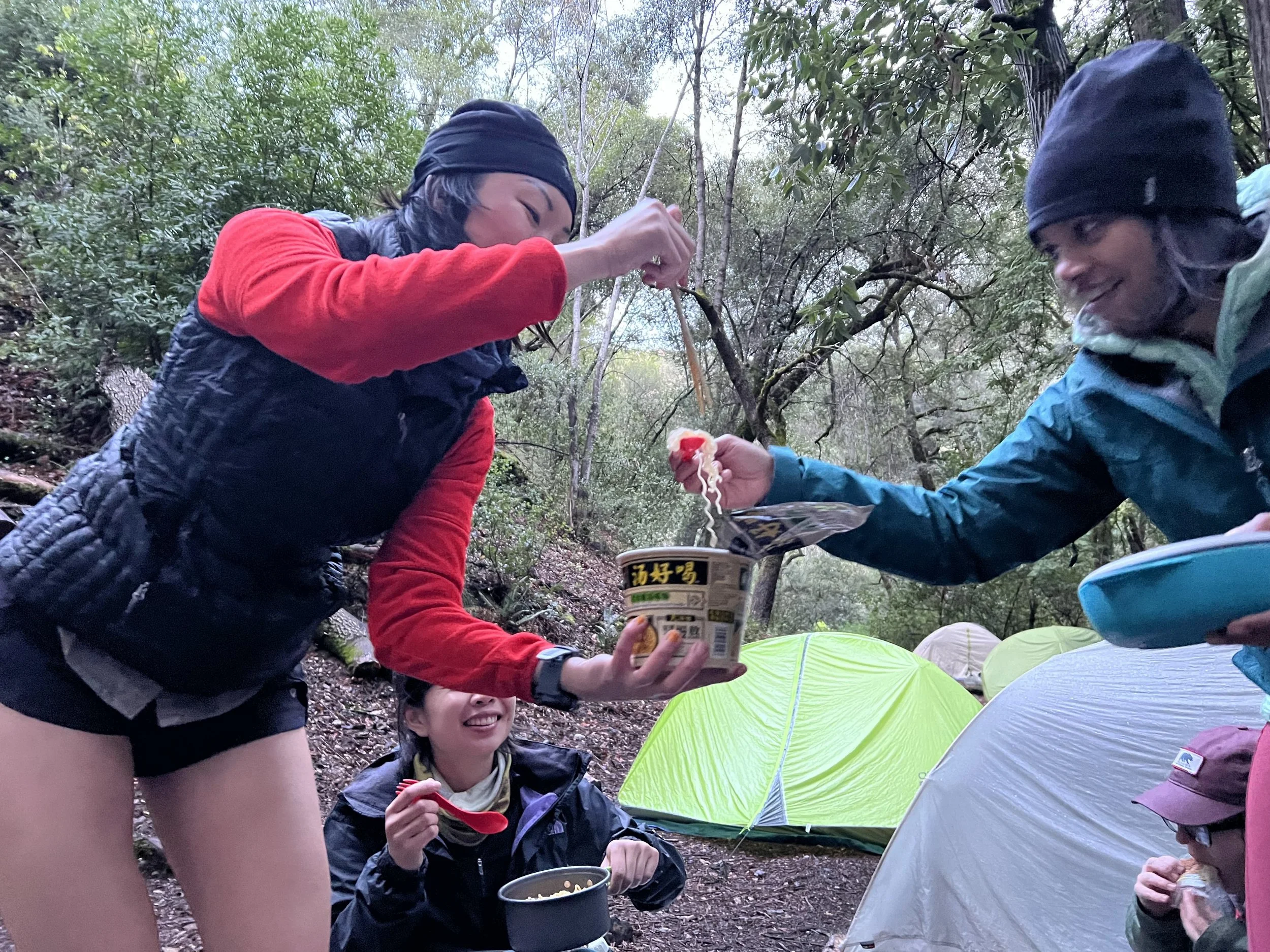
Leading 9 women into the wilderness—some hitting the backcountry for the very first time—was an absolute highlight. Group trips can easily turn chaotic, but a few simple pre-trip steps made all the difference:
Gear Check-ins: We did pre-trip reviews to ensure every base layer, rain cover, and shelter was dialled in.
Pack Audits: Helping first-timers cut unnecessary weight before hitting the trail saved a lot of sore shoulders.
Weather Prep: Rain was on the radar, but with packs properly lined and covered, the weather didn't stop us for a second.
Map: Everyone was asked to be prepared with offline maps and had provided their emergency contacts in advance. In case of any unexpected situations!
Seeing everyone crush the miles and experience the magic of a group soak/camp night made every bit of planning worth it. Women Empowerment is girls supporting one and another.
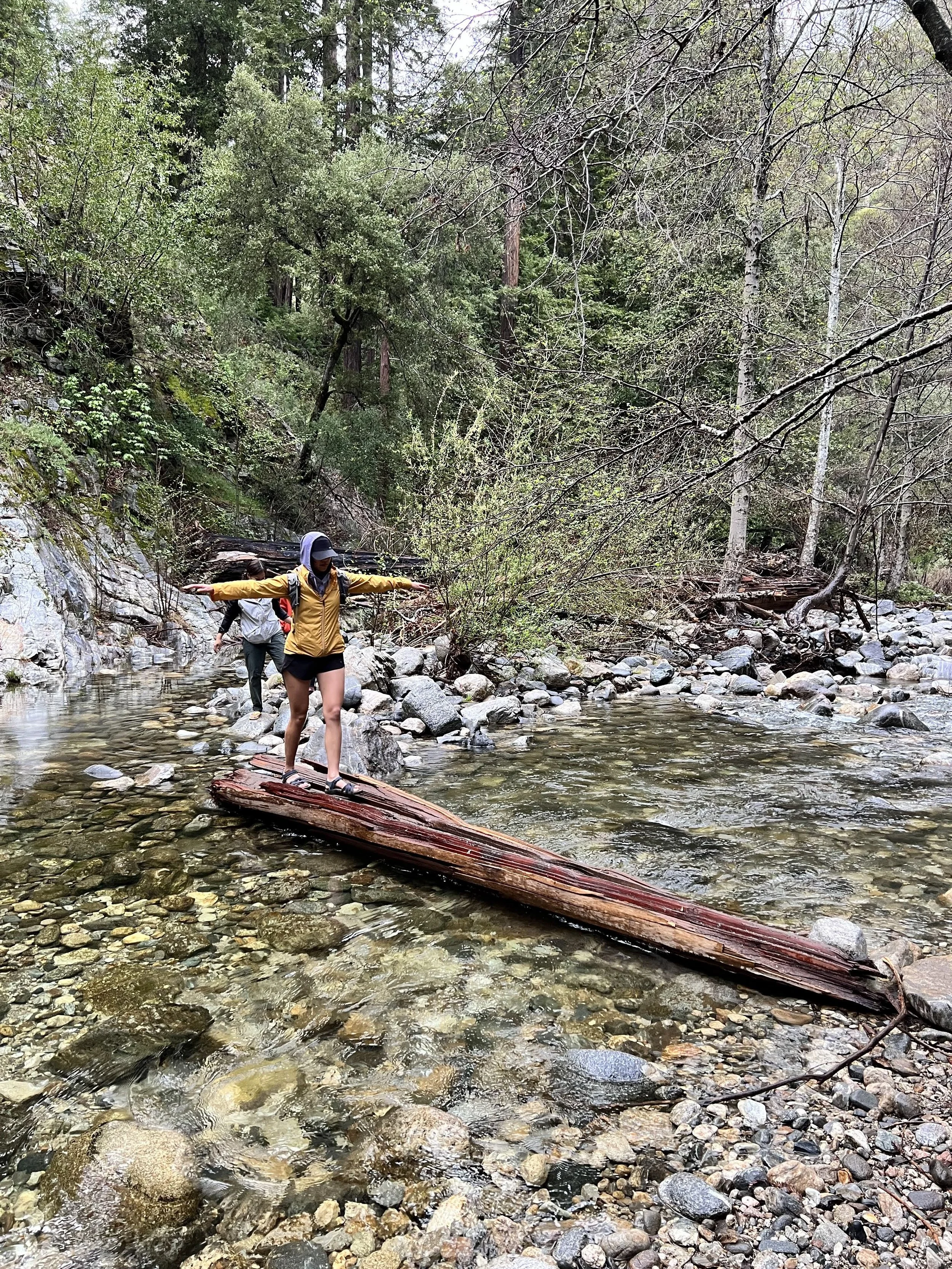
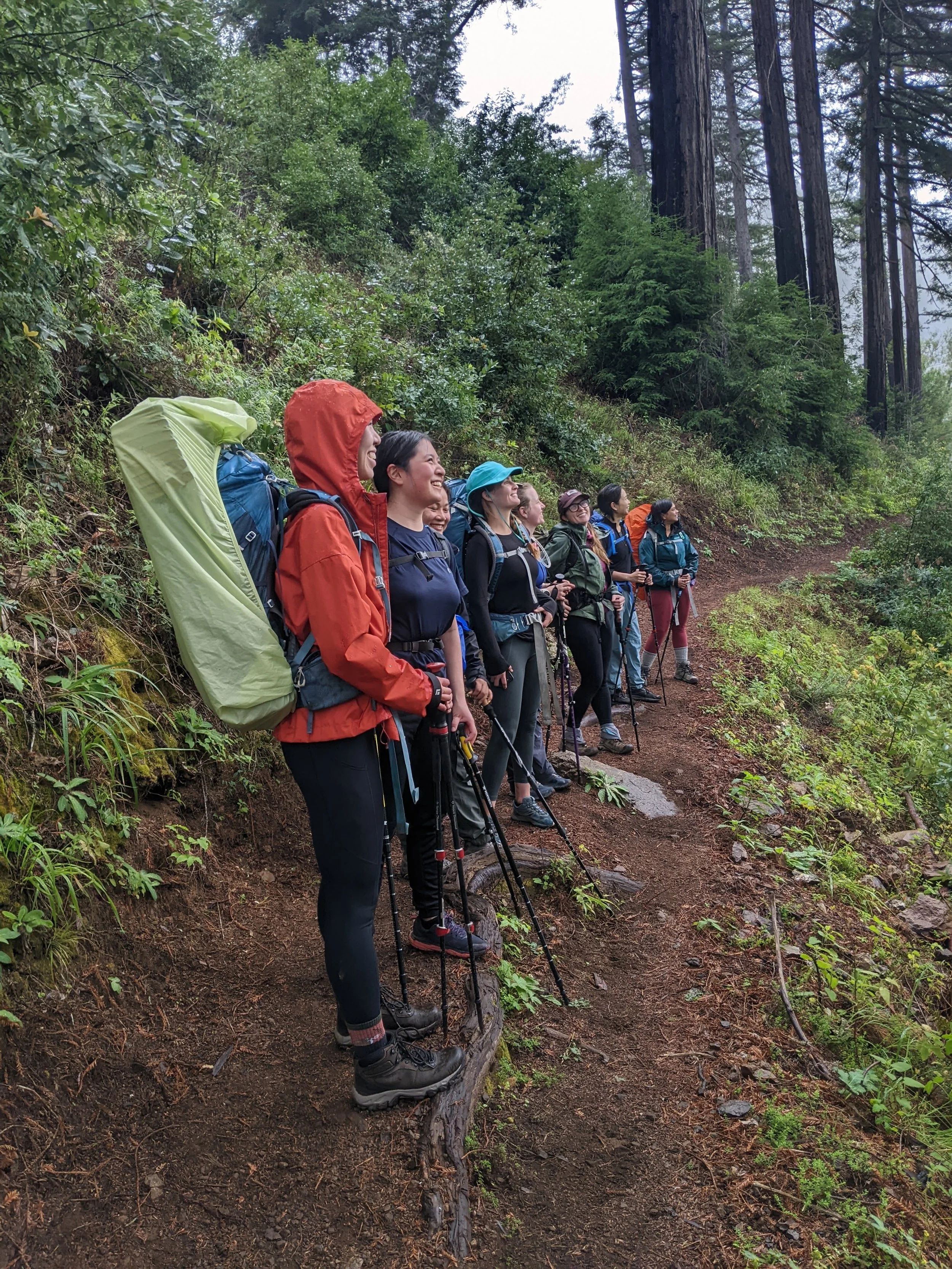
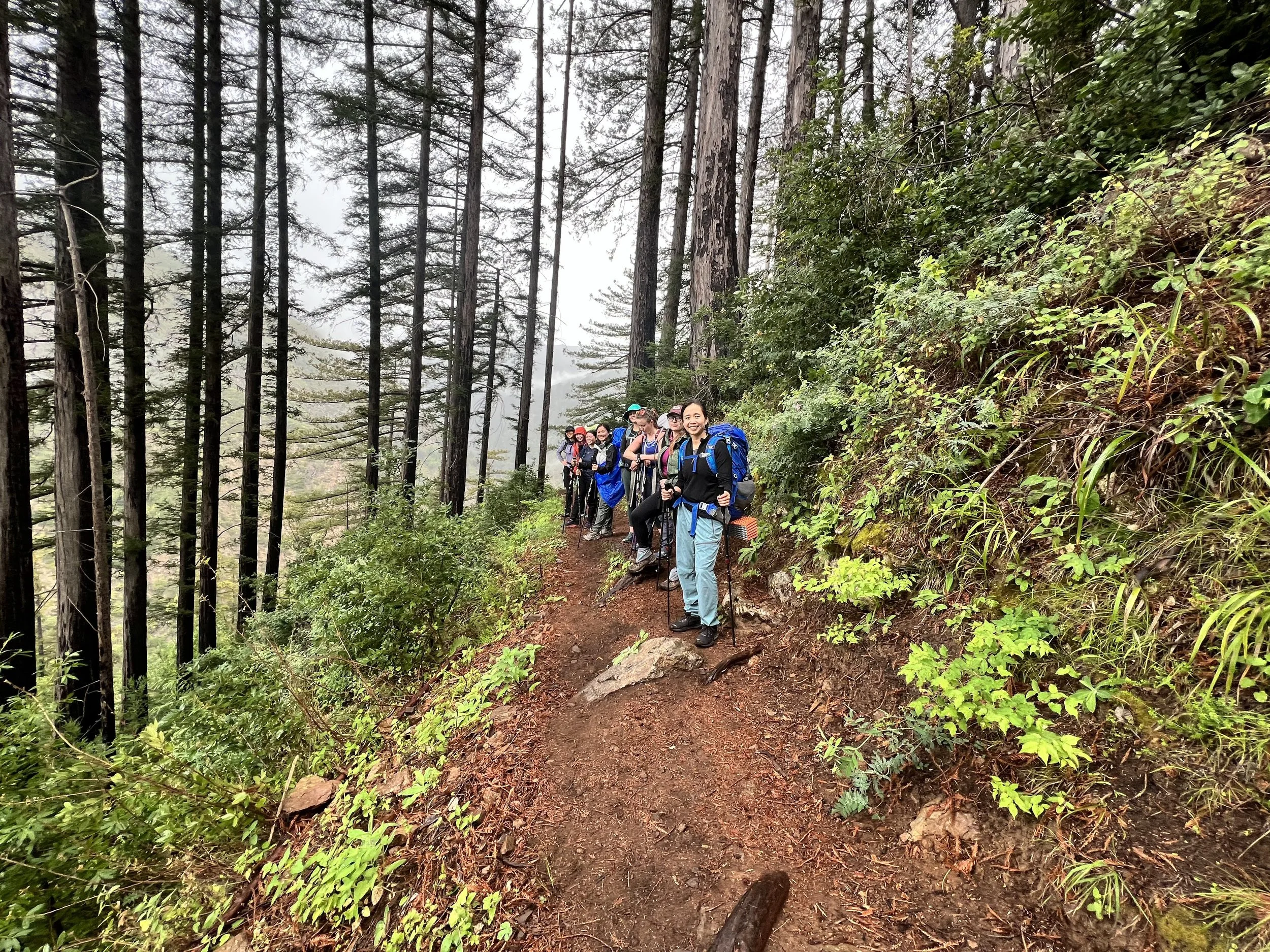
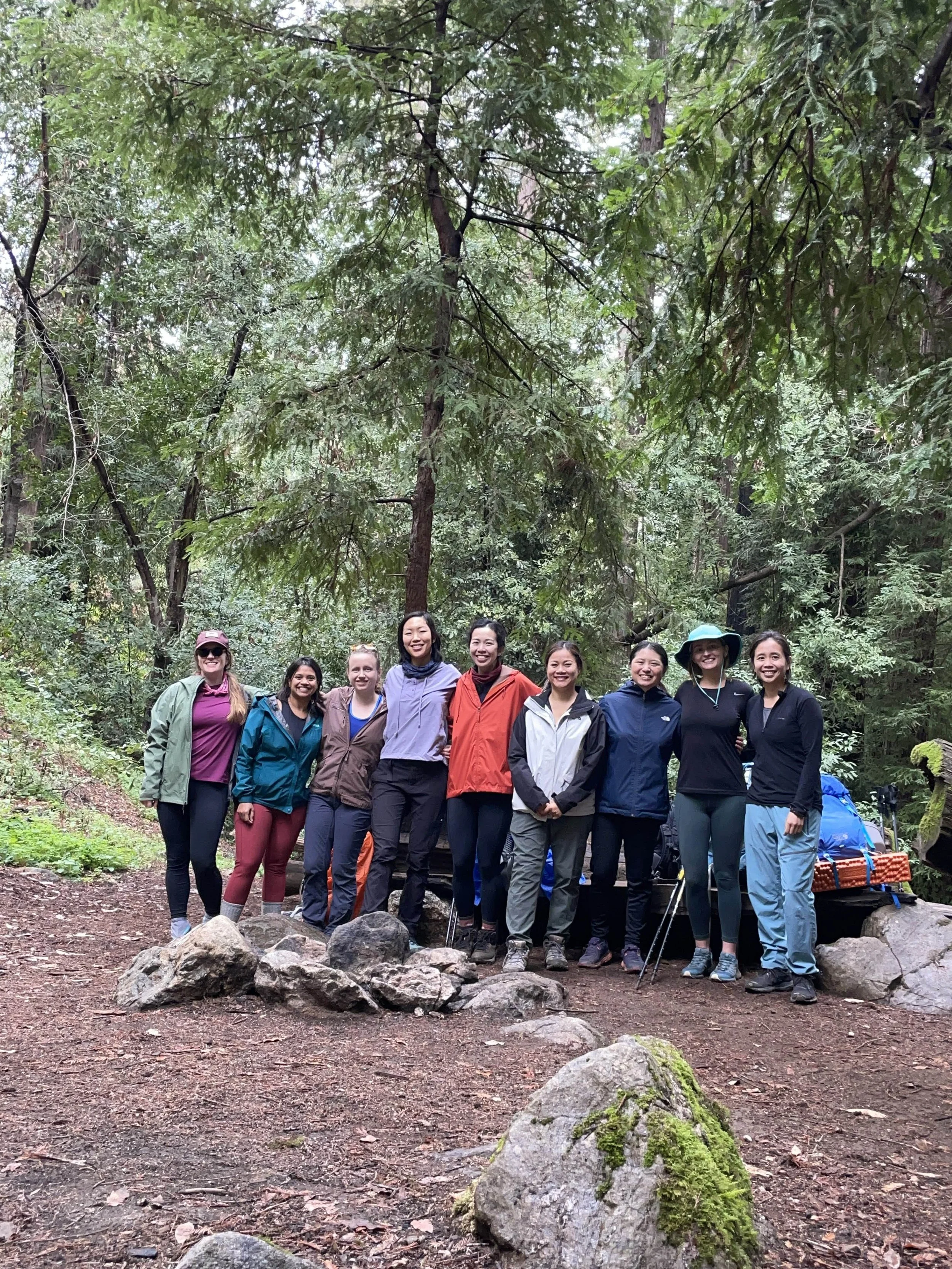
So…was the hot springs worth it?
Whether Sykes is "worth it" usually comes down to managing expectations before you go:
The Setting: Soaking in lukewarm, mineral-rich water surrounded by redwoods and river sounds.
The Backcountry Vibe: Because you have to earn it with nearly 20 miles of hiking round-trip, reaching the pools feels like a genuine accomplishment—especially for a group or first-timers.
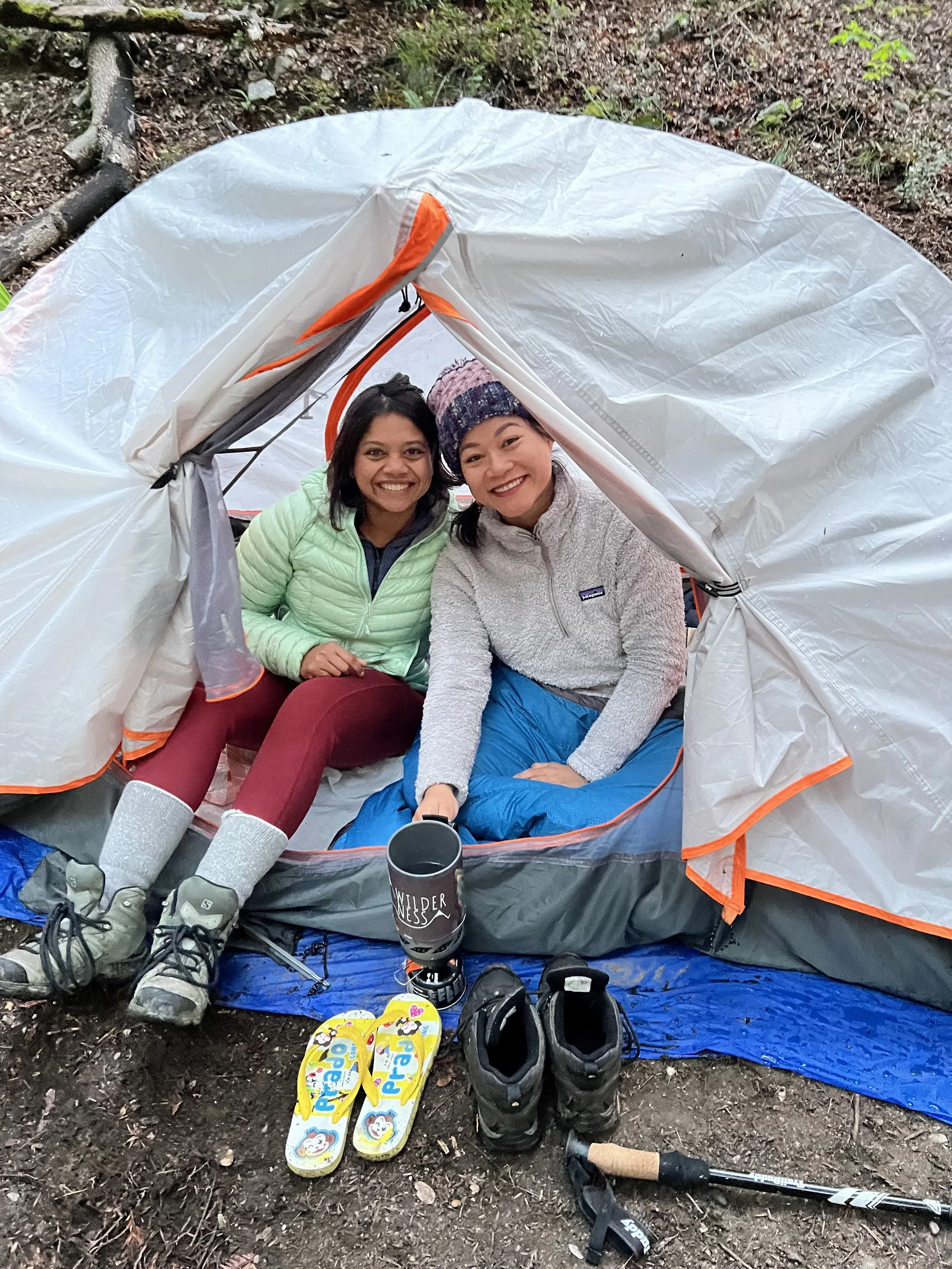
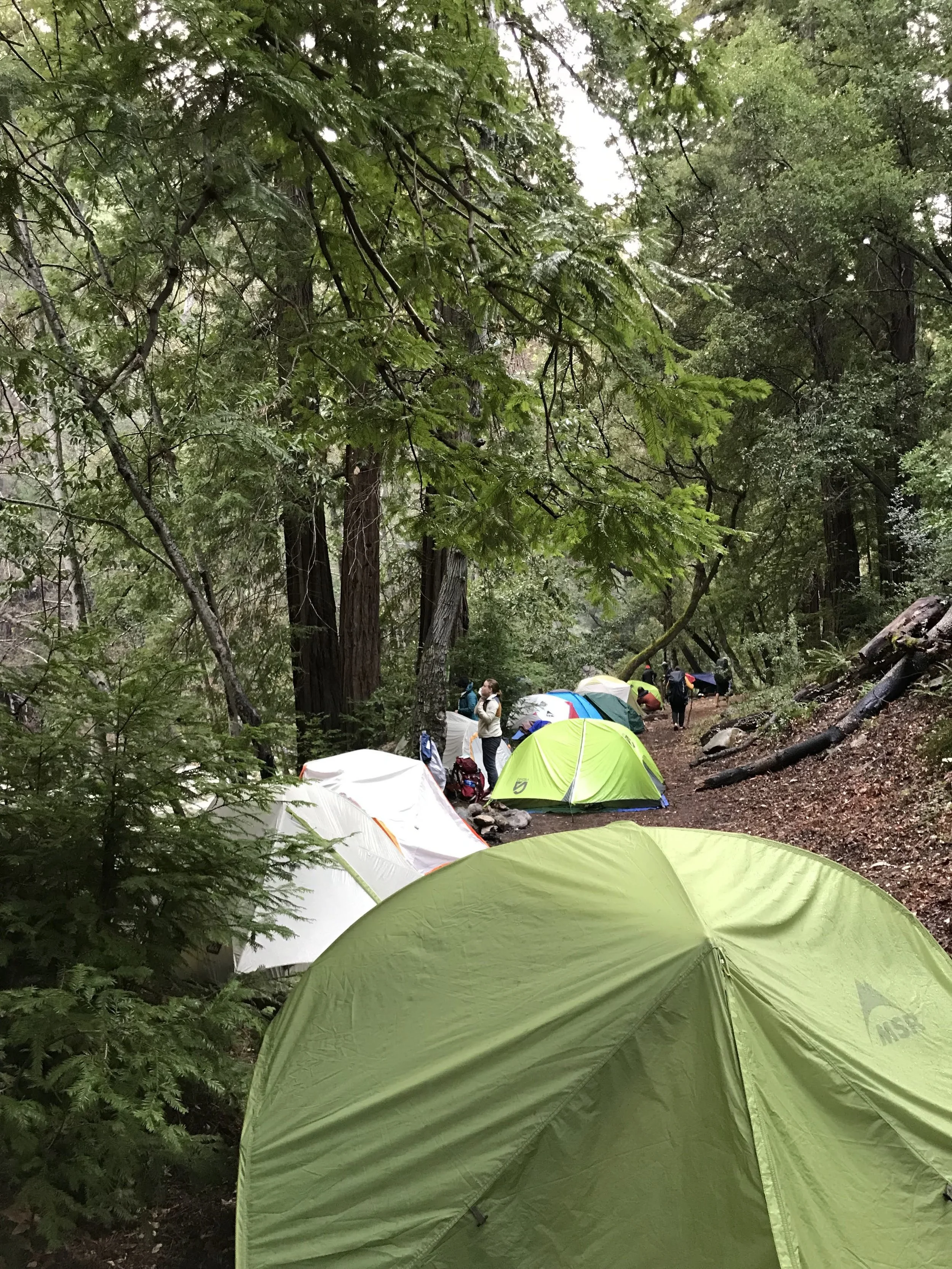
The Campsites: The surrounding forest sites at Sykes Camp make for an iconic wilderness night.
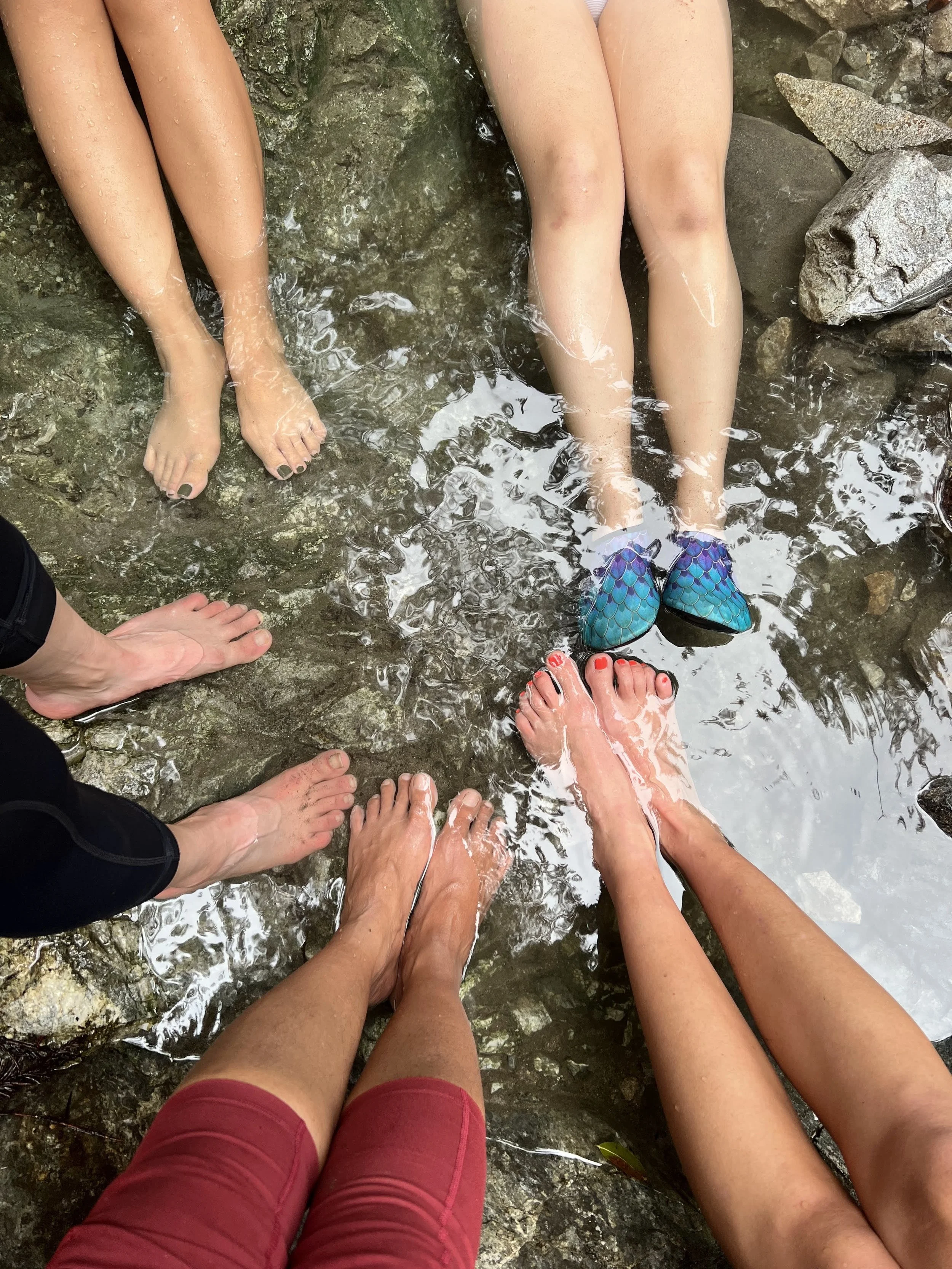
When is the best time to hike Sykes?
The best time to hike to Sykes Hot Springs is during spring (April to May) and fall (September to November).
Because Big Sur’s coastal terrain ranges from exposed, high-ridge climbs to deep river valleys, each season comes with clear trade-offs:
1. Spring (April – May) | Best Overall Conditions
Why it’s great: Temperatures are comfortable for the grueling 4,500+ feet of cumulative elevation gain, wildflowers bloom along the ridge, and the surrounding Ventana Wilderness is lush and green.
What to watch out for: High river flow. Spring snowmelt and late seasonal rains can make the river crossings near Sykes Camp thigh-deep or fast-moving. Always check with the Big Sur Station ranger desk on current river levels before heading out.
2. Fall (September – November) | Best for Clear Vistas & Comfortable Soaking
Why it’s great: The summer coastal fog clears out, daytime temperatures cool down, and river levels drop to safe, manageable crossing heights. Soaking in the ~100°F rock tubs feels incredible when the autumn air starts dipping into the 40s–50s at night.
What to watch out for: Strictly enforced fire restrictions (stoves only, no campfires), and seasonal water sources higher up on the Pine Ridge Trail can dry up.
Do I need a permit?
1. Wilderness / Backtracking Permit (No Quota required)
Status:Free & Self-Issued.
Details: Unlike places like Yosemite or the High Sierra, there are no strict quotas or advance online reservations on Recreation.gov to camp in the Ventana Wilderness.
How to get it: You simply fill out a free self-issue wilderness permit form at the Pine Ridge Trailhead (located right at the Big Sur Station) before you start hiking.
2. California Campfire Permit (Mandatory for Stoves)
Status:Required & Free.
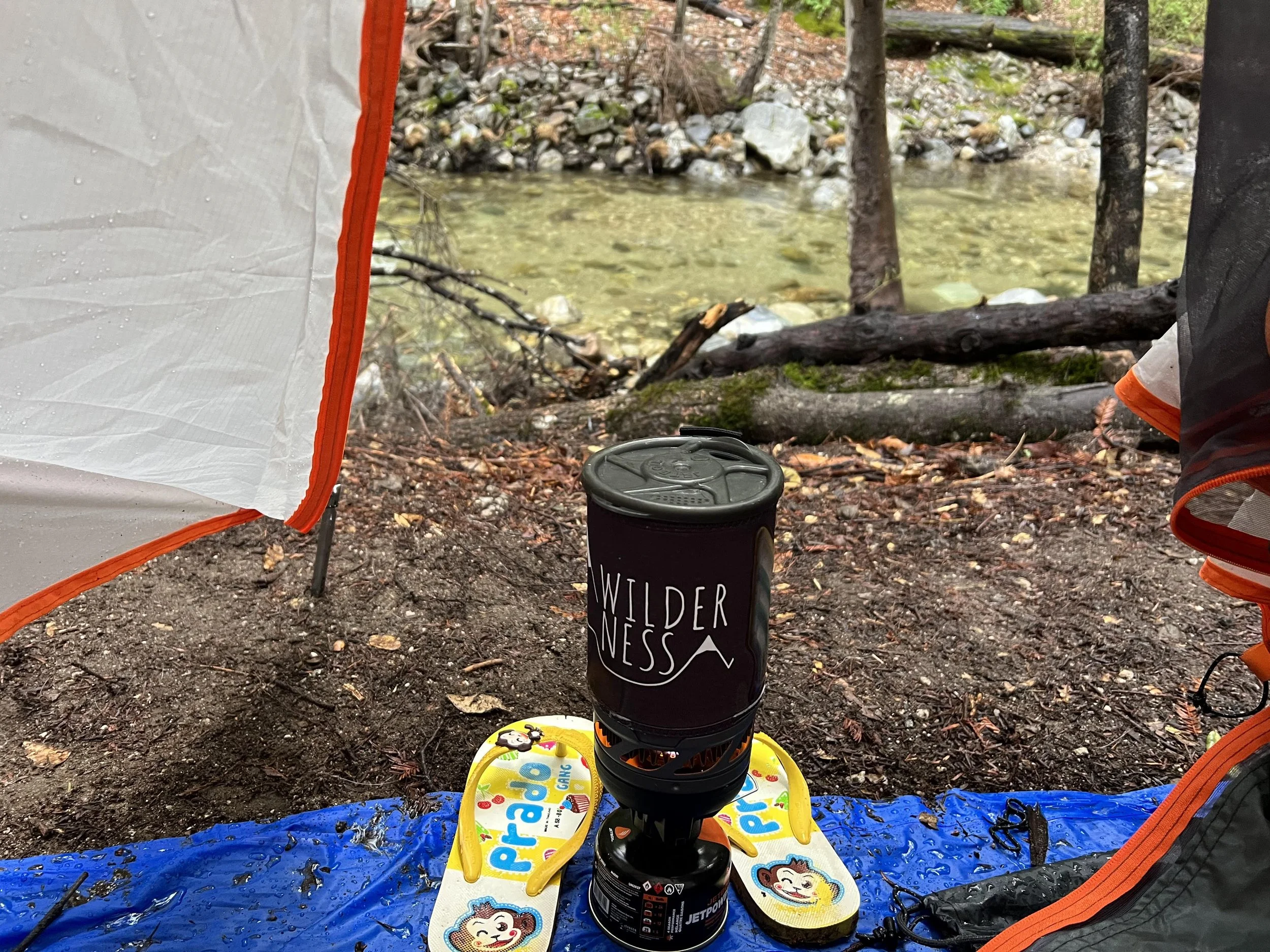
Details: Even if you aren't building a wood fire, you must carry a valid California Campfire Permit to operate a backcountry gas stove (like a Jetboil or MSR PocketRocket).
How to get it: You can fill it out online in 2 minutes at readyforwildfire.org or preventwildfiresca.org, print/download it to your phone, and keep it in your pack.
Note on Fire Bans: Wood campfires are frequently banned in Los Padres National Forest depending on the season, so using a camp stove with this permit is usually your only option.
3. Trailhead Parking Fee
If you park your car at the Big Sur Station trailhead, expect to pay $10/day for overnight parking. You can pay at the kiosk or the self-serve "iron ranger" box when you arrive.