The most underrated backpacking trail in California
Why the Jennie and Weaver Lakes Loop is California’s Most Underrated Backpacking Trip
If you’ve ever tried to book a backpacking trip in the Sierra Nevada, you know the drill: waking up at 6:59 AM, refreshing a recreation website, and watching permits disappear in four seconds flat.
But what if I told you there’s a stunning, high-alpine loop tucked right next to Kings Canyon National Park where you never need a permit in advance, gets you alpine views without agonizing elevation, and features two pristine lakes?
Welcome to the Jennie and Weaver Lakes Loop in the Jennie Lakes Wilderness. It is, hands down, the most underrated backpacking trail in California.
The Fast Facts
Before we dive into why this trail rules, here is the quick breakdown of what to expect from the standard loop starting at the Big Meadows Trailhead:
Distance: ~16 miles (Full Loop)
Elevation Gain: ~3,700 feet total
Max Elevation: ~9,200 feet (Perfect alpine vibes without the oxygen-deprived struggle of 11,000+ feet)
Difficulty: Moderate
Permits: Free, self-issue at the trailhead kiosk. No online lottery required!
Why This Trail Belongs on Your Bucket List
1. No Advanced Permit Stress
Because this loop sits inside a US Forest Service Wilderness area rather than the strict national park boundaries next door, you don’t have to plan your life six months in advance. You simply rock up to the trailhead, fill out a paper slip at the kiosk, attach it to your pack, and hit the dirt. It is the ultimate spontaneous weekend getaway.
2. Two Lakes, One Trip
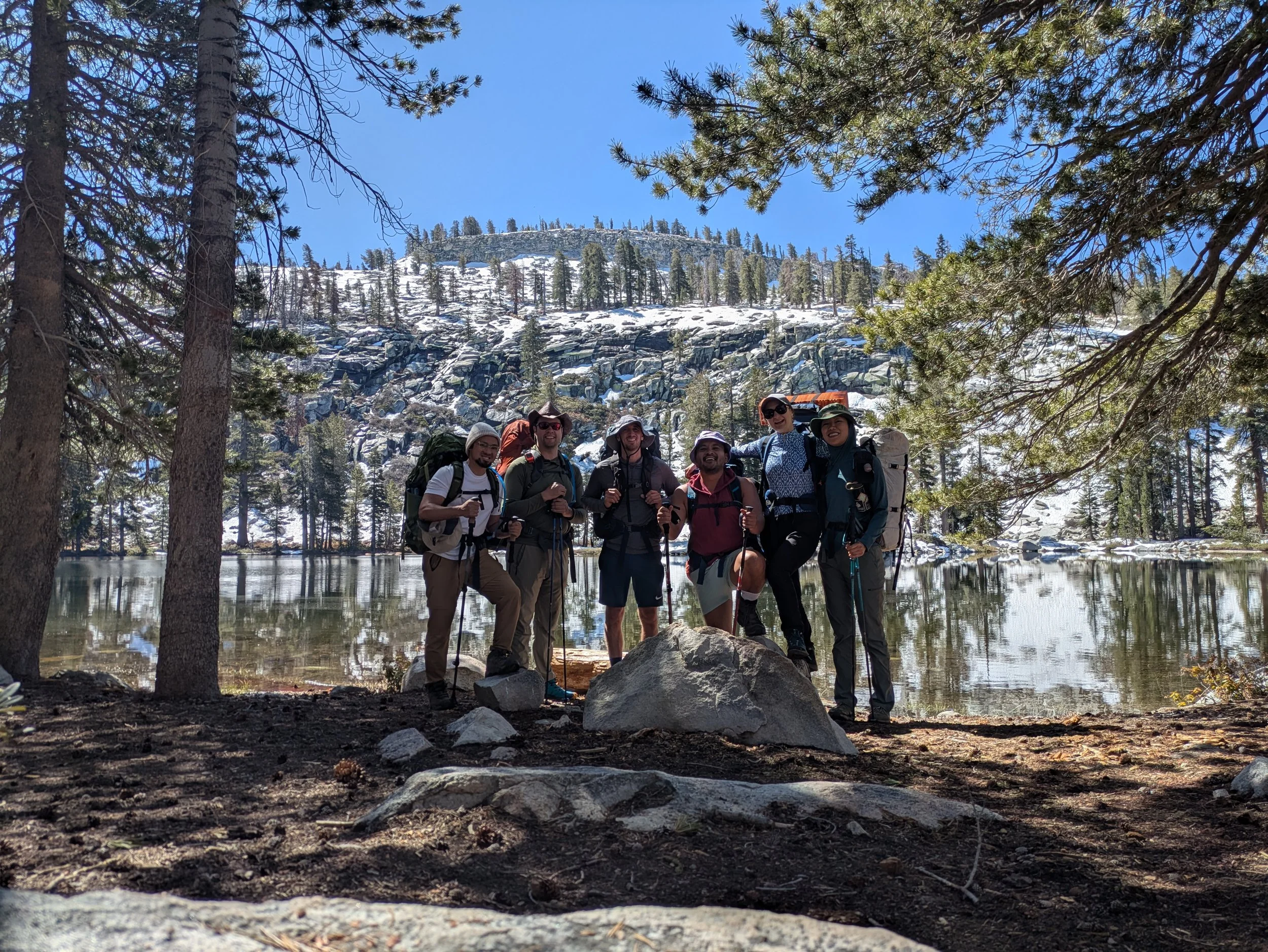
Many backpacking trails make you hike miles for a single water feature. On this loop, you get two distinct, gorgeous alpine lakes to camp at:
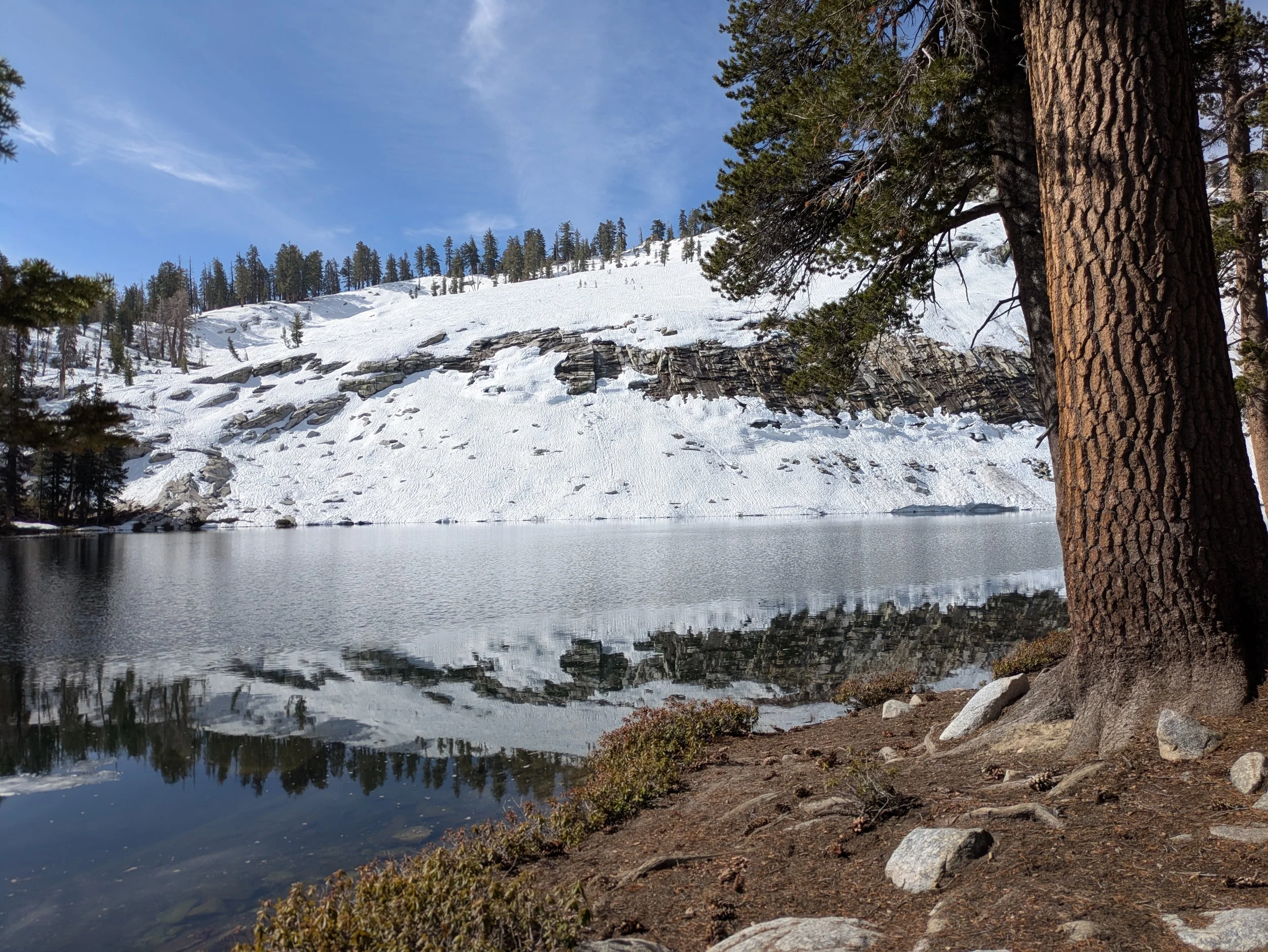
Weaver Lake: A pristine, boulder-lined lake that comes up quickly (just under 3 miles from the trailhead)—perfect if you want an easy first night or are backpacking with beginners.
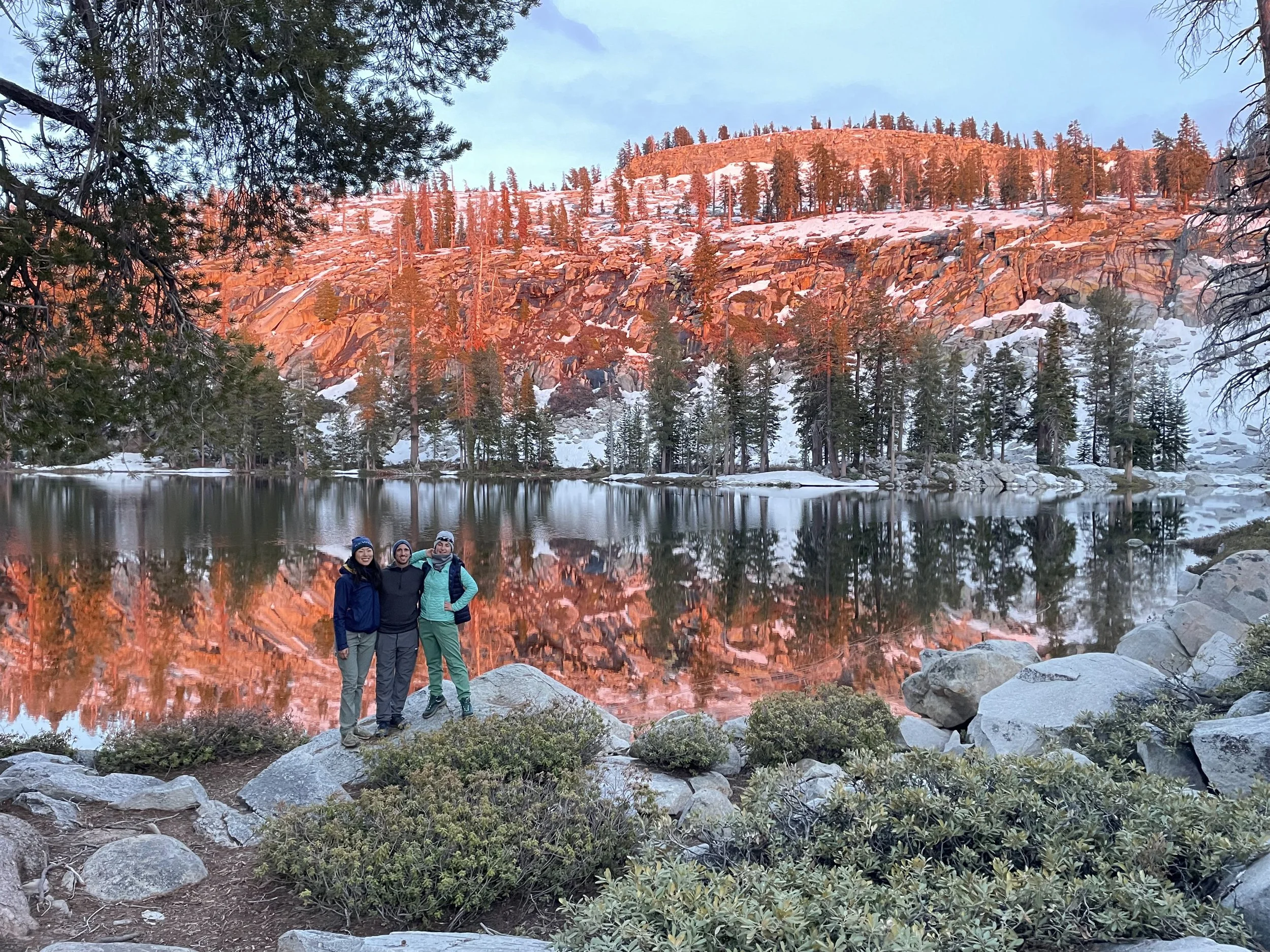
Jennie Lake: The crown jewel. Tucked under a massive granite peak, it offers incredible sunset reflections and plenty of spacious, established campsites scattered in the trees.
3. High Alpine Beauty (Minus the Oxygen Tank)
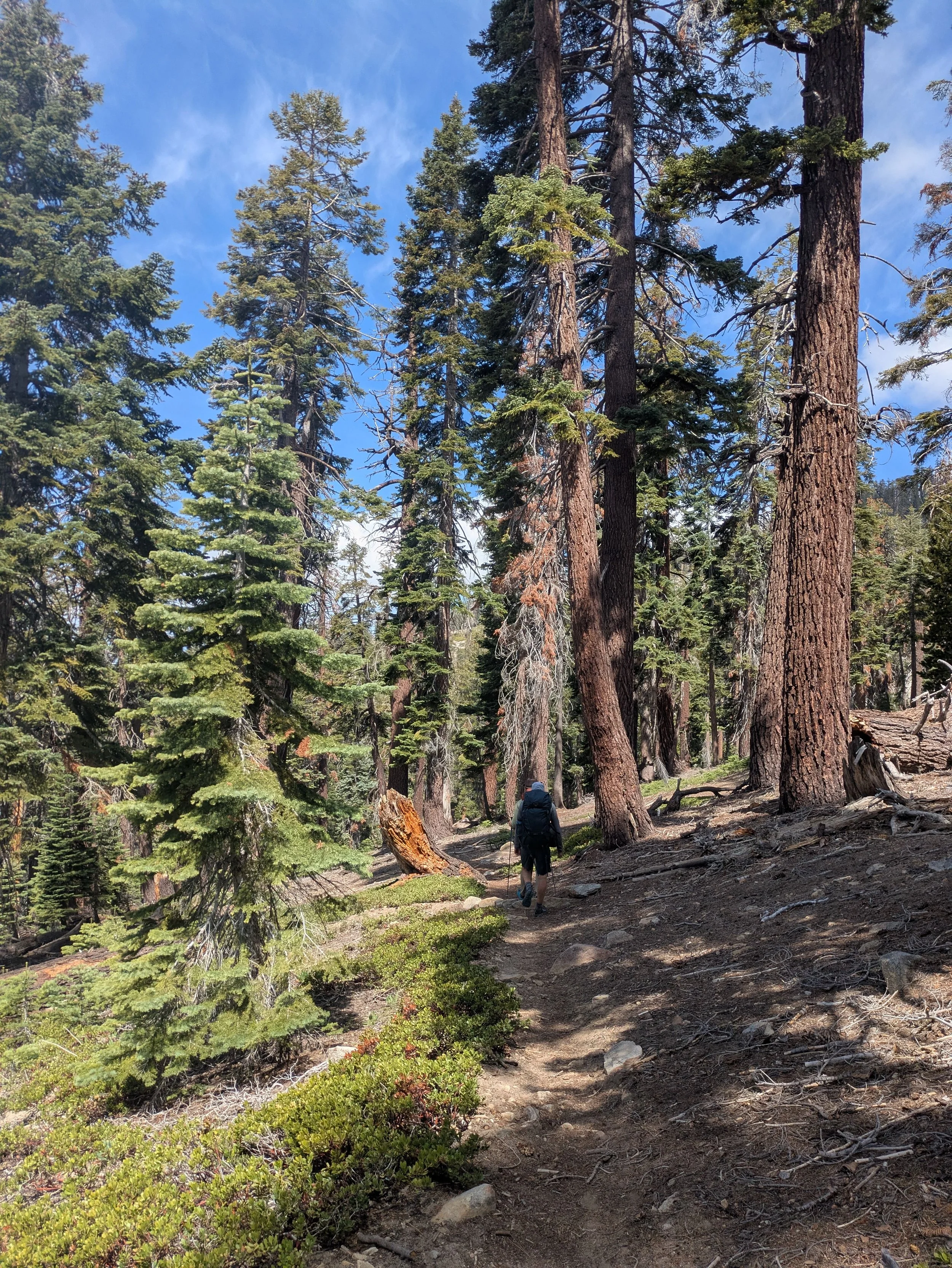
A lot of classic Sierra lakes require climbing up to 10,000 or 11,000 feet, which can leave you nursing an altitude headache. The Jennie Lakes Wilderness gives you the classic "High Sierra" aesthetic—massive granite walls, sweeping valley views, and dense pine forests—but tops out around 9,200 feet at Poop Out Pass. You get all the reward with a lot less gasping for air.
Quick Tips for Your Trip
Where to start: Set your GPS for the Big Meadows Trailhead (just off the Generals Highway between Sequoia and Kings Canyon). The dirt road to the trailhead is accessible for most standard vehicles, just take it slow.
Which direction to hike? Going clockwise (heading to Weaver Lake first) gives you a gentler climb on day one. And Weaver lake is closer if you are leaving after work or had to drive half a day to get to the Trailhead. Going counter-clockwise tackles the bigger elevation up to Jennie Lake upfront.
Bear Safety: You are in active black bear country. Bring a hard-sided bear canister to store your food, trash, and scented items.
Water: Water is abundant at both lakes and along several creek crossings, but always filter or treat it before drinking.
If you’re tired of fighting the crowds for Yosemite or Whitney permits, give the Jennie Lakes Wilderness a shot. It’s quiet, it’s beautiful, and it reminds you what backpacking is supposed to be about: leaving the stress behind.
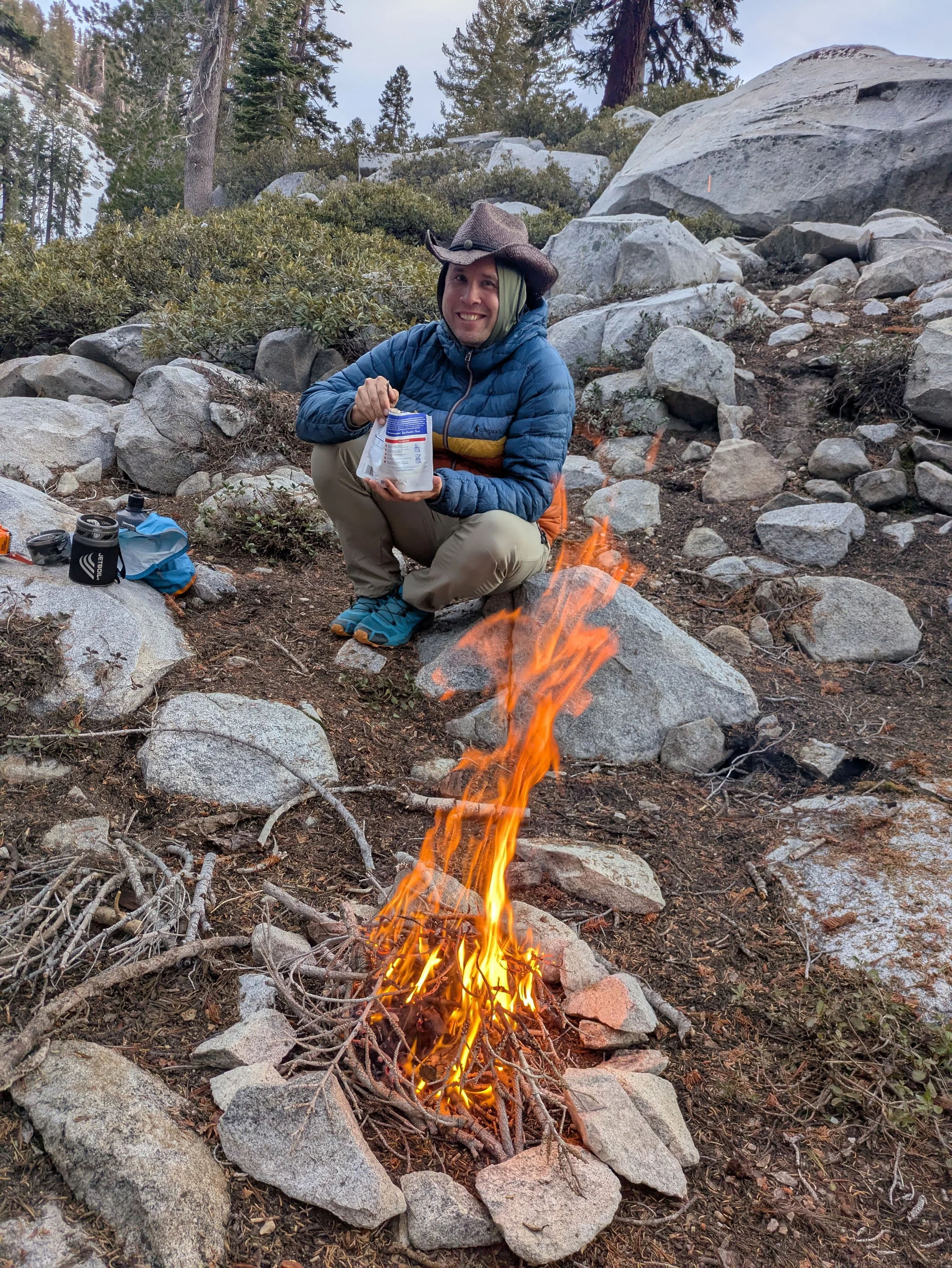
Can I have a camp fire? Yes, but with specific conditions and rules.
Because Jennie Lakes Wilderness is managed by the US Forest Service (Sequoia National Forest) rather than the National Park Service next door, campfires are allowed in the backcountry—if conditions permit.
1. You Need a Free Permit First
To have a wood campfire or even use a gas camp stove in the California backcountry, you must carry a California Campfire Permit.
Cost: Free
How to get it: You can fill it out and print it online at readyforwildfire.org after watching a short safety video, or pick one up in person at any Forest Service or Ranger Station.
2. Basic Campfire Rules in Jennie Lakes
Setback: Fires must be built at least 100 feet away from trails, streams, and lakeshores.
Fire Rings: Always use existing rock fire rings rather than building new ones to minimize ground scarring.
Firewood: Only gather dead and downed wood that is less than 3 inches in diameter (if you can't break it by hand, leave it). Never cut live branches or trees.
Extinguishing: Douse it with water, stir the ashes, and douse again until it is completely cold to the touch before leaving or sleeping.
⚠️ Critical Check Before You Go: Fire restrictions change throughout the season based on wildfire risk. During late summer and dry stretches, the Forest Service frequently issues Stage 1 or Stage 2 fire bans, which prohibit wood fires entirely (though pressurized gas stoves with shut-off valves are usually still allowed with your permit).
Always call the Hume Lake Ranger District (559-338-2251) or check the Sequoia National Forest website right before heading out to verify current fire restrictions.
Stats:
Day 1: Drive + Backpack from Big Meadows Trailhead to Weaver Lake. 3.8 miles, 1200 ft+ elevation gain.
Day 2: Weaver Lake to Jennie Lake. 11.3 miles. 2500ft + elevation again.
Day 3: Jennie Lake to Big Meadows Trailhead: 10 miles. 2000ft- elevation loss.
Last but not least…Early Season vs. Mid-Summer: Choose Your Adventure Wisely
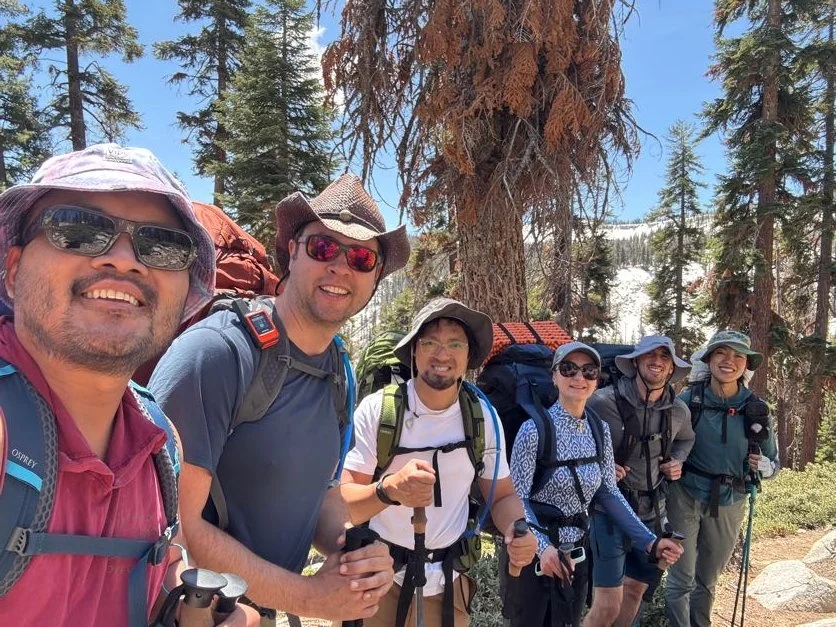
Timing matters on this loop, and the transformation between late spring and high summer is night and day. Having done this trail over both Memorial Day weekend at the end of May and Fourth of July weekend, I can tell you the scenery is completely different depending on when you step foot on the trail:
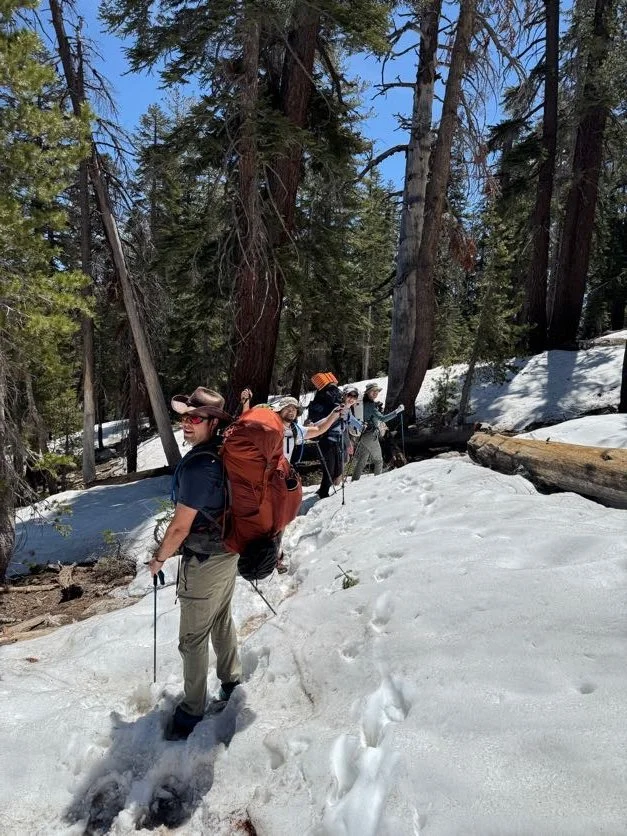
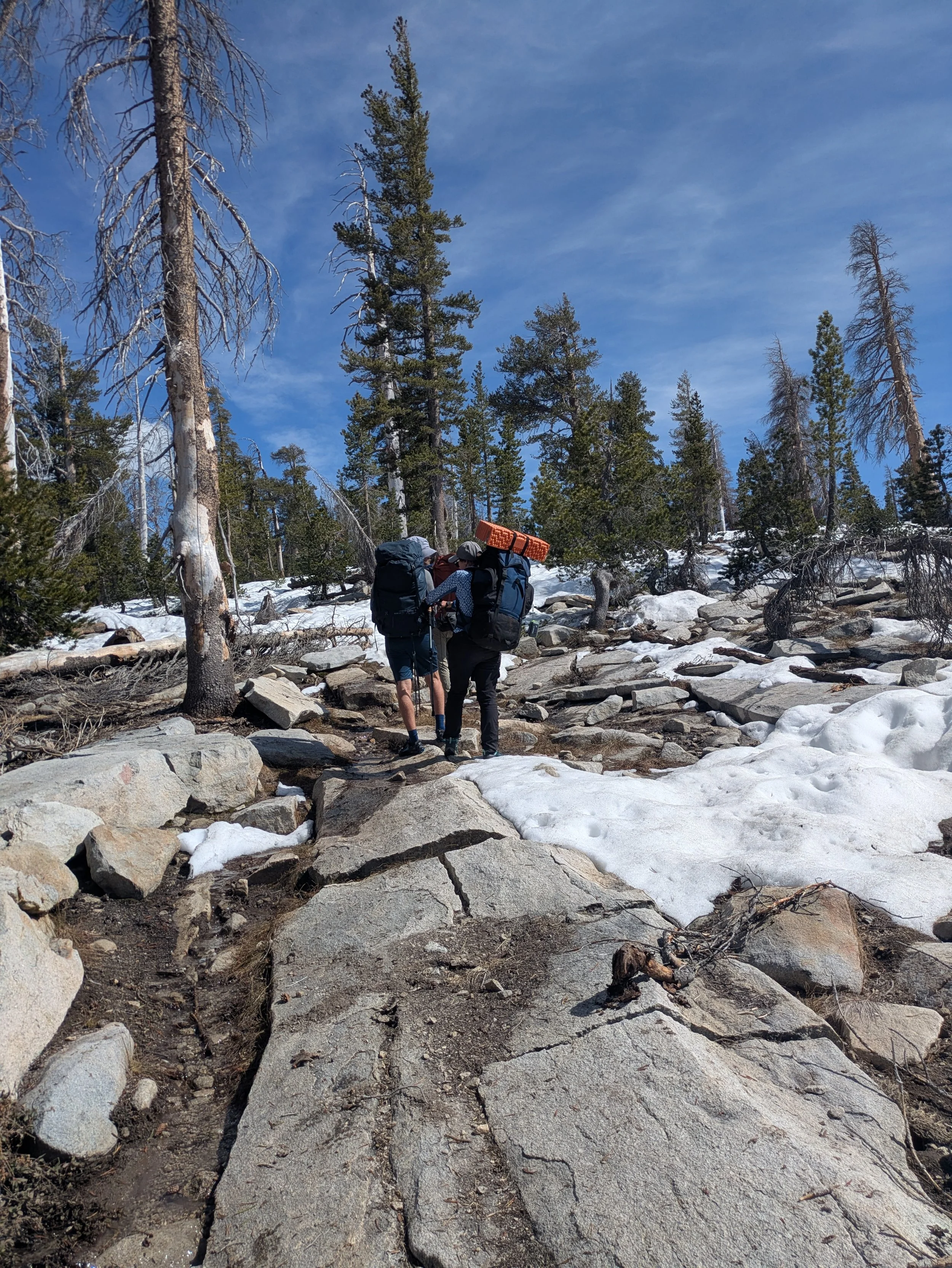
Late May (Memorial Day): Expect a true early-season Sierra adventure. You’ll hit significant snowpack—especially on the higher stretches between Weaver and Jennie Lakes and over Poop Out Pass. The trail can be buried in spots, requiring basic route-finding skills, traction, and waterproof gear. But the payoff? Stunning snowy peaks, partially frozen alpine lakes, and zero crowds.
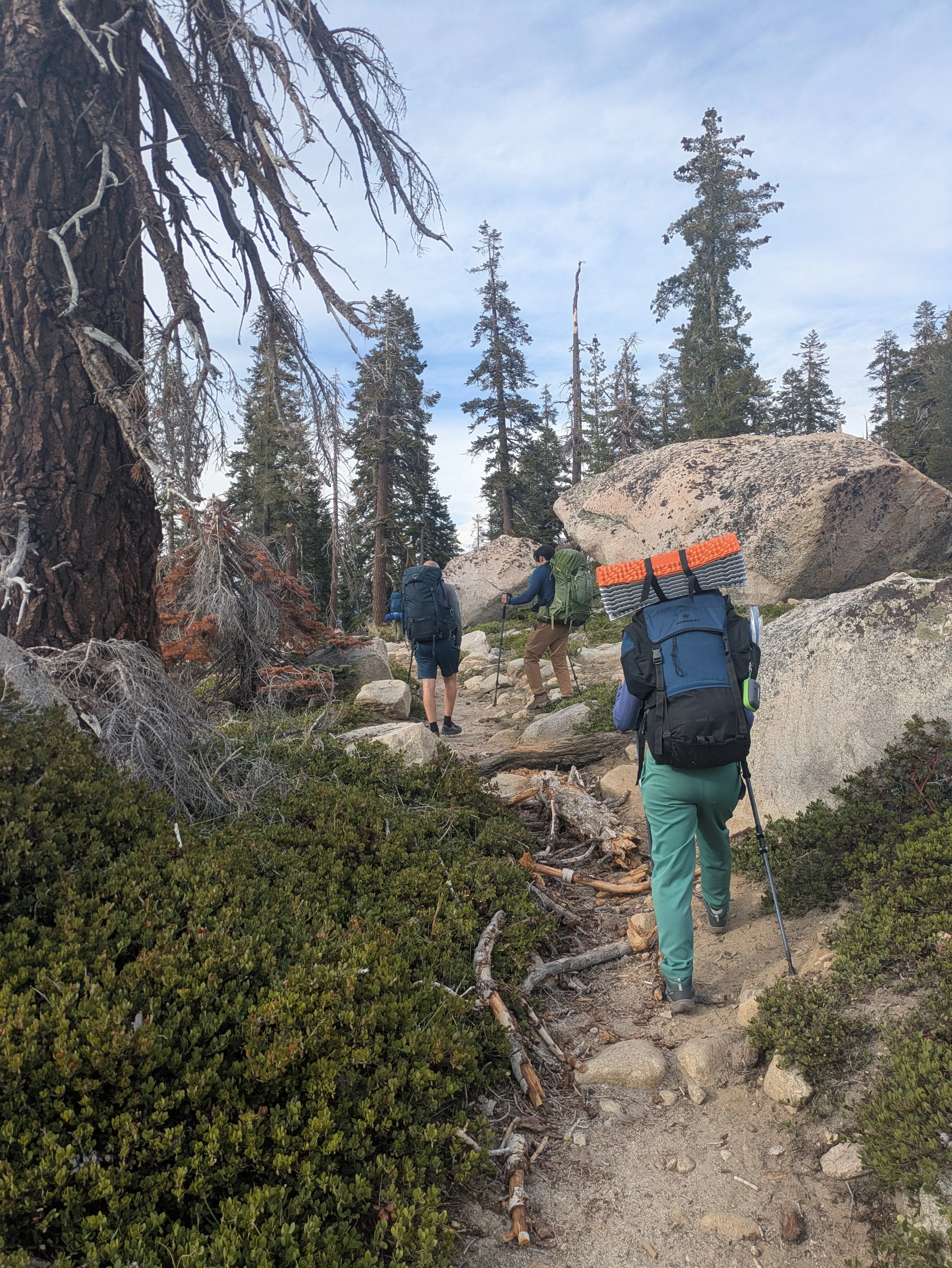
Early July (Fourth of July): By July, the snow has melted away, uncovering clear singletrack, lush greenery, and blooming wildflowers. The lakes are pristine and perfect for a chilly plunge, but you’ll definitely share the trail with a few more fellow hikers looking for a summer escape.
Both seasons are gorgeous in their own right, but pick the conditions that fit your comfort level with snow travel!